Get your household ready for the next outage, storm or wildfire.
Official FEMA and CDC guidance explained in plain English, live hazard data for your state, and price-checked gear comparisons that tell you when not to buy.
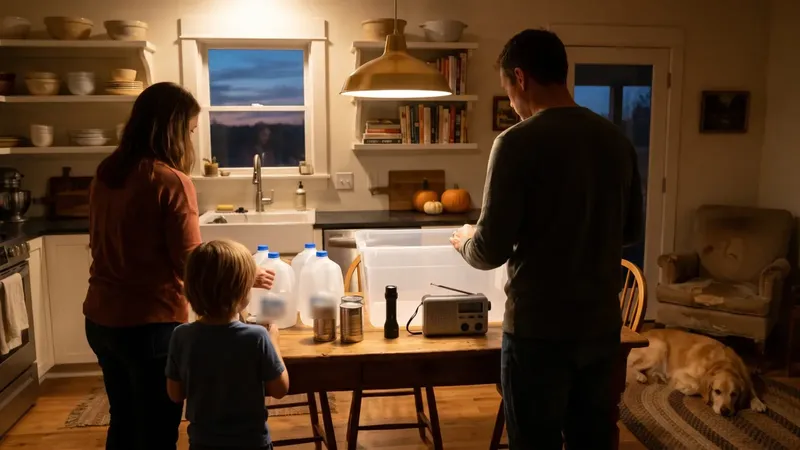 Start hereReady.gov's kit list, sized to your household →
What to prepare for where you live
Your state's biggest hazards from FEMA's National Risk Index, its live weather alerts and its emergency agency.
Headlines, checked
All news and fact checks →
What to be ready for this season
Hazards differ by region. These are the ones on the calendar now.
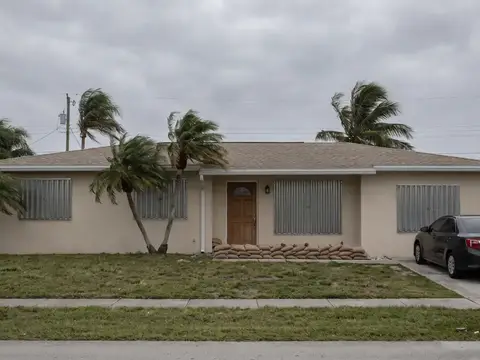
Atlantic hurricane season
The season's last weeks still bring storms. Have water, food and a way to get alerts with the power off before a watch is issued, not after.
Read the guide →Power stations compared →Source: NOAA National Hurricane Center
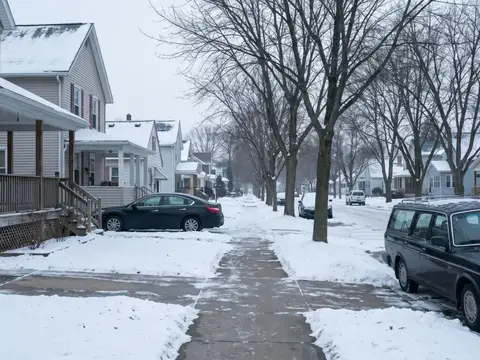
Ice storms and power outages
Ice and heavy snow bring down lines and can leave homes without heat for days. Plan safe backup heat and light, and never run a generator indoors.
Read the guide →Home backup batteries compared →Source: Ready.gov, Winter Weather
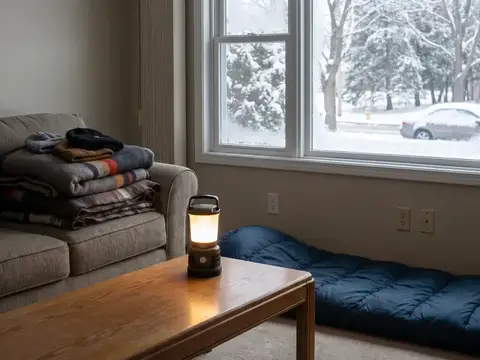
Staying warm without power
CDC says to dress in layers and stay dry, keep as much heat inside as you can, and never turn on the stove to heat your home.
Read the guide →Heated vests and jackets compared →Source: CDC, Winter weather
Ready for winter
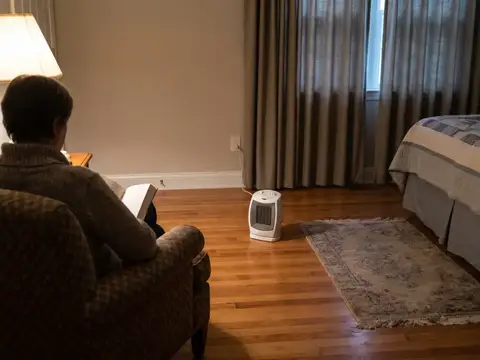
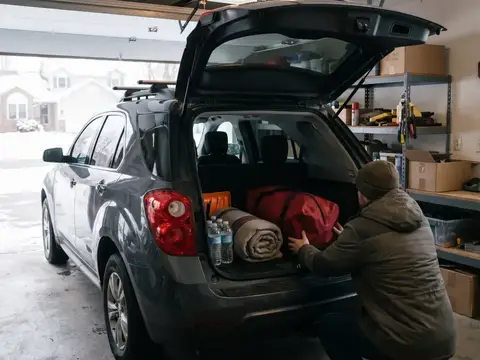
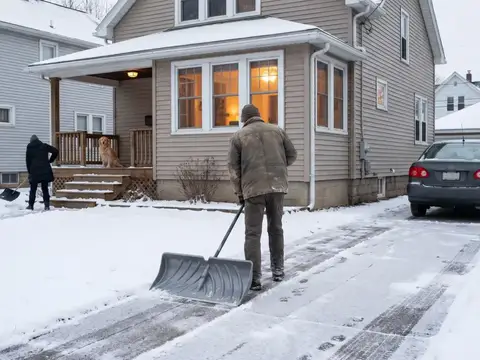
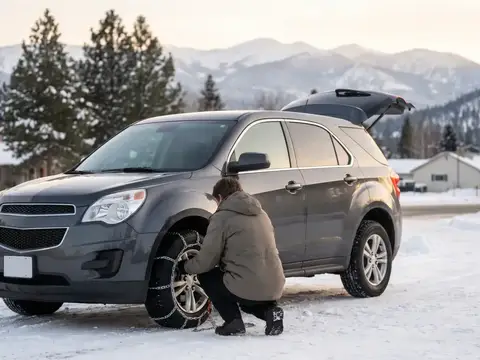
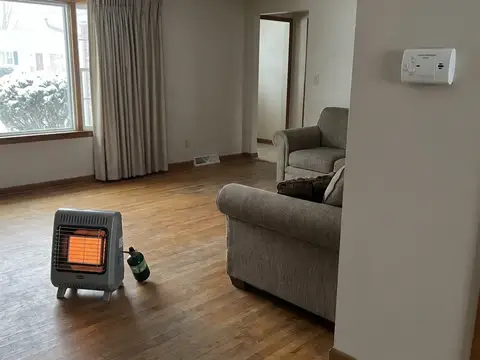
Heat, the car and the driveway: the winter gear we've compared, with the safety features that matter.

Start here
Plain-English guides built on Ready.gov, CDC and NWS advice.
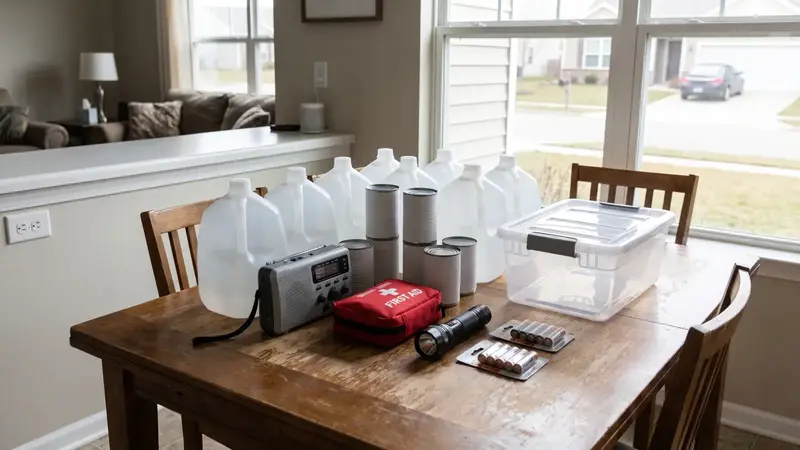 Emergency kitsEmergency kit checklist: what to include, how much to keep and where to store itA plain-English emergency kit checklist built on Ready.gov's basic kit and extra items, with how many days of supplies to keep and how to maintain your kit.
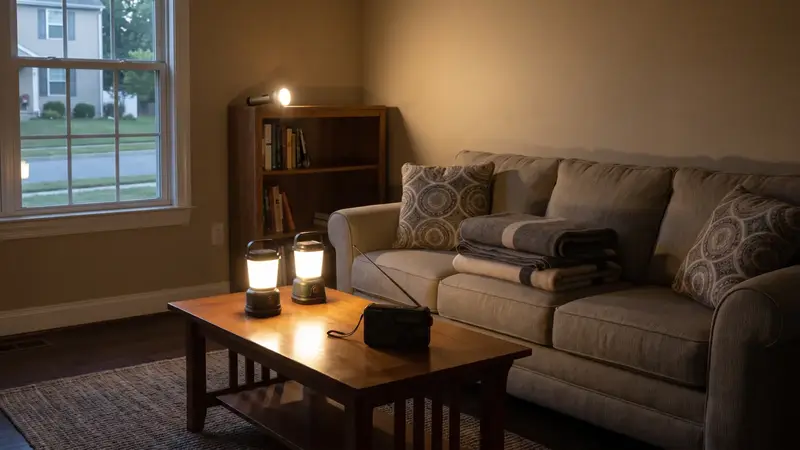 Power outagesPower outage checklist: what to do before, during and afterA calm power outage checklist from Ready.gov and CDC: what to prepare, how to protect food, medicines and medical devices, and what to do when power returns.
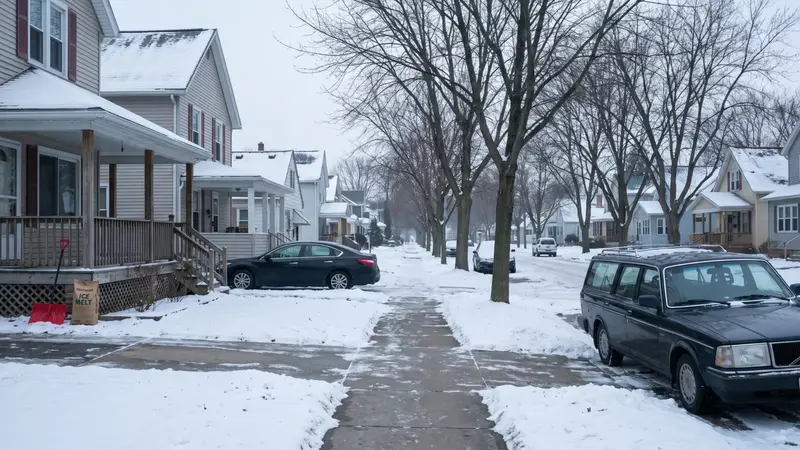 Winter stormsWinter storm preparedness checklist: before, during and afterA plain-English winter storm checklist: watch vs warning, home prep, supplies, staying warm, shoveling and carbon monoxide cautions, sourced to official pages.
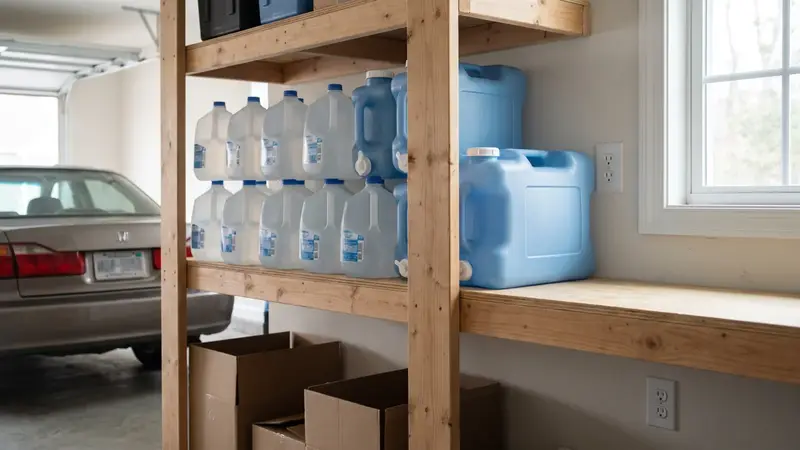 WaterHow much water to store for an emergency: per person, per pet and for how longHow much water to store for an emergency: 1 gallon per person per day, pets, which containers to use, when to replace stored water and hidden sources at home.
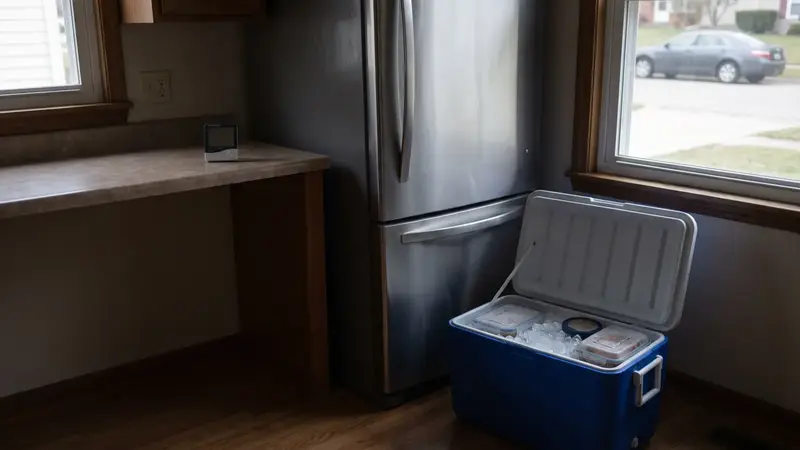 Power outagesFood safety in a power outage: how long food lasts and what to throw outHow long food stays safe in the fridge and freezer without power, what to throw out, and when you can refreeze, based on CDC and Ready.gov guidance.
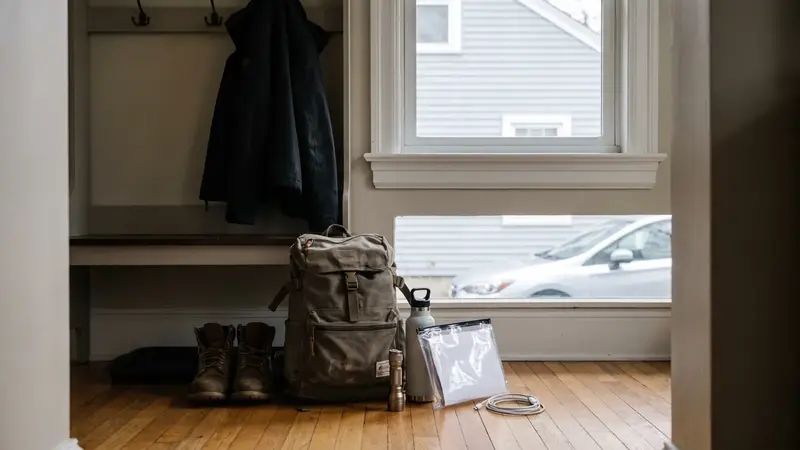 EvacuationGo-bag checklist: what to pack in case you have to evacuateWhat to pack in a go-bag: documents, medications, cash, chargers, per-person items, kids and pets, and how it differs from a home kit. Official sources.
Best gear, compared and price-checked
Every comparison is built from tracked prices and verified specs, with an honest note on who shouldn't buy.
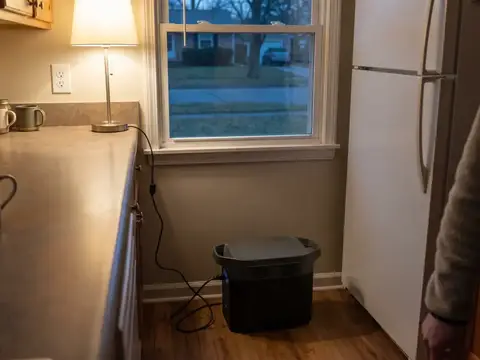 Power stationsSized to what you need to run
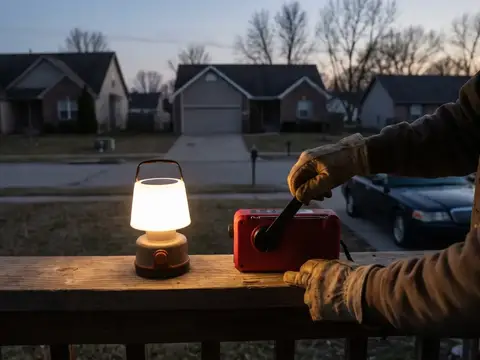 Hand crank radiosCrank, solar and phone charging
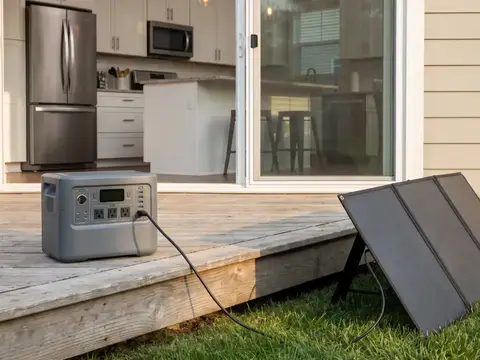 Solar generatorsStation and panel kits, small to large
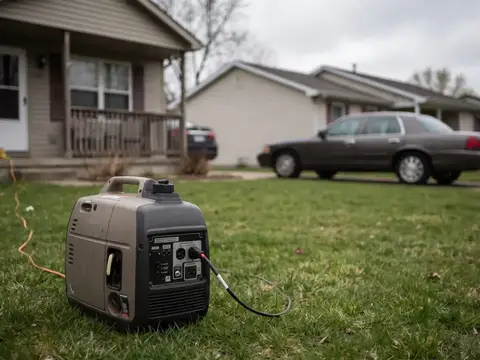 GeneratorsInverter models, and the safety rules
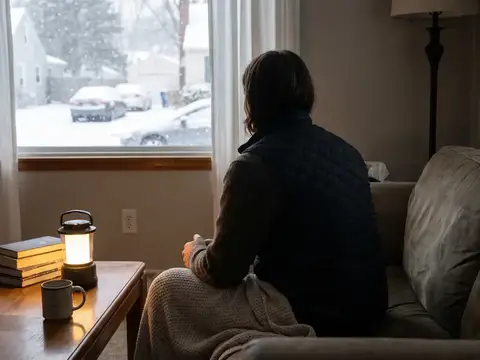 Heated vests and jacketsWarmth with no fuel or fumes
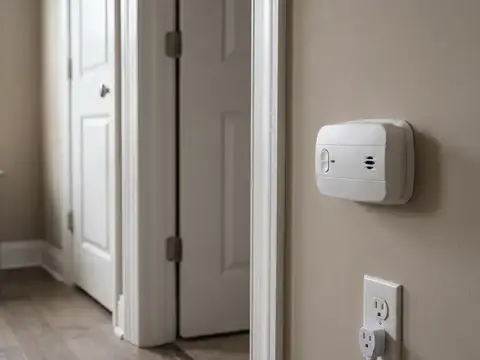 Carbon monoxide alarmsBattery and backup models
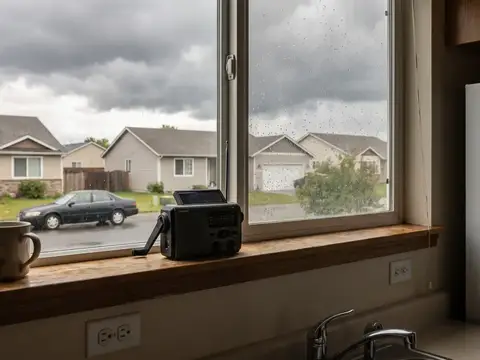 Weather radiosNOAA alert radios for home
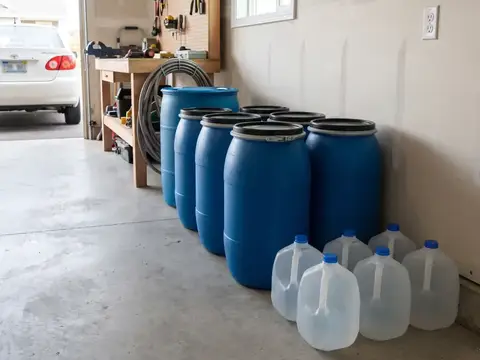 Water storageA gallon a person a day, stored
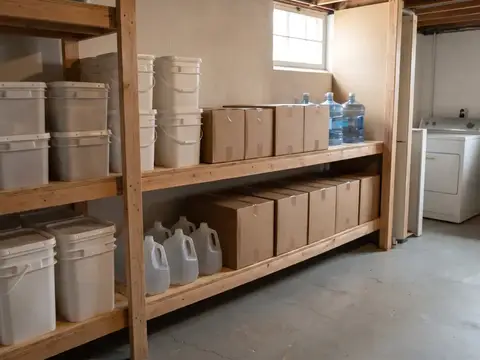 Emergency food kitsCost per 2,000-calorie day, compared
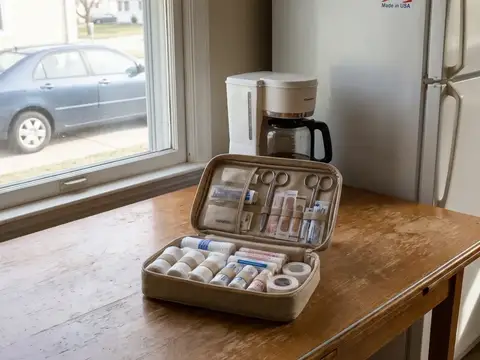 First aid kitsHome, car and go-bag sizes
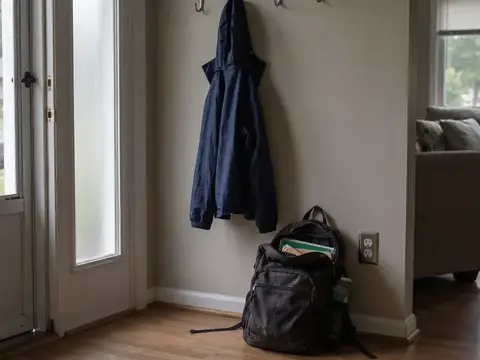 Go-bagsReady-made kits, and what they miss
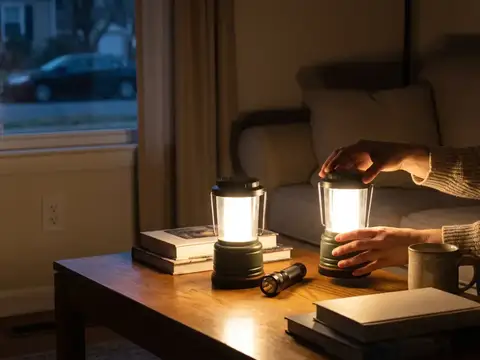 Flashlights and lanternsRoom, hands-free and outdoor light
Build a kit sized to your household
Ready.gov's checklist, with the water, food and extras worked out for who lives with you.
Reviews
All reviews →Jackery Explorer 1000 v2★ 4.5 / 5The all-rounder for a fridge-and-phones outageEcoFlow DELTA 3 Max★ 4.5 / 5Over 2 kWh for a fridge and freezer through a long outageEcoFlow RIVER 2 Pro★ 4 / 5A light mid-size stationAnker SOLIX C1000★ 4 / 5Higher output than most 1 kWh unitsHonda EU2200i★ 4.5 / 5The benchmark quiet inverter generatorChampion 2500W Dual Fuel★ 4.5 / 5Runs on propane too
 The basic kit
Start where Ready.gov starts
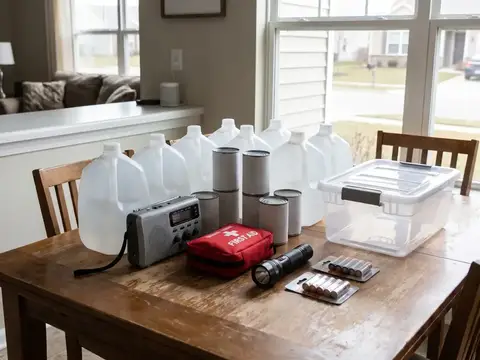
FEMA's Ready.gov says you may need to get by on your own for several days after an emergency. Its basic kit is the right place to start, then add what your household needs: medicines, pet food, baby supplies.
Size it to your household →Source: Ready.gov, Build A Kit
- Water: one gallon per person per day, for several days
- Food: at least a several-day supply of non-perishable food
- Battery-powered or hand-crank radio, and a NOAA Weather Radio with tone alert
- Flashlight
- First aid kit
- Extra batteries
- Whistle to signal for help
- Dust mask, plastic sheeting, scissors and duct tape
- Wrench or pliers to turn off utilities
- Manual can opener
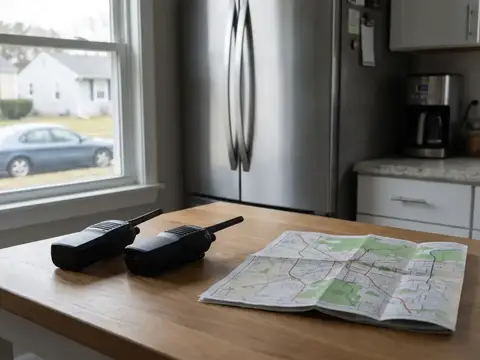
- Local maps
- Cell phone with chargers and a backup battery
Food storage and preserving
Past the official two weeks: a pantry you rotate, and food you put up yourself.
Power and staying in touch
For long outages and winters: backup power sized to what you run, and ways to talk when phones are down.
Hazards, alerts and outage maps by state
FEMA's biggest natural hazards, live National Weather Service alerts and the main utilities' outage maps for every state.
Official sources first
Guidance comes from FEMA, the CDC, the EPA and the National Weather Service, linked on every page.
Prices checked on a schedule
Gear prices are tracked automatically, so a deal is a real deal and the cheapest place to buy wins.
Honest about when not to buy
Every comparison says who shouldn't buy. When two products are close, commission can decide which one we pick; a clearly better product always wins.
A calm weekly briefing
What's coming, what to check at home, and real price drops on the gear that matters. One email a week.