Extreme heat safety: heat exhaustion vs heat stroke and how to stay cool in a power outage
Heat exhaustion vs heat stroke signs and what to do, why a fan is not enough when it is very hot, heat alert terms, and how to cope with a summer power outage.
By PreparedStates editors · Updated October 22, 2026 · Sourced to Ready.gov, the CDC and the National Weather Service
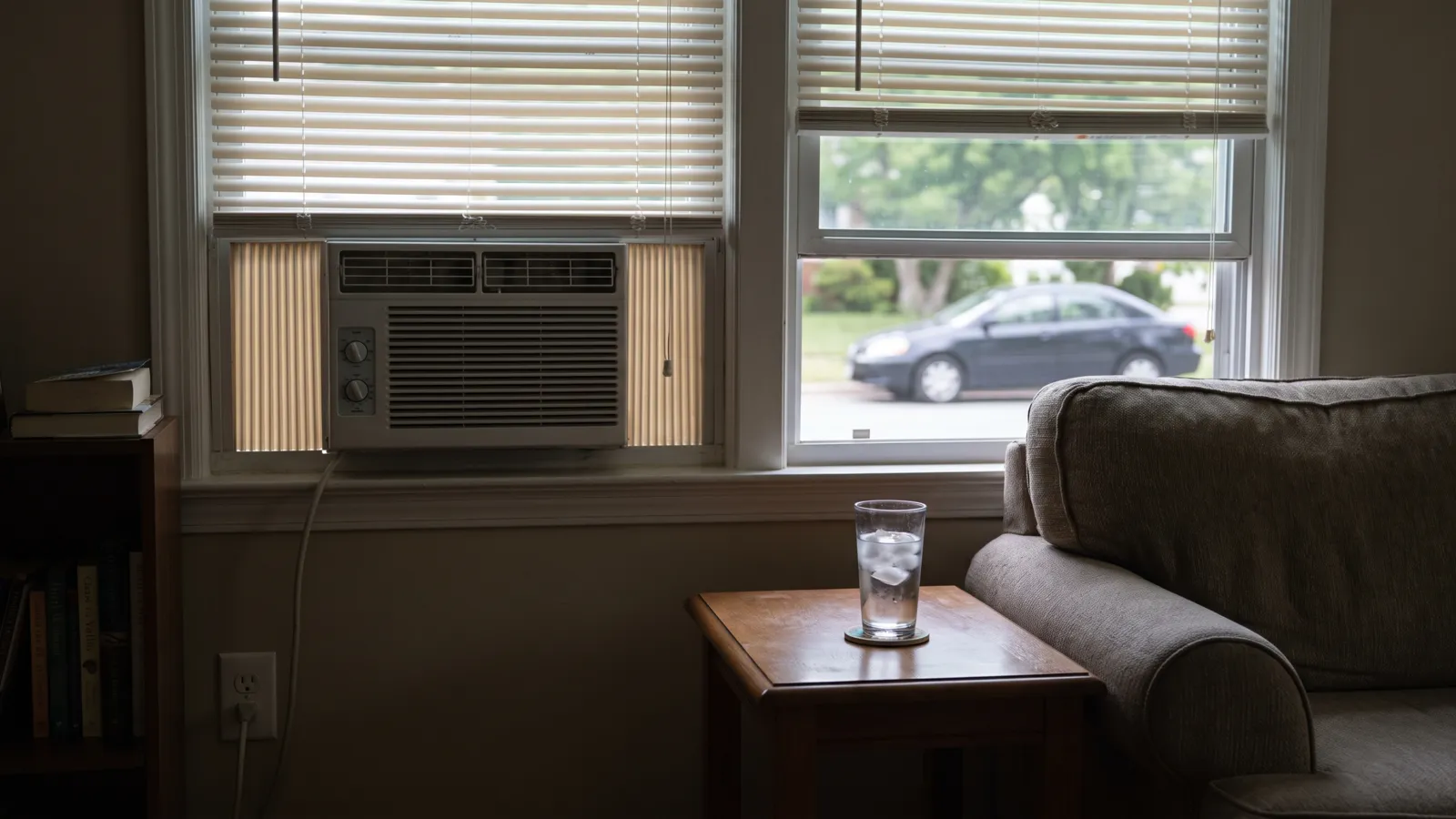
- Heat stroke is an emergency. The CDC lists a body temperature of 103°F or higher and says to call 911 right away.
- Heat exhaustion signs include heavy sweating, cold, pale, clammy skin and a fast, weak pulse. Move to a cool place and sip water.
- Do not rely on a fan as your primary cooling device. Above 90°F indoors, the CDC says a fan can increase body temperature.
- Never leave people or pets in a closed car on a warm day. If your home has no air conditioning, find a cooling center.
- A Heat Advisory means dangerous heat below warning criteria. An Extreme Heat Warning means extremely dangerous heat conditions are expected or occurring.
What counts as extreme heat, and who is most at risk
Ready.gov defines extreme heat as a period of high heat and humidity with temperatures above 90 degrees for at least two to three days. It says extreme heat is responsible for the highest number of annual deaths among all weather-related hazards. Humidity increases the feeling of heat.
Ready.gov says older adults, children and people with certain illnesses and chronic conditions are at greater risk. The CDC also names people with asthma, people with heart disease, pregnant women, infants and young children, and people working or exercising outside. It adds that older adults are more likely to take prescription medicines that affect the body's ability to control its temperature or sweat.
Ready.gov notes that people with spinal cord injuries may not be able to cool their body through sweating. People with cognitive, intellectual or developmental disabilities may have trouble understanding and explaining how the heat affects them. If you have a support network, ask them to check in with you regularly.
Heat advisory, extreme heat warning and HeatRisk: what the terms mean
The National Weather Service says each local forecast office issues some or all of its heat-related products as conditions warrant. A Heat Advisory is issued for dangerous heat conditions that are not expected to reach warning criteria. An Extreme Heat Watch means "Be Prepared": conditions are favorable for an extreme heat event, but its occurrence and timing is still uncertain. An Extreme Heat Warning means "Take Action": extremely dangerous heat conditions are expected or occurring.
During an Extreme Heat Warning, the NWS says to avoid outdoor activities, especially during the heat of the day, and to stay indoors in an air-conditioned space as much as possible, including overnight. During an Extreme Heat Watch, it says that if you do not have air conditioning you should locate the nearest cooling shelter or discuss staying with nearby family or friends who have air conditioning.
NWS HeatRisk is a separate forecast that is supplementary to official watches, warnings and advisories, and the NWS labels its HeatRisk page experimental. It rates the risk of heat-related impacts from 0 to 4: green (0) is little to no risk, yellow (1) minor, orange (2) moderate, red (3) major and magenta (4) extreme. The CDC says you can enter your zip code on its HeatRisk Dashboard to see the heat risk forecast in your area.
Heat exhaustion: signs and what to do
Heat exhaustion is one of the heat-related illnesses in the CDC's warning signs flyer. If you or someone else has the signs below, the CDC says to move to a cool place, loosen your clothes, put cool, wet cloths on your body or take a cool bath, and sip water.
The CDC says to get medical help right away if you are throwing up, your symptoms get worse, or your symptoms last longer than 1 hour. Ready.gov gives similar advice for heat cramps or heat exhaustion: go to a cooler location, remove excess clothing, take sips of sports drinks or water, and call your healthcare provider if symptoms get worse or last more than an hour.
- Heavy sweating
- Cold, pale, and clammy skin
- Fast, weak pulse
- Nausea or vomiting
- Muscle cramps
- Tiredness or weakness
- Dizziness
- Headache
- Fainting (passing out)
Heat stroke: signs and what to do
Heat stroke is a medical emergency. The CDC says to call 911 right away if someone has the signs below.
While you wait for help, the CDC says to move the person to a cooler place and help lower their temperature with cool cloths or a cool bath. It also says not to give the person anything to drink. Ready.gov adds that if possible you can place a cold, wet cloth or ice pack on the head, neck, armpits and groin.
The CDC calls heat stroke the most serious heat illness. It says body temperature may rise to 106°F or higher within 10 to 15 minutes, and that heat stroke can cause death or permanent disability if emergency care is not given.
- High body temperature (103°F or higher)
- Hot, red, dry, or damp skin
- Fast, strong pulse
- Headache
- Dizziness
- Nausea
- Confusion
- Losing consciousness (passing out)
Staying cool at home: fans, cooling centers and daily habits
Ready.gov says not to rely on a fan as your primary cooling device. Fans create air flow and a false sense of comfort, but do not reduce body temperature or prevent heat-related illnesses. The CDC says to use fans only if indoor temperatures are less than 90°F, because above 90°F a fan can increase body temperature. That makes a battery-powered fan a comfort item for cooler rooms, not a cooling plan.
For real cooling, use air conditioning or find a place that has it. The CDC says you can find one by dialing 2-1-1 or by contacting your local health department or emergency management agency, and Ready.gov suggests places such as libraries and shopping malls. At home, take cool showers or baths, wear loose, lightweight, light-colored clothing, and use your oven less to help reduce the temperature in your home.
Drink plenty of fluids and carry a water bottle. The CDC says that light yellow or clear urine usually means you are drinking enough water. Cover windows with drapes or shades, and avoid high-energy activities or outdoor work during midday heat if possible.
Heat and a power outage
Ready.gov says heat waves may cause you to lose power, and the CDC says heat can cause power outages. If you lose air conditioning, the CDC says to contact your local health department or locate an air-conditioned shelter, and that even a few hours spent in a shopping mall or public library can help. Ready.gov also says to check with local officials about heating and cooling locations open near you.
Keep refrigerators and freezers closed, and use coolers with ice if necessary. Ready.gov says a refrigerator keeps food cold for about four hours and a full freezer for about 48 hours, and to throw out food if the temperature is 40 degrees or higher. Our food safety in a power outage guide has the details.
The CDC says to have a plan for what to do with refrigerated medications and electronic medical devices, and not to stop or change your medicines until you talk to your doctor. Our guide to medical devices in a power outage covers that, and our power outage checklist covers the rest.
Never leave people or pets in a car, and check on others
Ready.gov says never to leave people or pets in a closed car on a warm day. The National Weather Service says hyperthermia can occur even on a mild day with temperatures in the 70s, and that leaving the windows slightly open does not significantly decrease the heating rate. The CDC says temperatures inside a car can rise almost 20 degrees Fahrenheit within the first 10 minutes, even with a window cracked open.
When you leave your car, check to be sure everyone is out of it, and do not overlook any children who have fallen asleep. The NWS also says to always lock car doors and trunks, even at home, and to keep keys out of children's reach.
Check on family members, older adults and neighbors. The CDC's caretaker checklist says to visit the people in your care at least twice a day. If your pets are outside, Ready.gov says to make sure they have plenty of cool water and access to comfortable shade, and that asphalt and dark pavement can be very hot to a pet's feet. See our pets emergency kit guide.
Ready.gov says fans create a false sense of comfort and do not reduce body temperature or prevent heat-related illnesses. The CDC says to use fans only if indoor temperatures are less than 90°F, because above 90°F a fan can increase body temperature. The National Weather Service says not to direct a portable fan toward yourself when the room is hotter than 90°F, because the dry blowing air will dehydrate you faster.
Common questions
What is the difference between heat exhaustion and heat stroke?
In the CDC's flyer, heat exhaustion involves heavy sweating and cold, pale, clammy skin with a fast, weak pulse. Heat stroke involves a body temperature of 103°F or higher and hot, red, dry or damp skin, and the CDC says to call 911 right away.
Should I give water to someone with heat stroke?
The CDC says not to give the person anything to drink. For heat exhaustion, it says to sip water.
Is a fan enough to keep me cool in a heat wave?
No. Ready.gov says not to rely on a fan as your primary cooling device, and the CDC says that above 90°F a fan can increase body temperature.
What is the difference between a heat advisory and an extreme heat warning?
The National Weather Service issues a Heat Advisory for dangerous heat conditions that are not expected to reach warning criteria. An Extreme Heat Warning is issued when extremely dangerous heat conditions are expected or occurring.
Where can I find a cooling center?
The CDC says you can dial 2-1-1 or contact your local health department or emergency management agency. Ready.gov suggests community places such as libraries and shopping malls.
Is it OK to leave a pet in the car with the windows cracked?
No. Ready.gov says never to leave people or pets in a closed car on a warm day, and the National Weather Service says leaving the windows slightly open does not significantly decrease the heating rate.
Sources (12)
- Ready.gov: Extreme Heat
- CDC: Warning Signs and Symptoms of Heat-Related Illness (flyer)
- CDC: About Heat and Your Health
- CDC: Heat and Older Adults (Aged 65+)
- CDC: Heat and Infants and Children
- CDC: What to Do to Protect Yourself During a Power Outage
- National Weather Service: Understanding Heat Alerts
- National Weather Service: HeatRisk
- National Weather Service: During a Heat Wave
- National Weather Service: Children, Pets and Vehicles
- Ready.gov: Power Outages
- Ready.gov: People with Disabilities
Get one calm email when it matters
Seasonal checklists and gear price drops. No spam, unsubscribe any time.
Keep reading
 Power outage checklist: what to do before, during and afterA calm power outage checklist from Ready.gov and CDC: what to prepare, how to protect food, medicines and medi…
 Power outage plan for electric medical devices and refrigerated medicinesHow to plan for a power outage if you use electric medical devices or refrigerated medicine: questions to ask,…
 Food safety in a power outage: how long food lasts and what to throw outHow long food stays safe in the fridge and freezer without power, what to throw out, and when you can refreeze…
 Pet emergency kit: what to pack, where to go and what to do after a disasterHow to build a pet emergency kit and plan: what to pack, ID and microchips, what shelters and hotels allow, pe…