Preparedness guides
What official guidance actually says, in plain English: what to store, what to do when the power goes out, and how to get ready for the hazards where you live.
Every guide is sourced to Ready.gov, CDC, NWS, EPA or the Red Cross, with links to the pages we used.
The basics
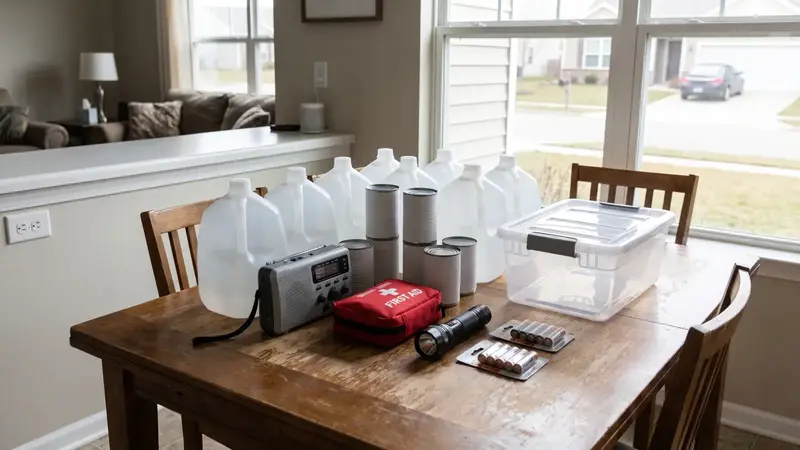 Emergency kit checklist: what to include, how much to keep and where to store itA plain-English emergency kit checklist built on Ready.gov's basic kit and extra items, with how many days of supplies to keep and how to maintain your kit.Read the guide →
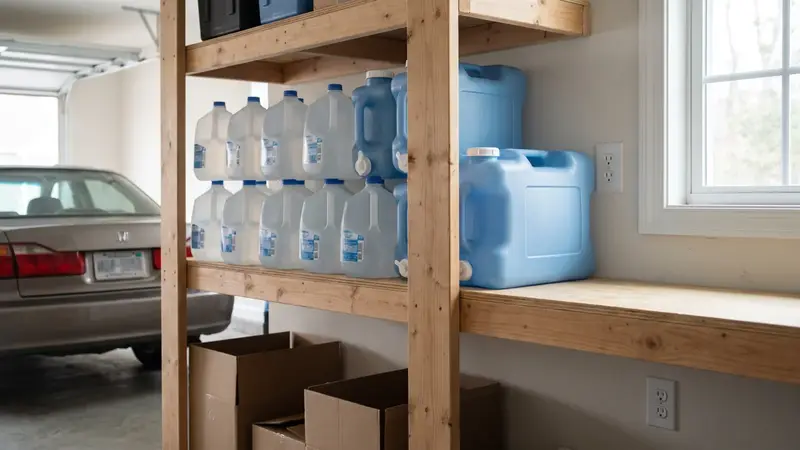 How much water to store for an emergency: per person, per pet and for how longHow much water to store for an emergency: 1 gallon per person per day, pets, which containers to use, when to replace stored water and hidden sources at home.Read the guide →
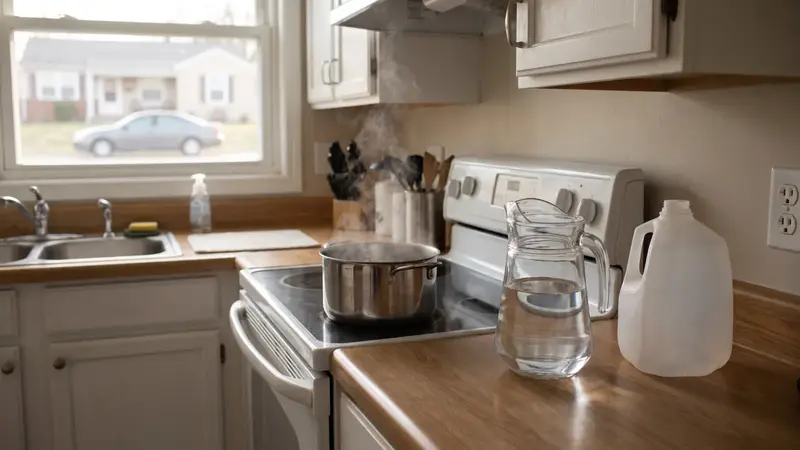 How to make water safe to drink in an emergency: boiling, bleach, filters and tabletsHow to make water safe to drink in an emergency: boiling times, exact unscented bleach amounts, what filters and tablets remove, and what nothing can fix.Read the guide →
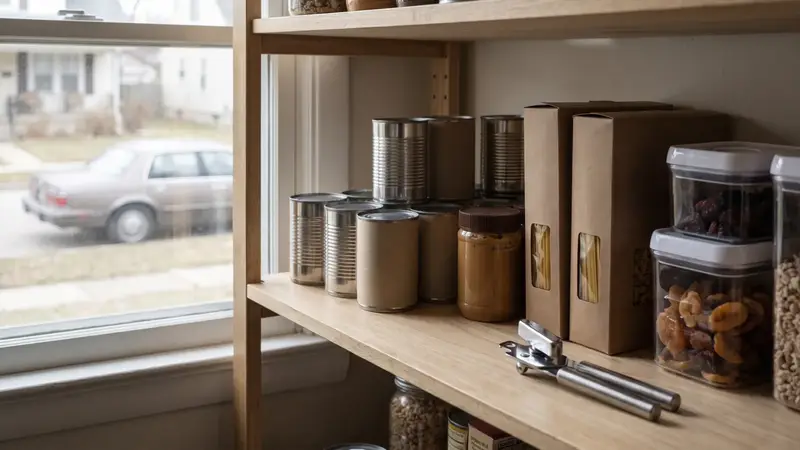 Emergency food storage: how much to store, what to buy and how to keep it safeHow much emergency food to store, from a 3-day kit to two weeks at home: no-cook foods, calories, special diets, rotation and when to throw out damaged cans.Read the guide →
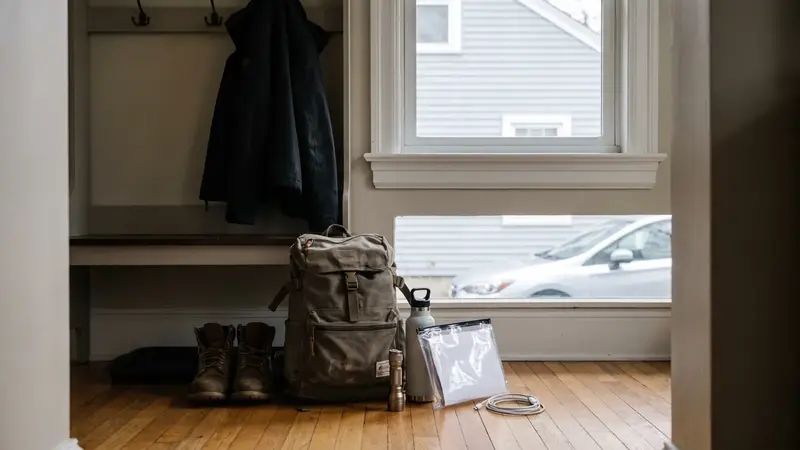 Go-bag checklist: what to pack in case you have to evacuateWhat to pack in a go-bag: documents, medications, cash, chargers, per-person items, kids and pets, and how it differs from a home kit. Official sources.Read the guide →
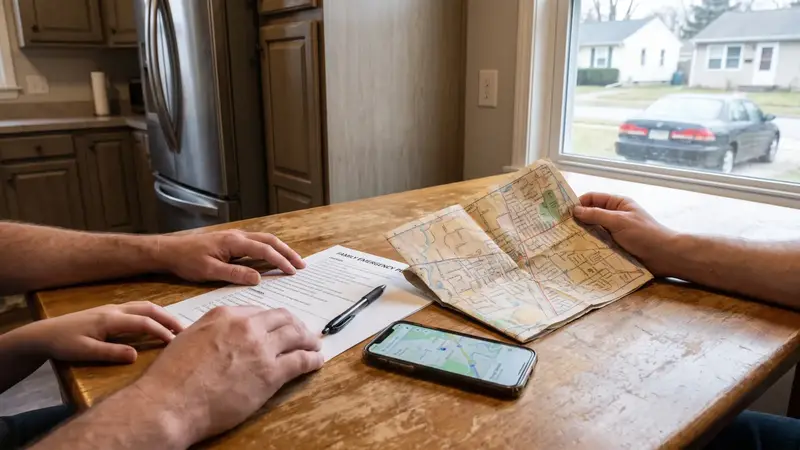 How to make a family emergency plan: steps, questions and a communication planHow to make a family emergency plan: Ready.gov's four steps, the questions to ask, a communication plan, meeting places, alerts, and planning for kids and pets.Read the guide →
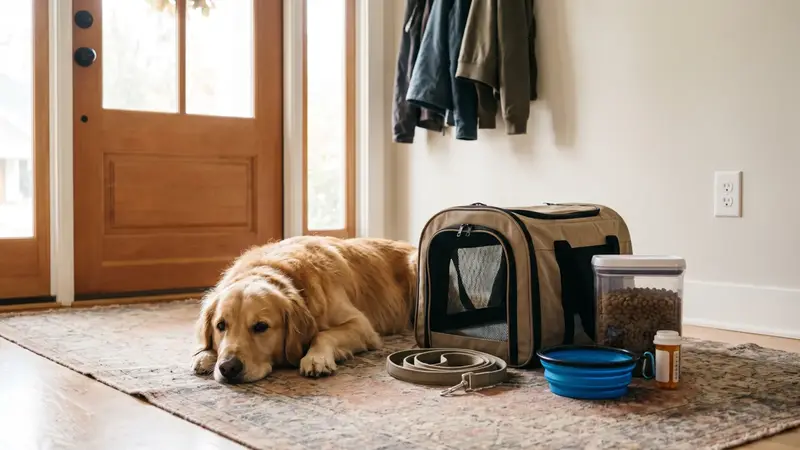 Pet emergency kit: what to pack, where to go and what to do after a disasterHow to build a pet emergency kit and plan: what to pack, ID and microchips, what shelters and hotels allow, pet-friendly places to stay and aftercare.Read the guide →
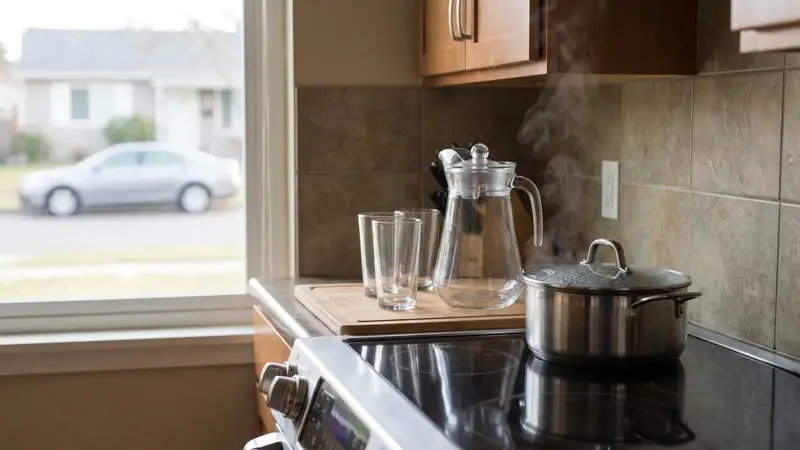 Boil water advisory: what to do, how to boil water and what is safe to useWhat a boil water advisory means, how long to boil water, what is safe for drinking, teeth, ice, formula, dishes and pets, and what to do when it is lifted.Read the guide →
Power outages
 Power outage checklist: what to do before, during and afterA calm power outage checklist from Ready.gov and CDC: what to prepare, how to protect food, medicines and medical devices, and what to do when power returns.Read the guide →
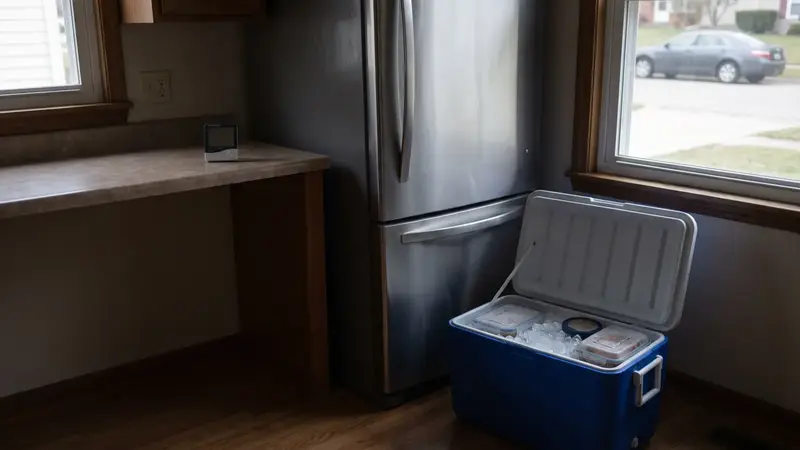 Food safety in a power outage: how long food lasts and what to throw outHow long food stays safe in the fridge and freezer without power, what to throw out, and when you can refreeze, based on CDC and Ready.gov guidance.Read the guide →
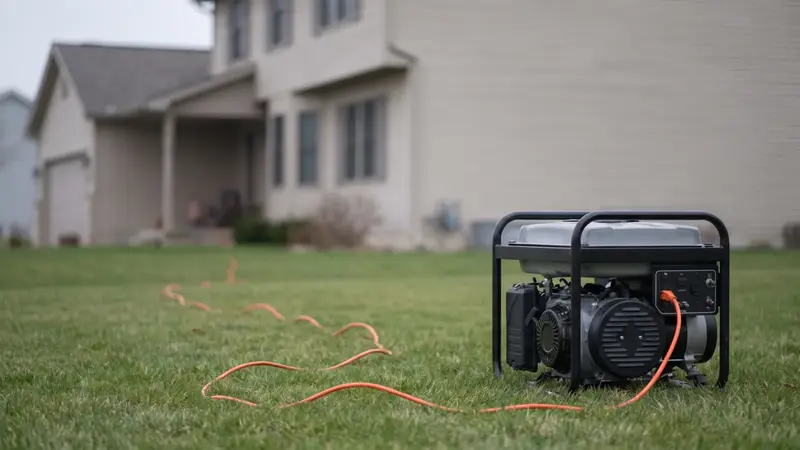 Portable generator safety: where to run it, carbon monoxide and cordsHow to use a portable generator safely in an outage: 20 feet from windows, never in a garage, CO alarms, outdoor cords, and why you must never backfeed.Read the guide →
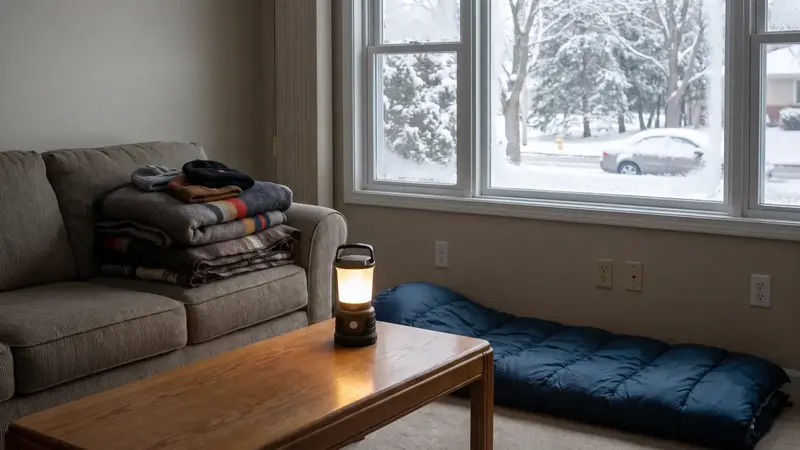 How to stay warm without power in winter, safelyStay warm in a winter power outage safely: keep heat in, dress in layers, never heat with an oven or grill, know hypothermia signs and where to go.Read the guide →
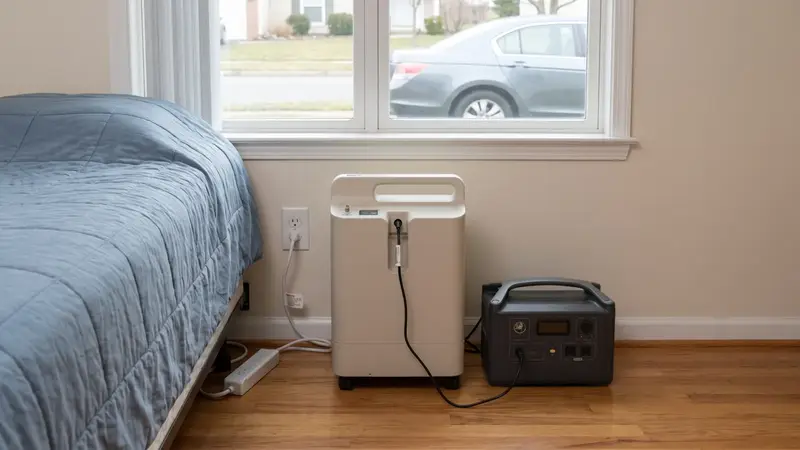 Power outage plan for electric medical devices and refrigerated medicinesHow to plan for a power outage if you use electric medical devices or refrigerated medicine: questions to ask, backup power and utility priority lists.Read the guide →
Winter weather
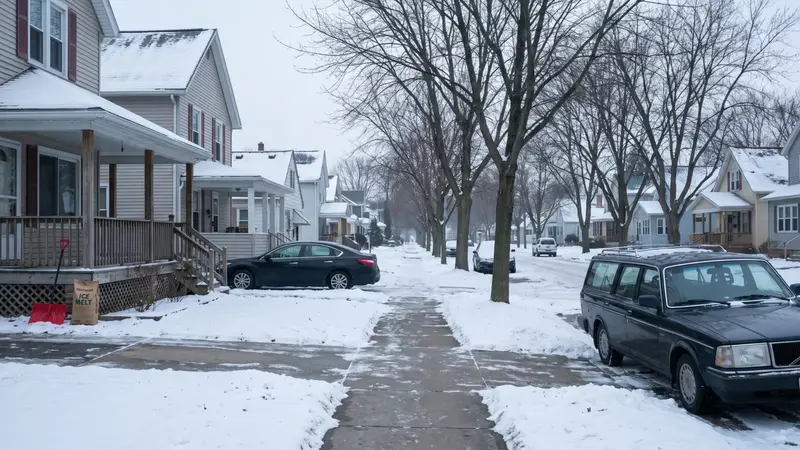 Winter storm preparedness checklist: before, during and afterA plain-English winter storm checklist: watch vs warning, home prep, supplies, staying warm, shoveling and carbon monoxide cautions, sourced to official pages.Read the guide →
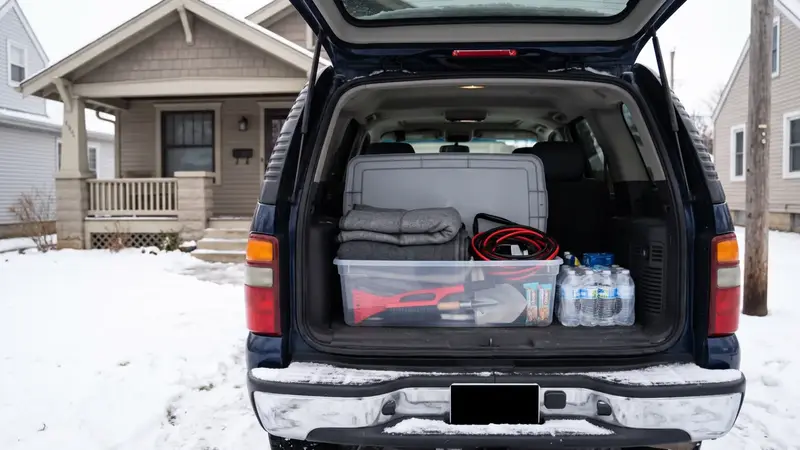 Winter car emergency kit: what to keep in your car and what to do if you're strandedWhat to keep in your car for winter and what to do if you get stranded: stay with the car, clear the exhaust pipe, run the engine safely. Official sources.Read the guide →
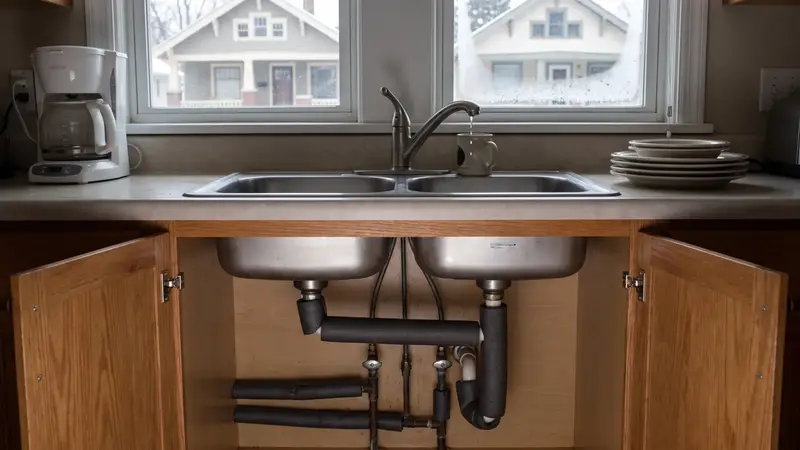 Frozen pipes: how to prevent them and what to do if they freezeHow to keep pipes from freezing and what to do if they do: insulate, let faucets drip, thaw safely with a hair dryer, and never use a flame. Official sources.Read the guide →
Floods and extreme heat
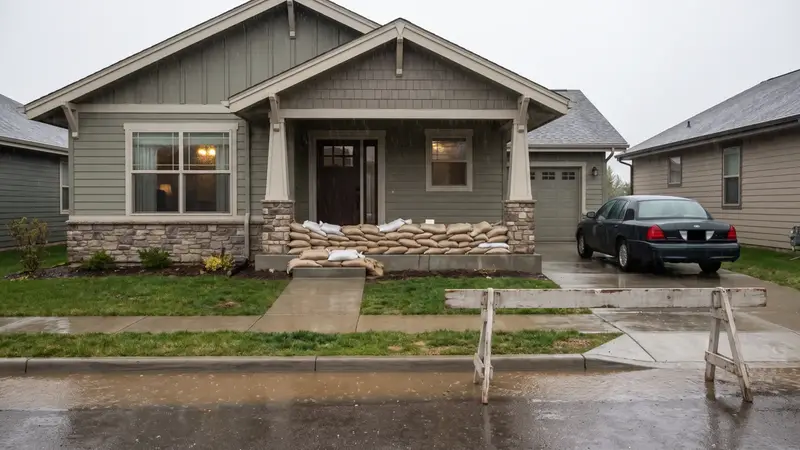 Flood preparedness: flood watch vs warning, what to do and how flood insurance worksFlood watch vs warning, how little moving water can sweep a car away, the 30-day flood insurance wait, and what to do before, during and after a flood.Read the guide →
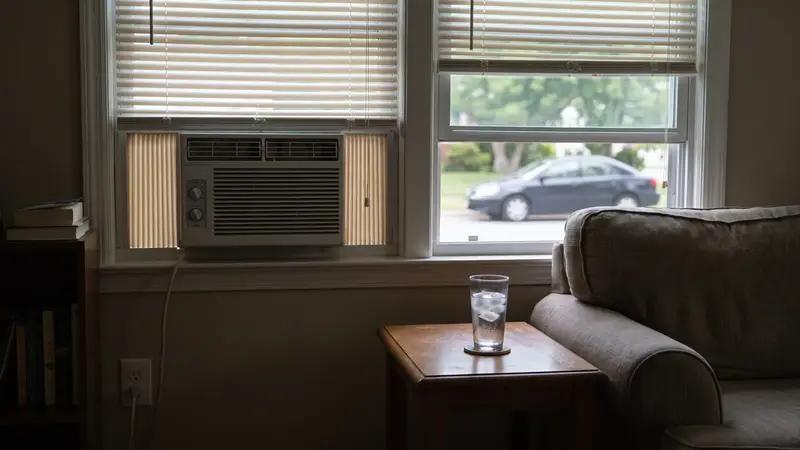 Extreme heat safety: heat exhaustion vs heat stroke and how to stay cool in a power outageHeat exhaustion vs heat stroke signs and what to do, why a fan is not enough when it is very hot, heat alert terms, and how to cope with a summer power outage.Read the guide →
Storms, fire and earthquakes
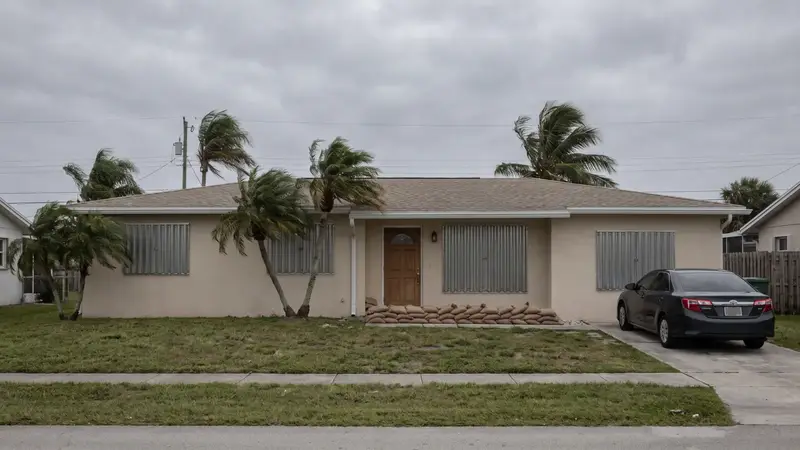 Hurricane preparedness checklist: what to do before, during and after a stormHurricane season dates, watch vs warning, how to find your evacuation zone, storm surge, supplies, and what to do after the storm, sourced to NHC and Ready.gov.Read the guide →
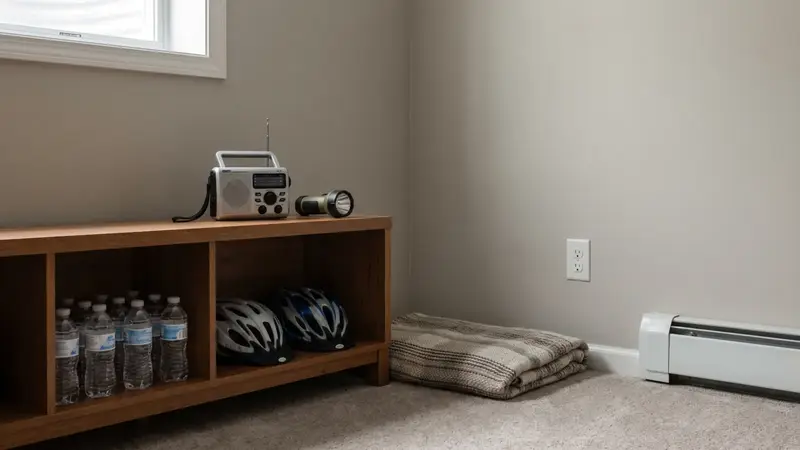 Tornado preparedness: watch vs warning, where to shelter and what to do afterTornado watch vs warning, where to shelter in a house, apartment, mobile home or car, how to get NOAA Weather Radio and WEA alerts, and what to do afterward.Read the guide →
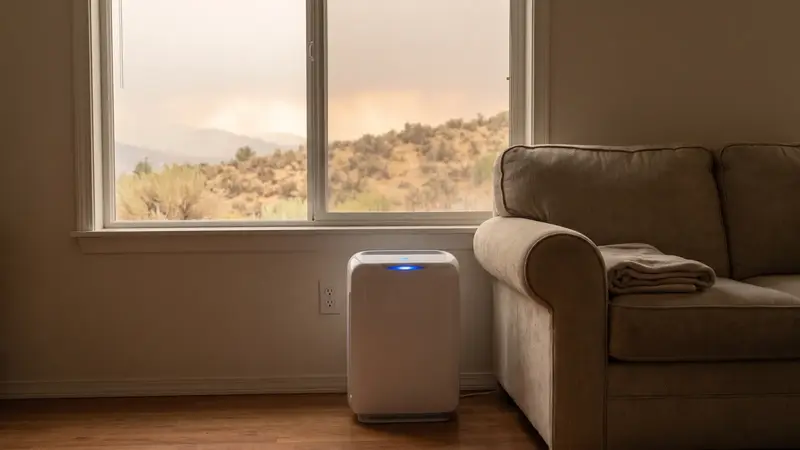 How to protect yourself from wildfire smoke: AQI, clean room, filters and N95sHow to protect yourself from wildfire smoke: check the AQI, set up a cleaner-air room, use MERV 13 filters and air cleaners, and know what N95s cannot do.Read the guide →
 Earthquake preparedness: Drop, Cover and Hold On, and what to do afterWhat to do in an earthquake: Drop, Cover and Hold On, how to secure heavy items, what to do indoors, outdoors or driving, plus gas leaks and aftershocks.Read the guide →