Hurricane preparedness checklist: what to do before, during and after a storm
Hurricane season dates, watch vs warning, how to find your evacuation zone, storm surge, supplies, and what to do after the storm, sourced to NHC and Ready.gov.
By PreparedStates editors · Updated October 22, 2026 · Sourced to Ready.gov, the National Hurricane Center and the National Weather Service
- The Atlantic hurricane season runs June 1 to November 30. The Eastern Pacific season runs May 15 to November 30.
- A hurricane watch means hurricane conditions are possible. A warning means they are expected and is issued 36 hours before tropical-storm-force winds are anticipated.
- Find your evacuation zone now. If you are in a mandatory zone and officials say leave, go immediately.
- Storm surge has historically been the leading cause of hurricane-related deaths in the U.S., so take your surge risk seriously.
- After the storm, stay out of floodwater, which downed power lines can electrically charge, and never run a generator inside your home or garage.
When hurricane season runs
The Atlantic hurricane season runs from June 1 to November 30. The Eastern Pacific season runs from May 15 to November 30, and the Central Pacific season runs from June 1 to November 30. These are the dates the National Hurricane Center (NHC) gives.
The National Weather Service says the best time to prepare is before the season begins on June 1. Ready.gov also reminds us that hurricanes are not just a coastal problem. Rain, wind, water and tornadoes can reach far inland, so this checklist applies even if you live well away from the shore.
Hurricane watch vs hurricane warning
A hurricane watch means hurricane conditions are possible in the specified area. A hurricane warning means they are expected. In the NHC's definitions, that means sustained winds of 74 mph or higher.
Timing is the difference that matters. The NHC issues a hurricane watch 48 hours before it expects tropical storm force winds to begin. It issues a warning 36 hours before. Storm surge watches and warnings follow a similar pattern, generally within 48 hours and 36 hours.
Treat a watch as your cue to check your plan, your supplies and your route out. Once a warning is issued, Ready.gov says to pay attention to emergency information and alerts, and to follow what local officials tell you.
Know your evacuation zone
You may have to evacuate quickly if you live in an evacuation zone. Ready.gov says to learn your evacuation routes, practice them with your household and pets, and decide where you will stay. To find out whether you live in an evacuation area, contact your local government or emergency management office.
If you live in a mandatory evacuation zone and local officials tell you to evacuate, do so immediately. When a hurricane threatens, the National Weather Service says to be prepared to evacuate if you live in a storm surge risk area, and to allow enough time to pack and tell friends and family if you need to leave your home. Our go-bag checklist covers what to take.
Make sure everyone in your household knows the plan, and think through any extra help someone with a disability may need. Ready.gov also suggests checking on neighbors and older adults who may need help with their own plans.
Storm surge: the hazard to respect most
Storm surge is an abnormal rise in sea level that comes with a hurricane or other intense storm. Historically, storm surge is the leading cause of hurricane-related deaths in the United States. The NHC says surge can reach heights well over 20 feet and can span hundreds of miles of coastline.
Surge does not stay at the beach. The National Weather Service says it can travel several miles inland, especially along bays, rivers and estuaries. Ready.gov links to National Storm Surge Hazard Maps so you can determine your vulnerability.
Heavy rain is a separate flood risk. The NHC says tropical cyclones often produce widespread, torrential rains in excess of 6 inches. The National Weather Service notes that this flooding can persist for several days after a storm has dissipated.
Supplies and getting your home ready
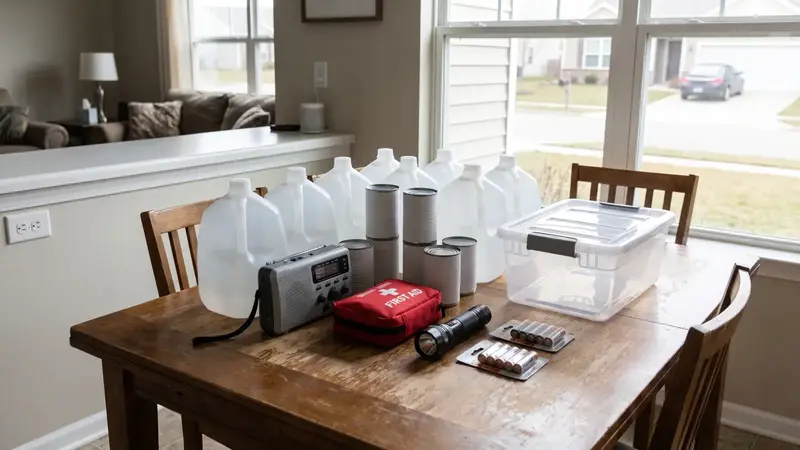
You may not have access to supplies for days or even weeks after a hurricane. Ready.gov says to include medication, disinfectant supplies and pet supplies in your go bag or car trunk. Our emergency kit checklist covers the rest of your kit.
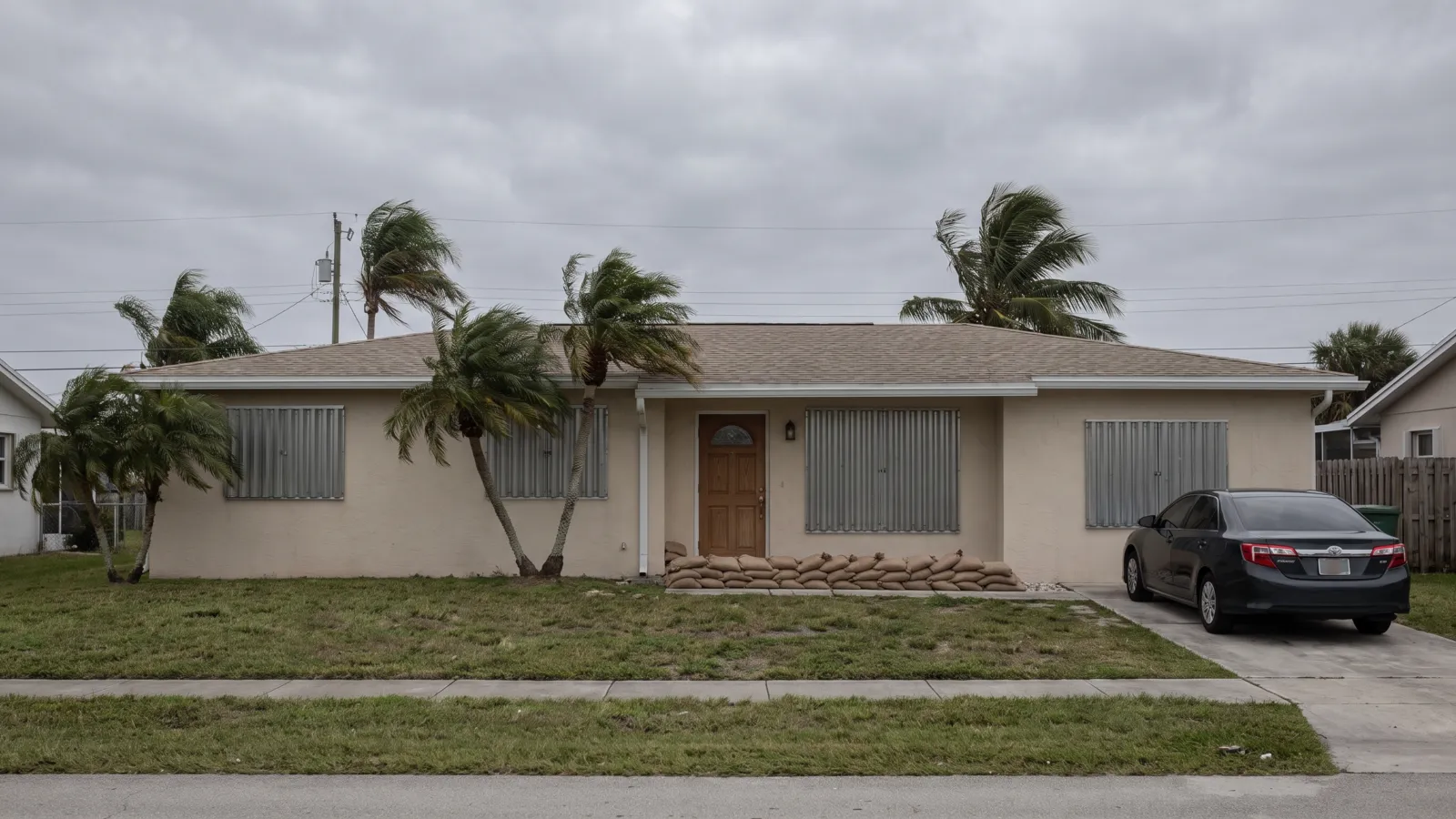
Strengthen your home before the season. Ready.gov suggests decluttering drains and gutters, bringing in outside furniture and considering hurricane shutters. The National Weather Service says permanent storm shutters offer the best protection for windows. If you use plywood, choose 5/8 inch exterior grade or marine plywood, built to fit and ready to install.
Have several ways to get alerts. Ready.gov says the Emergency Alert System and Wireless Emergency Alerts require no sign-up, and the FEMA app can send National Weather Service alerts for up to five locations. The National Weather Service also suggests listening to NOAA Weather Radio, and a weather radio is one way to do that. Keep your phone charged and have backup charging devices, and make sure your insurance policies and ID are up to date.
If you stay: during the storm
If you are not ordered to evacuate, the National Weather Service says to take refuge in a small interior room, closet or hallway on the lowest level during the storm. Put as many walls between you and the outside as you can. Stay away from windows, skylights and glass doors.
If the eye of the storm passes over, there will be a short period of calm. Winds then return quickly from the opposite direction at hurricane force.
If flooding traps you, go to the highest level of the building. Do not climb into a closed attic, because you may become trapped by rising floodwater. Do not walk, swim or drive through flood waters. Just six inches of fast-moving water can knock you down, and one foot of moving water can sweep your vehicle away.
After the storm: floodwater, power lines and generators
If you evacuated, return home only when officials say it is safe. Drive only if necessary and avoid flooded roads and washed-out bridges. Do not wade in flood water, which can contain dangerous pathogens that cause illnesses.
Do not touch electrical equipment if it is wet or if you are standing in water. Underground or downed power lines can electrically charge the water. Stay out of any building if you smell gas, if floodwaters remain around it, if it was damaged by fire, or if the authorities have not declared it safe.
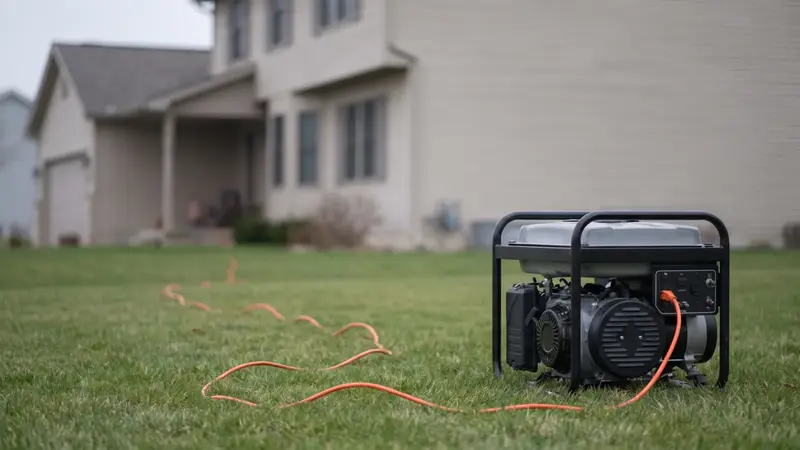
If the power is out, never use a portable generator inside your home or garage. Carbon monoxide poisoning is one of the leading causes of death after storms in areas dealing with power outages. Ready.gov says to use generators outdoors and at least 20 feet away from windows, doors and attached garages, and to install carbon monoxide alarms with battery backup on every level of your home.
Cleanup and recovery
Wear protective clothing and a face covering or mask when cleaning mold or debris, and work with someone else. Children should not help with cleanup. Ready.gov also says people with asthma and other lung conditions or immune suppression should not enter buildings with indoor water leaks or mold growth that can be seen or smelled, even if they are not allergic to mold.
Photograph any property damage and contact your insurance company. Save phone calls for emergencies, and use text messages or social media to reach family and friends. Our power outage checklist covers the days when the lights stay off.
Never use a portable generator inside your home or garage. Carbon monoxide is a colorless, odorless gas that can kill you, your family and pets, so keep generators outdoors and at least 20 feet away from windows, doors and attached garages.
Common questions
When is hurricane season?
The Atlantic hurricane season runs from June 1 to November 30, and the Eastern Pacific season runs from May 15 to November 30, according to the National Hurricane Center.
What is the difference between a hurricane watch and a hurricane warning?
A watch means hurricane conditions are possible in the area, and the NHC issues it 48 hours before it expects tropical storm force winds. A warning means they are expected, and it is issued 36 hours before.
How do I find out if I live in an evacuation zone?
Contact your local government or emergency management office, and follow local emergency managers when they give instructions.
Is wind or water the bigger danger in a hurricane?
Historically, storm surge has been the leading cause of hurricane-related deaths in the United States. Rain and inland flooding are also serious, so wind is only part of the picture.
Is it safe to drive through floodwater after a hurricane?
No. Ready.gov says not to walk, swim or drive through flood waters, because one foot of moving water can sweep your vehicle away.
Can I run a generator during a post-hurricane outage?
Only outdoors, and never inside your home or garage. Ready.gov says to keep it at least 20 feet away from windows, doors and attached garages.
Sources (9)
- Ready.gov: Hurricanes
- National Hurricane Center: Glossary of terms
- National Hurricane Center: Climatology
- National Hurricane Center: Hurricane hazards
- National Weather Service: Hurricane safety
- National Weather Service: Hurricane planning
- National Weather Service: When a hurricane approaches
- National Weather Service: After a hurricane
- Ready.gov: Power Outages
Get one calm email when it matters
Seasonal checklists and gear price drops. No spam, unsubscribe any time.
Keep reading
 Emergency kit checklist: what to include, how much to keep and where to store itA plain-English emergency kit checklist built on Ready.gov's basic kit and extra items, with how many days of …
 Portable generator safety: where to run it, carbon monoxide and cordsHow to use a portable generator safely in an outage: 20 feet from windows, never in a garage, CO alarms, outdo…
 Power outage checklist: what to do before, during and afterA calm power outage checklist from Ready.gov and CDC: what to prepare, how to protect food, medicines and medi…
 Food safety in a power outage: how long food lasts and what to throw outHow long food stays safe in the fridge and freezer without power, what to throw out, and when you can refreeze…