Flood preparedness: flood watch vs warning, what to do and how flood insurance works
Flood watch vs warning, how little moving water can sweep a car away, the 30-day flood insurance wait, and what to do before, during and after a flood.
By PreparedStates editors · Updated October 22, 2026 · Sourced to the National Weather Service, Ready.gov, FEMA's FloodSmart and the CDC
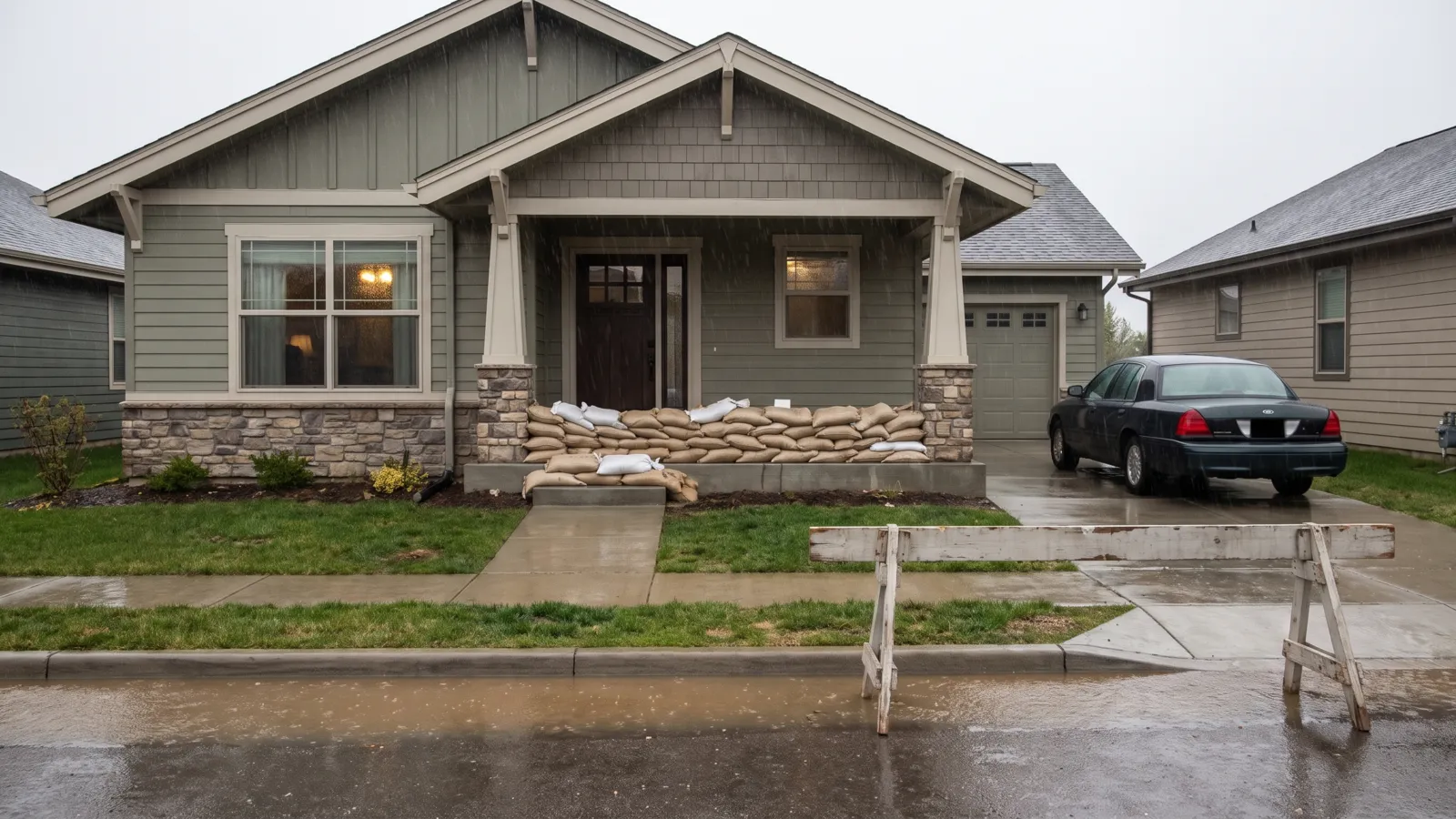
- A flood watch means conditions are favorable for flooding. A flood warning means flooding is imminent or occurring, so take action.
- Just 6 inches of fast-moving flood water can knock over an adult, and 12 inches of rushing water can carry away most cars.
- Never drive around a barricade or through flood water. The National Weather Service says it is never safe to drive or walk into flood waters.
- Most homeowners insurance does not cover flood damage. NFIP flood insurance usually starts 30 days after you buy it, so buy well before a storm.
- Stay out of floodwater: it can hold downed power lines, waste and debris. Return home only when authorities say it is safe.
Flood watch vs flood warning
The National Weather Service uses different alerts for different levels of danger. A Flood Watch means "Be Prepared": conditions are favorable for flooding. It does not mean flooding will occur, but it is possible.
A Flood Warning means "Take Action": flooding is imminent or occurring. A Flash Flood Warning is issued when a flash flood is imminent or occurring, and if you are in a flood prone area the NWS says to move immediately to high ground. A Flood Advisory means "Be Aware": flooding is not expected to be bad enough for a warning, but it may cause significant inconvenience.
A flash flood is a sudden violent flood that can take from minutes to hours to develop. The NWS says it is even possible to experience one in areas not immediately receiving rain. Ready.gov adds that floods can develop slowly or quickly, and that flash floods can come without warning.
Turn Around, Don't Drown: how little water it takes
The National Weather Service says more deaths occur each year from flooding than from any other thunderstorm related hazard. It cites the CDC as reporting that over half of all flood-related drownings occur when a vehicle is driven into hazardous flood water.
Here is how the NWS puts it: "A mere 6 inches of fast-moving flood water can knock over an adult. It takes just 12 inches of rushing water to carry away most cars and just 2 feet of rushing water can carry away SUVs and trucks." Ready.gov gives a similar rule: just six inches of moving water can knock you down, and one foot of moving water can sweep your vehicle away. The NWS During a Flood page gives a lower figure for large vehicles: 12 inches of water can float a car or small SUV, and 18 inches of water can carry away large vehicles.
Never drive around the barriers blocking a flooded road, because the road may have collapsed under the water. Water may also be deeper than it appears and can hide sharp objects, washed out road surfaces, electrical wires and chemicals. Ready.gov says to stay off bridges over fast-moving water, since it can wash bridges away without warning.
Before a flood: know your risk and get ready
Ready.gov says where it rains it can flood, so look up your risk in FEMA's Flood Map Service Center, and remember that flooding doesn't follow lines on a map. Sign up for your community's warning system. The Emergency Alert System and NOAA Weather Radio also provide emergency alerts, and a weather radio is one way to receive them.
Make a plan for your household, including your pets, and learn and practice evacuation routes. Gather non-perishable food, cleaning supplies and water for several days, in case you must leave immediately or services are cut off. Our emergency kit checklist covers the basics, and our family emergency plan guide covers the rest.
The CDC adds that you should buy and install sump pumps with back-up power, and have a licensed electrician raise electric components (switches, sockets, circuit breakers and wiring) at least 12 inches above your home's projected flood elevation. A battery backup for a sump pump is one way to do the first part.
- Keep documents in a waterproof container
- Create password-protected digital copies
- Move valuables to higher levels
- Declutter drains and gutters
- Install check valves
- Take photos and videos of major household items and valuables
Flood insurance basics
FEMA's FloodSmart site says most homeowners insurance does not cover flood damage, and Ready.gov says homeowner's policies do not cover flooding. The National Flood Insurance Program (NFIP) offers flood insurance policies for homeowners, renters and businesses. FloodSmart also says almost one-third of NFIP flood insurance claims come from outside high-risk flood areas.
Do not wait for a forecast. FloodSmart says flood insurance coverage goes into effect 30 days after your date of purchase, with four exceptions, listed below.
An NFIP policy lasts for one year. It covers direct physical flood damage to your home and belongings, with building and contents coverage typically purchased separately and carrying separate deductibles. It does not cover cars and most self-propelled vehicles. FloodSmart also says policy rates don't vary by insurance provider.
- No wait if you buy while making, increasing, extending or renewing a mortgage
- No wait if you change your coverage while renewing your policy
- One-day wait if your property is in a newly-designated high-risk flood zone and you buy within 12 months of the update
- One-day wait if a flood is caused or worsened by a wildfire on federal land and you buy within 60 days of the wildfire containment date
During a flood: what to do
Evacuate immediately if you are told to, and never drive around barricades, because local responders use them to safely direct traffic out of flooded areas. Listen to the Emergency Alert System, NOAA Weather Radio or local alerting systems for instructions. If you live in a flood prone area, the National Weather Service says to get to higher ground immediately.
If you are trapped in a building, get to the highest level, and only get on the roof if necessary, signaling for help once there. Do not climb into a closed attic, where rising floodwater could trap you. If your car is trapped in rapidly moving water, Ready.gov says to stay inside it, and to get on the roof if water is rising inside the car. The NWS says not to walk through flood waters, because it only takes 6 inches of moving water to knock you off your feet, and that if you are trapped by moving water, you should move to the highest possible point and call 911 if possible.
Take care around electricity. The NWS says not to go into a basement, or any room, if water covers the electrical outlets or if cords are submerged, and to get out if you see sparks or hear buzzing, crackling, snapping or popping noises. If you are told to evacuate, lock your home when you leave, and if you have time, disconnect utilities and appliances.
Floodwater hazards
The CDC says we don't know exactly what is in floodwater at any given point in time. It can contain downed power lines, human and livestock waste, household, medical and industrial hazardous waste, and physical objects such as lumber, vehicles and debris. Ready.gov adds that underground or downed power lines can electrically charge the water.
The CDC says the best way to protect yourself is to stay out of the water. If you come in contact with floodwater, wash the area with soap and clean water as soon as possible. If you must enter floodwater, wear rubber boots, rubber gloves and goggles.
Floodwater is also a drowning risk. The CDC says it can pose a drowning risk for everyone, regardless of their ability to swim, and that swiftly moving shallow water can be deadly. Even shallow standing water can be dangerous for small children, and the CDC says not to let children play in floodwater areas.
After a flood: cleanup, water and your claim
Ready.gov says to pay attention to authorities and return home only when they say it is safe, and to avoid driving except in emergencies. Wear heavy work gloves, protective clothing and boots during cleanup, and use appropriate face coverings or masks if cleaning mold or other debris. Ready.gov says people with asthma and other lung conditions or immune suppression should not enter buildings with indoor water leaks or mold growth that can be seen or smelled. Children should not take part in disaster cleanup work.
Ready.gov warns about electrocution: do not touch electrical equipment if it is wet or if you are standing in water, and turn off the electricity if it is safe to do so. Use a generator or other gasoline-powered machinery only outdoors and away from windows, and the CDC says never to run a gasoline engine inside a home, basement, garage, carport, porch or other enclosed or partially enclosed structure, or less than 20 feet from any door, window or vent, even if the windows and doors are open. Our generator safety guide has the full rules.
The CDC says floodwater can contaminate your drinking water, so follow local guidance on whether your water is safe to drink, as in a boil water advisory. Throw away food that may have come in contact with flood or storm water. If your home was flooded and has been closed up for several days, assume it has mold. If you have flood insurance, FloodSmart says to take photos and videos of all flood damage before cleaning up, and to report your loss immediately to your insurance agent or carrier.
The National Weather Service says water may be deeper than it appears and can hide hazards such as sharp objects, washed out road surfaces, electrical wires and chemicals. A vehicle caught in swiftly moving water can be swept away in seconds. If a road is barricaded, turn around: the road may have collapsed under that water.
Common questions
What is the difference between a flood watch and a flood warning?
A Flood Watch means conditions are favorable for flooding, so be prepared. A Flood Warning means flooding is imminent or occurring, so take action.
How much moving water can sweep a car away?
The National Weather Service says it takes just 12 inches of rushing water to carry away most cars and just 2 feet to carry away SUVs and trucks. Its During a Flood page says 18 inches of water can carry away large vehicles. Ready.gov says one foot of moving water can sweep your vehicle away.
How long does flood insurance take to start?
FloodSmart says coverage goes into effect 30 days after your date of purchase. The exceptions are no wait if you buy while making, increasing, extending or renewing a mortgage or change coverage while renewing, and a one-day wait in a newly-designated high-risk flood zone or after a wildfire on federal land, within set time limits.
Does homeowners insurance cover flooding?
Usually not. FloodSmart says most homeowners insurance does not cover flood damage, and Ready.gov says homeowner's insurance policies do not cover flooding.
Can a flash flood happen when it is not raining where I am?
Yes. The National Weather Service says it is even possible to experience a flash flood in areas not immediately receiving rain.
Is it safe to wade through shallow floodwater?
No. The CDC says the best way to protect yourself is to stay out of the water, which can contain things that hurt you or make you sick. If you must enter floodwater, it says to wear rubber boots, rubber gloves and goggles.
Sources (11)
- National Weather Service: Flood Warning vs. Watch
- National Weather Service: Turn Around Don't Drown
- National Weather Service: Before a Flood
- National Weather Service: During a Flood
- Ready.gov: Floods
- FEMA FloodSmart: National Flood Insurance Program
- FloodSmart: What you need to know about buying flood insurance
- FloodSmart: Recover from a flood
- CDC: Preparing for Floods
- CDC: Safety Guidelines: Floodwater
- CDC: Safety Guidelines: Reentering Your Flooded Home
Get one calm email when it matters
Seasonal checklists and gear price drops. No spam, unsubscribe any time.
Keep reading
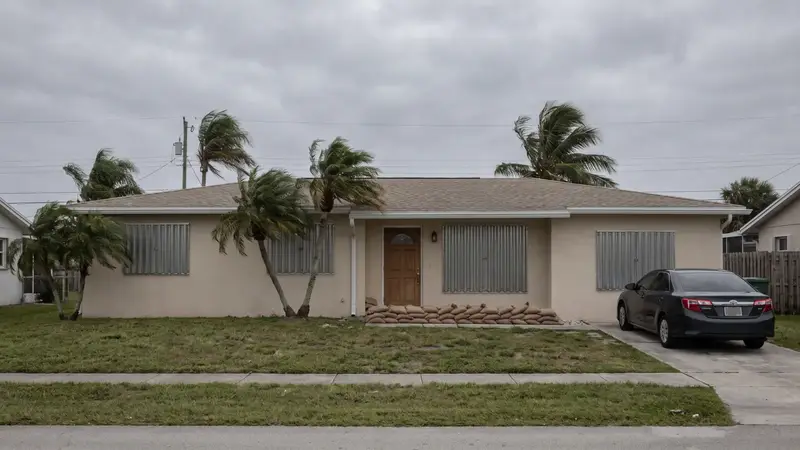 Hurricane preparedness checklist: what to do before, during and after a stormHurricane season dates, watch vs warning, how to find your evacuation zone, storm surge, supplies, and what to…
 Power outage checklist: what to do before, during and afterA calm power outage checklist from Ready.gov and CDC: what to prepare, how to protect food, medicines and medi…
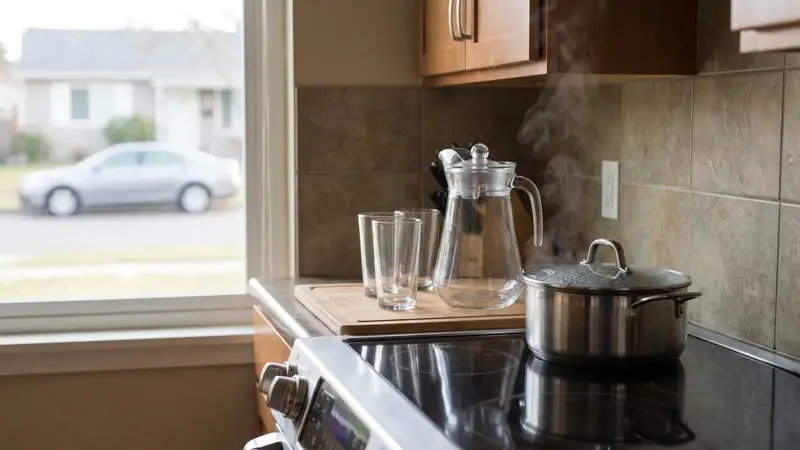 Boil water advisory: what to do, how to boil water and what is safe to useWhat a boil water advisory means, how long to boil water, what is safe for drinking, teeth, ice, formula, dish…
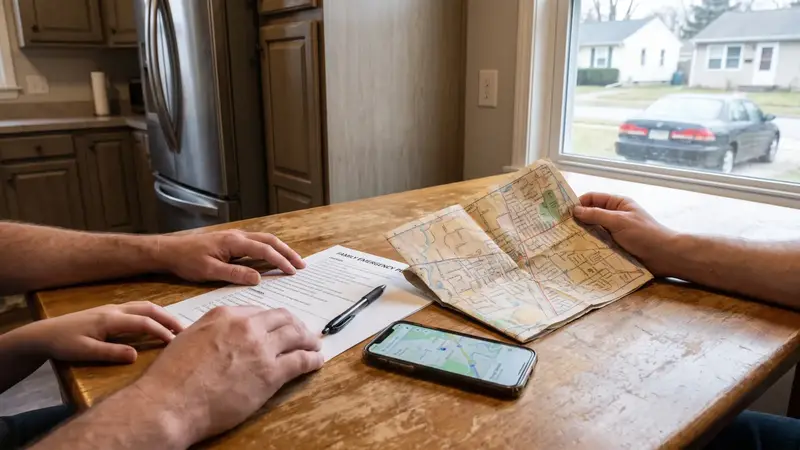 How to make a family emergency plan: steps, questions and a communication planHow to make a family emergency plan: Ready.gov's four steps, the questions to ask, a communication plan, meeti…