Winter storm preparedness checklist: before, during and after
A plain-English winter storm checklist: watch vs warning, home prep, supplies, staying warm, shoveling and carbon monoxide cautions, sourced to official pages.
By PreparedStates editors · Updated October 22, 2026 · Sourced to Ready.gov, the National Weather Service, CDC and the American Red Cross
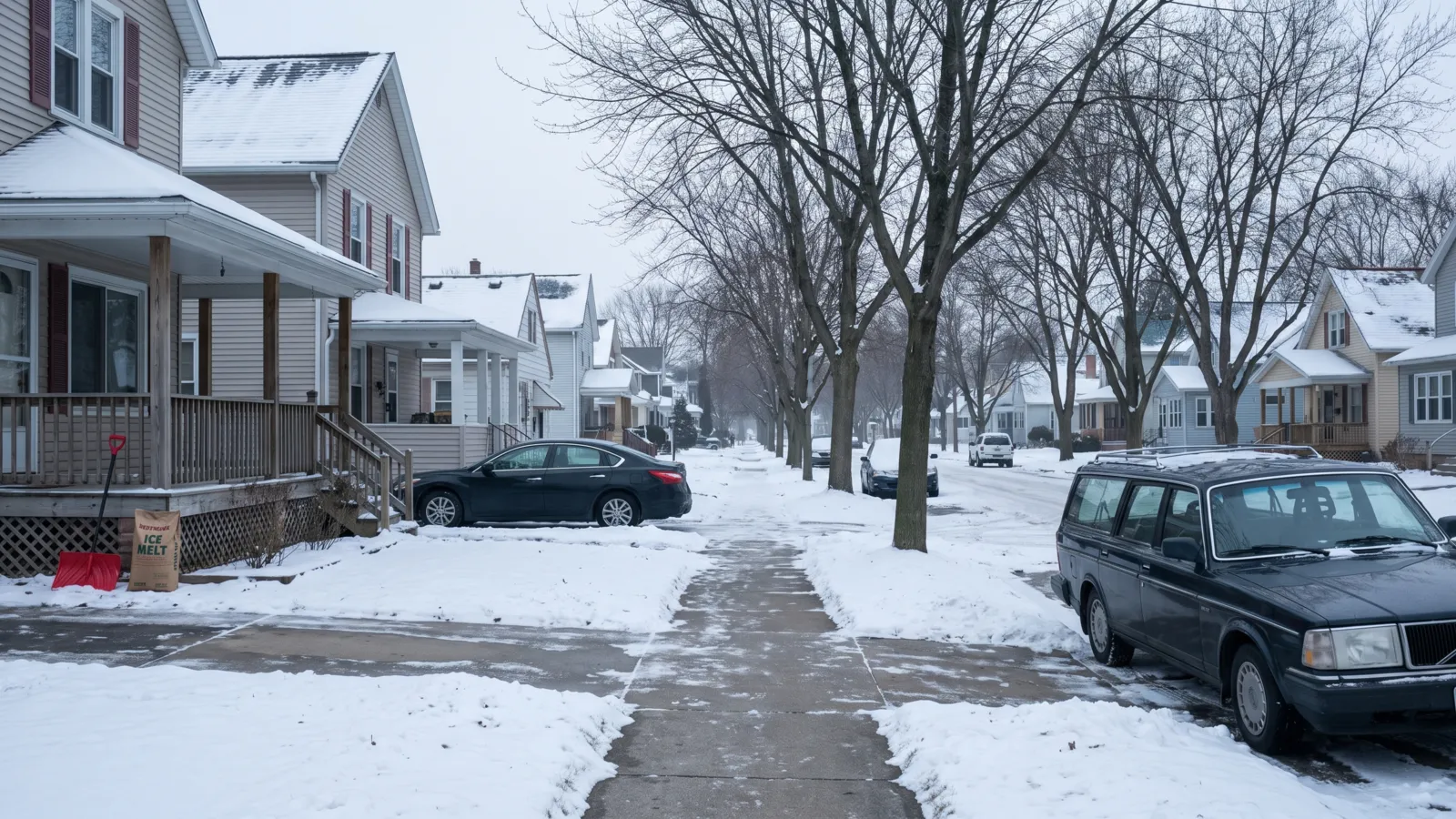
- A watch means a significant winter storm is possible, so prepare. A warning means one is imminent or underway, so take action.
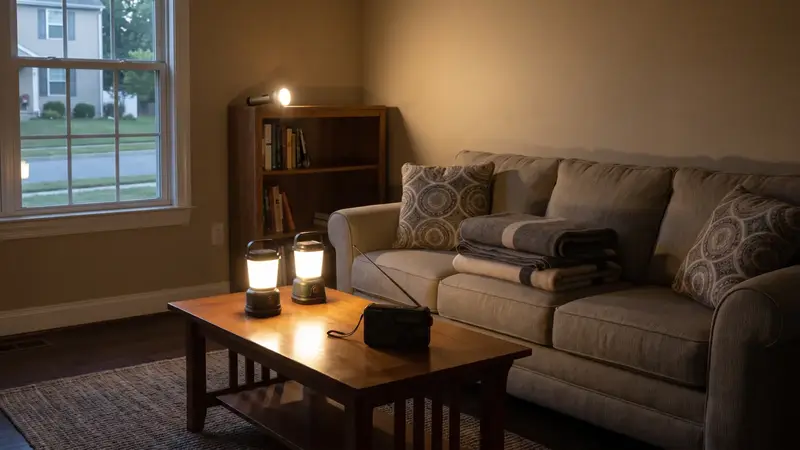
- Stock several days of food, water and medication, plus extra batteries, a radio and flashlights, before the storm arrives.
- Insulate and weather-strip your home, learn how to keep pipes from freezing, and test smoke and carbon monoxide alarms.
- Never heat your home with a gas stovetop or oven, and use generators and grills only outdoors and away from windows.
- Avoid overexertion when shoveling snow, and stay off the roads if at all possible.
Watch, warning or advisory: what each one means
A winter storm watch means a significant storm is possible. The National Weather Service (NWS) issues one when conditions are favorable for a significant winter storm event, such as heavy sleet, heavy snow, an ice storm or a combination. Ready.gov says watches are usually issued 12 to 48 hours before a winter storm begins.
A winter storm warning means the event is imminent or already happening. Ready.gov says warnings are usually issued 12 to 24 hours before the event is expected to begin, and that if you are under one you should find shelter right away. NWS adds that travel will become difficult or impossible in some situations, so you should delay your travel plans until conditions improve.
A winter weather advisory is a step down. NWS issues one when snow, ice, sleet or blowing snow is expected but conditions should not be hazardous enough to meet warning criteria. Each local NWS office issues alerts based on local criteria, so the snowfall that triggers a warning in the Northern Plains is typically much higher than in the Southeast.
Get alerts and stay connected
Pay attention to weather reports and warnings of freezing weather and winter storms. Ready.gov suggests signing up for your community's warning system, and notes that the Emergency Alert System and NOAA Weather Radio also provide emergency alerts. NWS lists a battery-powered NOAA Weather Radio and a portable radio for receiving emergency information, and our weather radio comparison shows what is available.
The Red Cross also suggests having a backup battery or a way to charge your cell phone, plus a battery-powered radio for a power outage. It says to plan to check on loved ones and neighbors to make sure they are staying warm, which is especially important for older adults and babies.
Prepare your home before the storm
Ready.gov says to prepare your home to keep out the cold with insulation, caulking and weather stripping. CDC adds specifics: insulate water lines that run along exterior walls so your water supply is less likely to freeze, caulk and weather-strip doors and windows, and insulate walls and the attic. Our frozen pipes guide covers the pipe side in detail.
Install and test smoke alarms and carbon monoxide detectors with battery backups, as Ready.gov advises. NWS also says to make sure the outside vent is clear of leaves and debris, and to clear snow from it during or after the storm. Our carbon monoxide alarm comparison is a good place to start.
If you plan to use a fireplace or wood stove for emergency heating, CDC says to have the chimney or flue inspected each year. It also says to have your furnace system and vent checked by a qualified technician each winter, and that all fuel-burning equipment should be vented to the outside. For heating fuel, NWS says to refuel before you are empty, because fuel carriers may not reach you for days after a winter storm.
Stock supplies for several days
Ready.gov says to gather supplies in case you need to stay home for several days without power, keeping in mind each person's specific needs, including medication, and the needs of your pets. The Red Cross suggests splitting supplies into a go-kit of at least three days that you can carry, and a stay-at-home kit of at least two weeks. Our emergency kit checklist covers the home kit and the go-bag guide covers the portable one.
The Red Cross says to set aside at least one gallon of drinking water per person per day, because you may lose access to drinking water. It also suggests a 1-month supply of needed medications and medical supplies, and a small card listing your medications and dosages. Ready.gov also advises keeping extra batteries for radios and flashlights.
NWS publishes a home and work list built around losing heat, power and phone service. The items below come from that list.
- Flashlight and extra batteries
- Battery-powered NOAA Weather Radio and a portable radio
- Extra food and water that need no cooking or refrigeration
- Extra prescription medicine and first-aid supplies
- Baby items such as diapers and formula
- Extra pet food and a warm shelter for pets
- A fire extinguisher and a smoke alarm, tested monthly
During the storm: stay warm and use heat safely
Stay off roads if at all possible, and if you get trapped in your car, stay inside it. Limit your time outside, and if you need to go out, wear layers of warm clothing. CDC lists a hat, a scarf or knit mask to cover your face and mouth, mittens (which it says are warmer than gloves), and a water-resistant coat and boots.
To keep heat in, CDC suggests closing off unneeded rooms, stuffing towels or rags in cracks under doors, and closing draperies or covering windows with blankets at night. NWS adds that you should eat, because food provides the body with energy for producing its own heat.
If you use space heaters or fireplaces, the Red Cross says to keep anything that could catch fire at least 3 feet from the heat. It also says to avoid candles because of the fire risk and use battery-powered lights and flashlights instead. If your home becomes too cold, it suggests going to a friend's house, a public library or a warming center, and our stay warm without power guide has more.
Shoveling, cold exposure and carbon monoxide
Ready.gov says to reduce the risk of a heart attack by avoiding overexertion when shoveling snow and walking in the snow. CDC says cold weather puts an extra strain on the heart, so if you have heart disease or high blood pressure you should follow your doctor's advice about shoveling. Otherwise, dress warmly and work slowly to avoid excess sweating, and the Red Cross adds that you should take frequent breaks and, if possible, work with a partner.
The Red Cross notes that carbon monoxide poisoning is common during power outages, when people use other means to heat and cook. Ready.gov says to use generators and grills only outdoors and away from windows, and never to heat your home with a gas stovetop or oven. It puts generators and fuel at least 20 feet from windows, doors and attached garages, and our generator safety guide has the full list. If you start to feel sick, dizzy or weak, the Red Cross says to get to fresh air right away.
Know the signs of cold injury too. Ready.gov lists numbness, white or grayish-yellow skin and firm or waxy skin as signs of frostbite. Shivering, exhaustion, confusion, fumbling hands, memory loss, slurred speech and drowsiness are signs of hypothermia. CDC says that if a person's temperature is below 95°F, the situation is an emergency, so get medical attention immediately.
After the storm
The danger does not end when the snow stops. NWS says heavy snow may have knocked down power lines and caused gas leaks, both of which can be deadly but are not obvious at first glance. The Red Cross says to avoid damaged or fallen power lines because they can electrocute you, and to be aware of branches, trees and ice that may fall.
NWS says to never use a portable generator inside your home or garage, and notes that carbon monoxide poisoning is one of the leading causes of death after storms when areas are dealing with power outages. Before you drive, ensure your exhaust pipe is clear and brush all the snow off the car. It also says to check with your local water company that your water is safe to drink, cook and clean with after a major winter storm.
Roads stay risky too. NWS describes black ice as patchy ice on roadways that cannot easily be seen, and says it is most dangerous in the early morning due to below freezing nighttime temperatures. Leave extra time for blocked, closed or icy roads, and see our winter car emergency kit guide for what to carry.
Ready.gov says never to heat your home with a gas stovetop or oven. It adds that using an oven or stovetop can also increase the risk of fires and burns and could damage the appliance. Carbon monoxide is a colorless, odorless gas that can kill you, your family and pets, so install working carbon monoxide detectors on every level of your home.
Common questions
What is the difference between a winter storm watch and a warning?
A watch means conditions are favorable for a significant winter storm, so be prepared. A warning means the hazardous weather is imminent or already happening, so take action.
How much notice will I get before a winter storm?
Ready.gov says watches are usually issued 12 to 48 hours before a storm and warnings 12 to 24 hours before. CDC adds that forecasts can sometimes give several days of notice, so check your supplies whenever a storm is expected.
Is it safe to heat my home with the oven?
No. Ready.gov says never to heat your home with a gas stovetop or oven, because of carbon monoxide poisoning and a higher risk of fires and burns.
Can I run a generator in my garage?
No. NWS says never to use a portable generator inside your home or garage. Ready.gov says to keep generators and fuel outdoors, at least 20 feet from windows, doors and attached garages.
Is shoveling snow really a risk to my heart?
Official sources say it can be. Ready.gov advises avoiding overexertion when shoveling to reduce heart attack risk, and CDC says to follow your doctor's advice if you have heart disease or high blood pressure.
What should I do if I get stuck in my car in a winter storm?
Ready.gov says to stay inside the car. Our winter car emergency kit guide covers staying visible and running the engine safely while you wait.
Sources (8)
- Ready.gov: Winter Weather
- National Weather Service: Winter Weather Warnings, Watches and Advisories
- National Weather Service: Prepare! Don't Let a Winter Storm Take You by Surprise
- National Weather Service: What To Do If You're Caught in a Winter Storm
- National Weather Service: Caution! Winter Storm Dangers Linger
- CDC: Preparing for a Winter Storm
- CDC: Protect Yourself During and After Winter Storms
- American Red Cross: Winter Storm Preparedness & Blizzard Safety
Get one calm email when it matters
Seasonal checklists and gear price drops. No spam, unsubscribe any time.
Keep reading
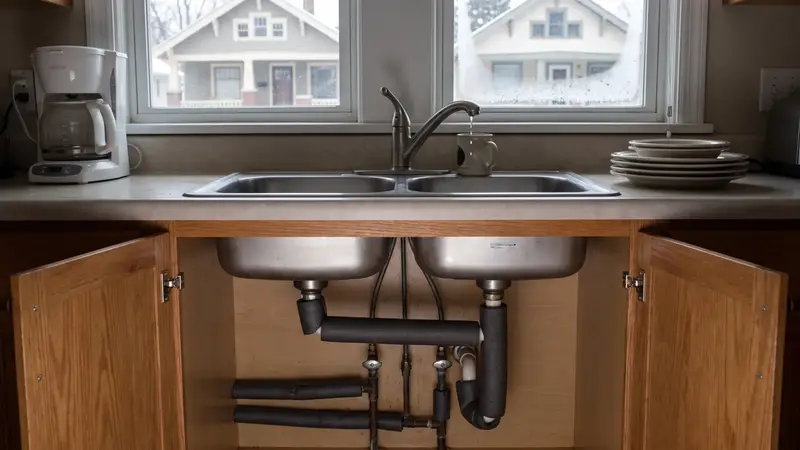 Frozen pipes: how to prevent them and what to do if they freezeHow to keep pipes from freezing and what to do if they do: insulate, let faucets drip, thaw safely with a hair…
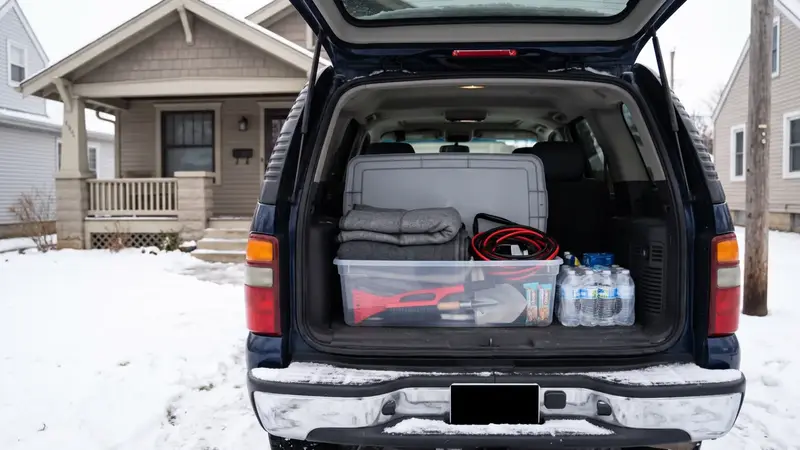 Winter car emergency kit: what to keep in your car and what to do if you're strandedWhat to keep in your car for winter and what to do if you get stranded: stay with the car, clear the exhaust p…
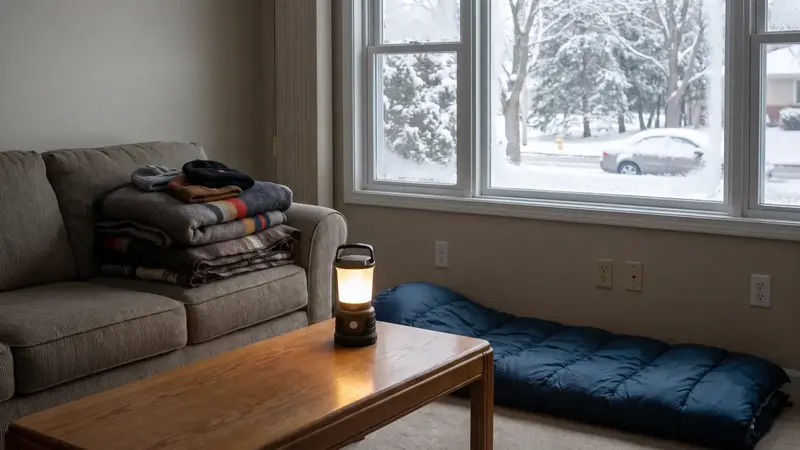 How to stay warm without power in winter, safelyStay warm in a winter power outage safely: keep heat in, dress in layers, never heat with an oven or grill, kn…
 Power outage checklist: what to do before, during and afterA calm power outage checklist from Ready.gov and CDC: what to prepare, how to protect food, medicines and medi…