Carbon monoxide poisoning: symptoms, sources, alarms and what to do
What CO poisoning feels like, who is most at risk, common sources in winter and outages, where to put CO alarms, and what to do the moment one sounds.
By PreparedStates editors · Updated October 22, 2026 · Sourced to CDC, CPSC, the U.S. Fire Administration, EPA and Ready.gov
- CDC lists the most common symptoms as headache, dizziness, weakness, upset stomach, vomiting, chest pain and confusion.
- Everyone is at risk. Infants, the elderly and people with heart disease, anemia or breathing problems are more likely to get sick.
- Never use generators, charcoal or camp stoves indoors, and never heat your home with a gas oven.
- Put battery-operated or battery backup CO alarms on every level and outside sleeping areas, and test them regularly.
- If an alarm sounds, get outside to fresh air, call 911, and do not go back in until emergency responders give you permission.
What carbon monoxide is
Carbon monoxide (CO) is an odorless, colorless gas that kills without warning, according to CDC. CDC says each year more than 400 Americans die from unintentional CO poisoning not linked to fires, more than 100,000 visit an emergency department, and more than 14,000 are hospitalized. Because you cannot see, taste or smell it, EPA says CO can kill you before you are aware it is in your home.
CO is made whenever fuel burns. CDC lists cars, trucks, small engines, stoves, lanterns, grills, fireplaces, gas ranges and furnaces, and says CO can build up indoors and poison people and animals who breathe it. CPSC adds that it comes from the incomplete burning of fuels including coal, wood, charcoal, oil, kerosene, propane and natural gas.
Symptoms of CO poisoning
CDC says the most common symptoms are the seven below, and that they are often described as flu-like. CPSC says the early symptoms of low to moderate poisoning are similar to the flu, but without the fever. CPSC warns that occupants or physicians can mistake mild to moderate CO poisoning for the flu, which sometimes results in tragic deaths.
One clue: EPA says CO can cause flu-like symptoms that clear up after leaving home. CDC says that if you breathe in a lot of CO, it can make you pass out or kill you. People who are sleeping, drunk or under the influence of other substances can die from CO poisoning before they have symptoms, and CPSC says rapid, high-level exposures such as a generator used in a residence can cause confusion and loss of muscle control with no milder warning first.
- Headache
- Dizziness
- Weakness
- Upset stomach
- Vomiting
- Chest pain
- Confusion
Who is most at risk
CDC says everyone is at risk for CO poisoning. Infants, the elderly, and people with chronic heart disease, anemia or breathing problems are more likely to get sick from CO. EPA says the effects vary greatly from person to person depending on age, overall health, and the concentration and length of exposure.
People who are asleep are a particular concern, because CDC says people who are sleeping can die from CO poisoning before they have symptoms. That is why alarm placement near bedrooms matters. Ready.gov also notes that CO can kill you, your family and pets.
Common sources in winter and outages
Outages push people toward alternative fuel and power. CDC says that when power outages occur during emergencies such as hurricanes or winter storms, using alternative sources of fuel or electricity for heating, cooling or cooking can cause CO to build up in a home, garage or camper. CPSC says heating equipment and portable generators are among the top contributors to CO deaths.
The sources to watch are listed below. For generators, CDC says to use them only outside, more than 20 feet away from any windows, doors and vents. CPSC says a gasoline-powered generator in a winter outage can produce as much CO as hundreds of cars, and suggests looking for a model that shuts off automatically when high CO concentrations are present. See our generator safety guide for the full rules.
- Generators: outdoors only, never in a home or garage, even with doors and windows open
- Charcoal grills and portable gas camp stoves: never indoors
- Gas ovens and ranges: never use them to heat your home
- Cars and trucks: never run one in an attached garage, even with the garage door open
- Furnaces, water heaters and other gas, oil or coal burning appliances: serviced every year, gas appliances vented properly
- Chimneys: checked or cleaned every year
- Unvented kerosene or gas space heaters: never in a room where people are sleeping
- Dryer, furnace, stove and fireplace vents: keep them clear of snow and debris
CO alarms: where to put them and how to test them
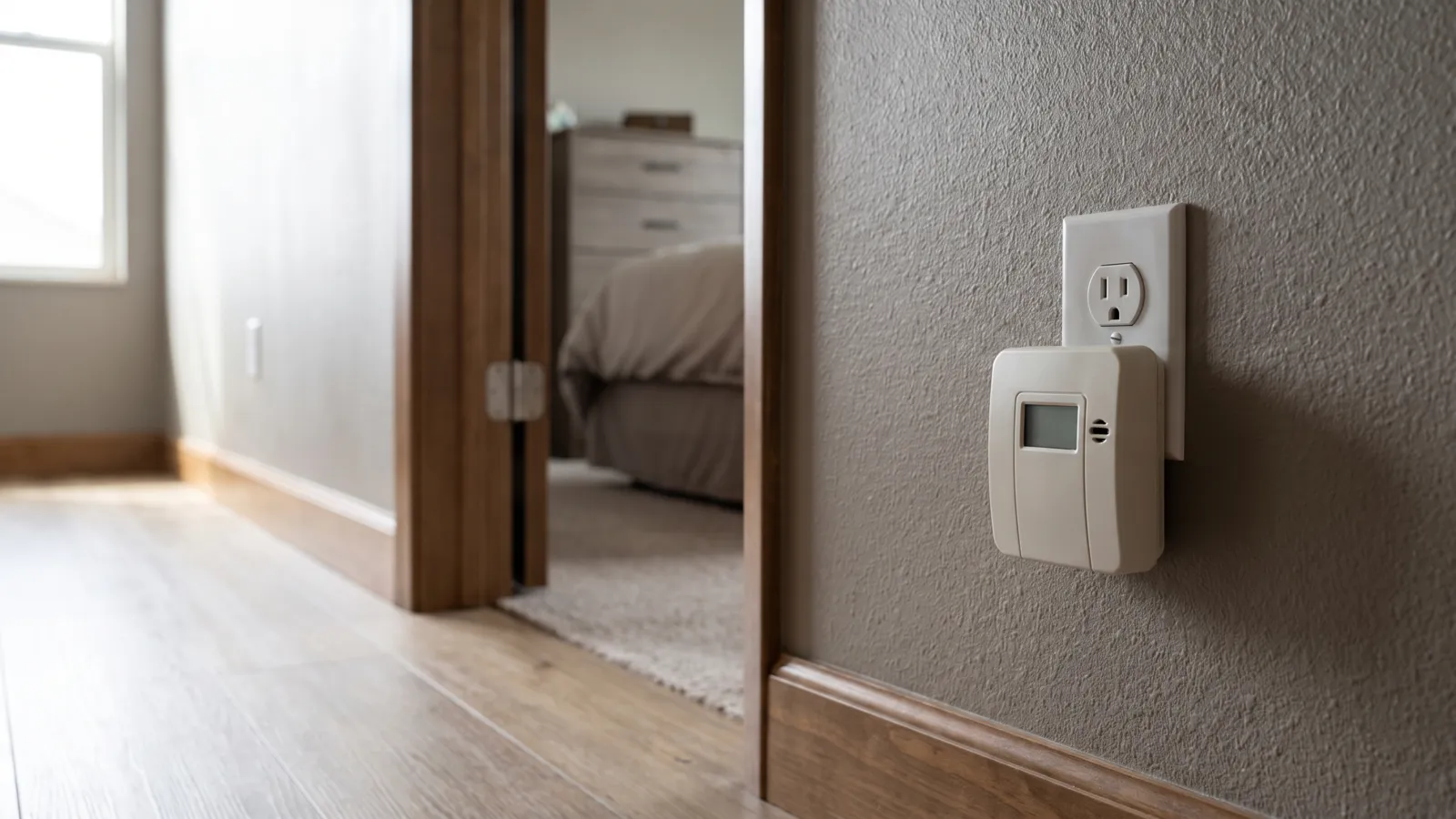
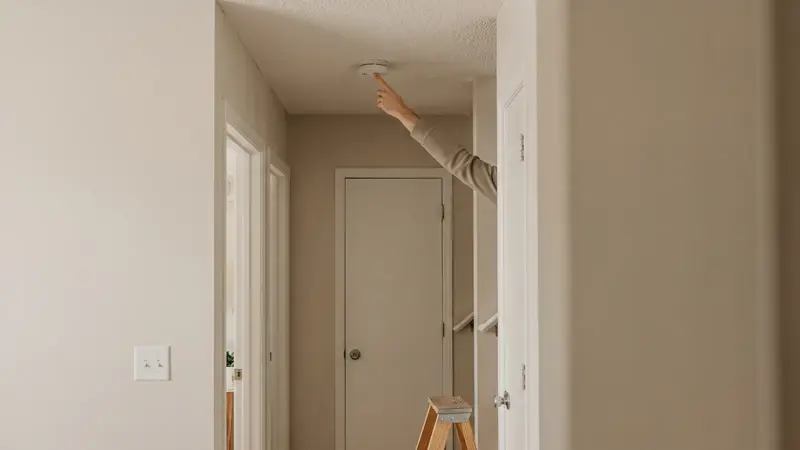
CPSC says to install battery-operated CO alarms, or alarms with battery backup, on every level of the home and outside sleeping areas, but not in attics or basements unless they include a sleeping area. USFA says to put them in a central location outside each separate sleeping area, and CDC says near every sleeping area. Ready.gov says to install detectors with battery backup in central locations on every level of your home.
CPSC says interconnected alarms are best because when one sounds, they all sound. It says to avoid spots near heating vents or where furniture or draperies can cover the alarm, and does not recommend kitchens or places above fuel-burning appliances. Alarms may go into a plug-in receptacle or high on the wall, and hard-wired or plug-in alarms should have battery backup.
CPSC says to follow the manufacturer's instructions and test CO alarms every month. EPA says to test a battery-operated unit weekly, so a weekly test meets both, and CPSC adds that the test button checks the circuitry, not the accuracy of the sensor. For batteries, CPSC says to replace them at least once every year or use alarms with sealed, 10-year batteries, and CDC says to check them when you change the clocks each spring and fall and to replace the alarm itself following the manufacturer's instructions or every 5 years. See our CO alarm comparison when you are ready to buy.
If the alarm sounds or you feel symptoms
CPSC says never to ignore a CO alarm, and not to try to find the source of the CO. Move outside to fresh air immediately, then call emergency services, the fire department or 911. After calling, do a head count to check that everyone is accounted for.
CPSC says not to go back in until emergency responders give you permission, because you could lose consciousness and die in the home. If you feel symptoms and have no alarm, or your alarm is not going off, CPSC says to get outside to fresh air immediately, leave the home and call your fire department from a neighbor's home. It also says to contact a doctor right away for a proper diagnosis, and to say you suspect CO poisoning.
CDC says that if someone shows signs of CO poisoning, call 911 or your local Poison Control Center at 1-800-222-1222 or consult a health care professional right away. If a malfunctioning appliance is the source, CPSC says not to operate it until trained personnel have serviced it. If you are allowed back in and the alarm reactivates within 24 hours, CPSC says to repeat the steps and call a qualified appliance technician.
Reduce the risk before the next outage
CDC says to have your heating system, water heater and any other gas, oil or coal burning appliances serviced by a qualified technician every year, and to have your chimney checked or cleaned every year. USFA says to make sure vents for the dryer, furnace, stove and fireplace are clear of snow and other debris. CDC also says to use a battery-powered or battery backup CO detector whenever you run a generator.
Our power outage checklist covers the rest of your outage plan. For heater-specific rules, see space heater safety.
CPSC says never to ignore an alarming CO alarm and not to try to find the source of the CO. Move outside to fresh air, call 911 or your fire department, and do a head count. Do not go back inside until emergency responders give you permission.
Common questions
What are the symptoms of carbon monoxide poisoning?
CDC lists headache, dizziness, weakness, upset stomach, vomiting, chest pain and confusion, and says they are often described as flu-like. People who are sleeping can die before they have symptoms.
Can you smell carbon monoxide?
No. CDC calls it an odorless, colorless gas that kills without warning, and EPA says you cannot see, taste or smell it.
Where should I put carbon monoxide alarms?
CPSC says on every level of the home and outside sleeping areas, not in attics or basements unless they include a sleeping area. Avoid kitchens, places above fuel-burning appliances and spots near heating vents.
How often should I test a CO alarm?
Follow your alarm's instructions, as CPSC advises. CPSC says to test every month and EPA says to test battery-operated units weekly, so a weekly test meets both. CDC also says to check the batteries when you change your clocks each spring and fall.
What should I do if my CO alarm goes off?
CPSC says to move outside to fresh air immediately, call emergency services, the fire department or 911, and not go back in until responders give permission. Do not try to find the source.
Is it safe to run a car in the garage with the door open?
No. CDC says never to run a car or truck inside a garage attached to a house, even with the garage door open. Its power outage page also says never to leave the motor running in a vehicle parked in an enclosed or partially enclosed space, such as a garage.
Sources (11)
- CDC: Carbon Monoxide Poisoning Basics
- CDC: Protect Yourself During a Power Outage
- CPSC: Carbon Monoxide Fact Sheet
- CPSC: CO Alarms
- CPSC: Home Heating Equipment and CO
- CPSC: Keep Warm and Safe This Winter
- CPSC: Winter Storms Safety Tips
- USFA: Carbon Monoxide Safety
- EPA: Carbon Monoxide's Impact on Indoor Air Quality
- EPA: Where Should I Place a Carbon Monoxide Detector
- Ready.gov: Power Outages
Get one calm email when it matters
Seasonal checklists and gear price drops. No spam, unsubscribe any time.
Keep reading
 Portable generator safety: where to run it, carbon monoxide and cordsHow to use a portable generator safely in an outage: 20 feet from windows, never in a garage, CO alarms, outdo…
 Space heater safety: clearance, plugs and what to do in a winter power outageHow to use a space heater safely: keep it 3 feet from anything that can burn, plug it into the wall, never run…
 Power outage checklist: what to do before, during and afterA calm power outage checklist from Ready.gov and CDC: what to prepare, how to protect food, medicines and medi…
 Smoke alarm placement: where to put them, how to test them and when to replace themWhere to put smoke alarms: every level, inside each bedroom and outside sleeping areas, plus testing, batterie…