Emergency preparedness for older adults: how to make a plan and a kit
How older adults can prepare for emergencies: assess needs, build a support network, plan for medicines and devices, stock a kit and prepare for heat and cold.
By PreparedStates editors · Updated October 22, 2026 · Sourced to Ready.gov, the Red Cross, the CDC and the National Institute on Aging
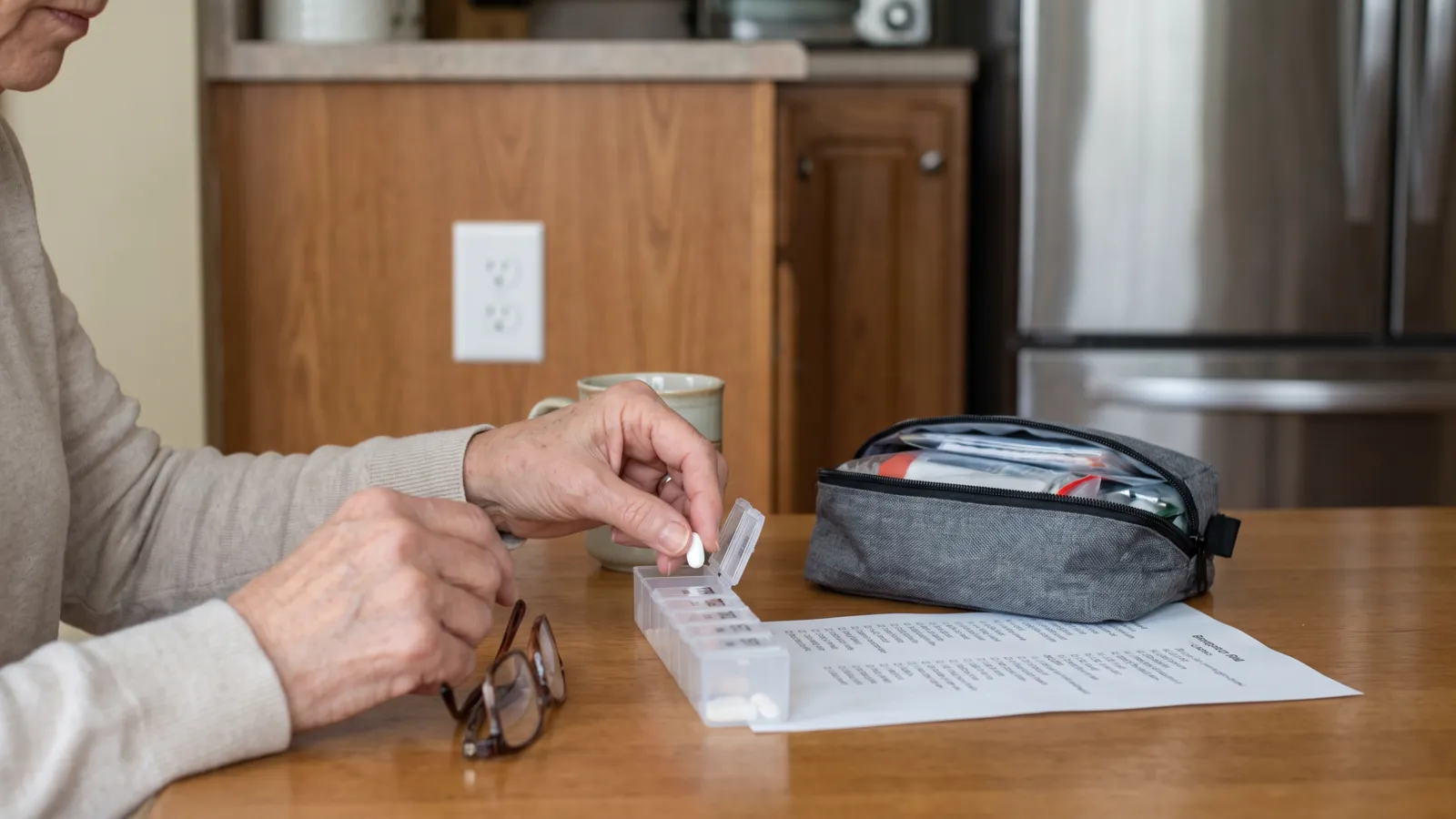
- Follow Ready.gov's three steps: assess your needs, make a plan and engage your support network of family, friends, neighbors and caregivers.
- Keep a list of your medicines and an emergency supply; the Red Cross says at least 30 days of medications.
- If you use electric medical equipment, talk to your doctor about a power outage plan and ask your power provider about priority restoration.
- At least one person in your support network should have an extra key, know where your supplies are and know how to use lifesaving equipment.
- Set heat to at least 68°F: the National Institute on Aging says even homes at 60 to 65°F can lead to hypothermia in older adults.
Why older adults should have their own emergency plan
Ready.gov says that as an older adult, you may have specific needs after a disaster, and that simple, low-cost steps can help you get better prepared. Its Disaster Preparedness Guide for Older Adults, written to support older adults and their caregivers, breaks the job into three steps: assess your needs, create a plan and engage your support network. The Red Cross adds that your medical, physical and cognitive needs may affect your ability to respond to a disaster or emergency.
Weather brings its own risks. Ready.gov lists older adults among those at greater risk in a winter storm, the CDC says people aged 65 or older are more prone to heat-related health problems, and the National Institute on Aging (NIA) says older adults have a higher chance of being affected by cold weather. This guide repeats what these official pages say, so talk to your doctor about your own health.
Start by assessing your needs
Ready.gov's guide opens with questions to ask yourself. The Red Cross frames the exercise this way: consider what you would need if the power went out, if you had to stay home for two weeks or more, or if you had to evacuate your home or community. Then talk about the help you may need and who could assist you.
The Ready.gov guide adds extra questions for older adults with disabilities, with limited resources and in rural areas. Rural readers are asked about their plan if they lose cell phone or internet reception, whether they have a reliable means of transportation if evacuation becomes necessary, and whether they have enough supplies at home in case they cannot access services for a while.
- Medical conditions or dietary needs that call for specific care or medication
- Mobility challenges or disabilities to plan for
- Safety of a pet or service animal
- Communication with neighbors and local emergency services
- Help to transport your emergency supplies
- Help putting together a plan and a kit
- Translation services
Medicines, medical devices and health information
The Red Cross says to keep at least 30 days of medications and extra assistive items such as a cane or eyeglasses. Ready.gov's kit list for older adults is shorter, with a few days' worth of medicine and medical supplies if possible, and its disability page says to talk to your doctor or pharmacist about how you can create an emergency supply of medicines. It also says to keep a list of your prescription medicines with your diagnosis, dosage, frequency, medical supply needs and allergies.
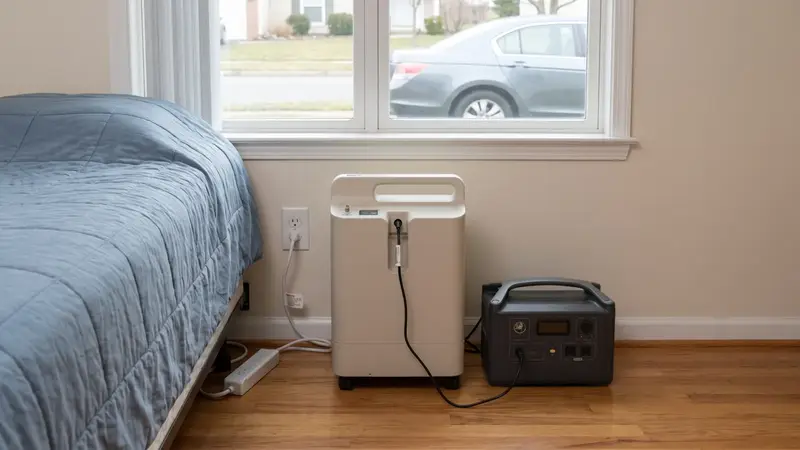
If you use medical equipment that needs electricity, Ready.gov says to talk to your doctor or health care provider about what you may be able to do to keep it running during a power outage. You can also ask your power provider to put you on a list for priority power restoration. The Red Cross says to make a backup plan if you need power to operate medical devices or keep medicines cold, and Ready.gov says to plan for batteries and other alternative power sources, such as a portable charger or power bank. Our guide to medical devices in a power outage lists the questions to ask.
Ready.gov's guide says to include assistive devices such as hearing aids and mobility aids, with spare batteries, in your kit. Its disability page says to wear medical alert tags or bracelets, to add pertinent medical information to your electronic devices, and to buy an extra battery for a power wheelchair or other battery-operated medical or assistive device. The Red Cross says to keep an up-to-date list of conditions, allergies, medications, prescription records, doctors and insurance cards, and Ready.gov suggests a cooler and chemical ice packs to chill medicines that need to be refrigerated. Its power outage page says to find out how long your medication can be stored at higher temperatures and, if the power is out for more than a day, to discard any medication that should be refrigerated unless the drug's label says otherwise and consult your doctor or pharmacist immediately for a new supply.
Your kit, documents and benefits
Ready.gov's guide for older adults suggests stocking your emergency kit with items like those below. For the full basic list, see our emergency kit checklist, and compare first aid kits and flashlights and lanterns.
The Red Cross says to collect and copy documents including identifications, financial, legal and medical papers you will need to help you recover. Ready.gov's guide suggests organizing key financial and insurance documents in a waterproof container that is easily accessible and portable, and our document safe comparison covers storage options.
A disaster can disrupt mail service for days or weeks, Ready.gov says. If you depend on Social Security or other regular benefits, it calls switching to electronic payments a simple, important way to protect yourself financially, through direct deposit to a checking or savings account or a prepaid debit card, which it calls a safe and easy alternative to paper.
- Water: one gallon per person per day for several days
- Food: at least a several-day supply of non-perishable food
- Flashlight, extra batteries and a whistle
- First aid kit
- Medicine and medical supplies, plus a complete list of medications and your doctors' phone numbers
- Copies of Medicare, Medicaid and insurance policies
- Personal documents such as ID, kept up to date
- Cell phone with chargers and a backup battery
Staying informed and getting help to evacuate
Ready.gov says to know what disasters could affect your area, which could call for an evacuation and when to shelter in place, and to plan for both cases. It says to keep a NOAA Weather Radio tuned to your local emergency station and to monitor TV and radio for warnings. Without a smartphone, its guide says certain radio and television stations broadcast emergency messages from local authorities through the Emergency Alert System, and the National Weather Service broadcasts warnings you can receive with a special receiver. Compare weather radios.
If you need help evacuating, the Red Cross says to plan who will help you and to find out if there are local registries and sign up. Ready.gov says to plan for transportation if you need help evacuating and to plan how you will have your assistive devices with you. If you are unable to evacuate, its guide says to get inside, find a safe spot and stay put until local officials say the threat has passed.
Heat and cold: what the official pages say for older adults
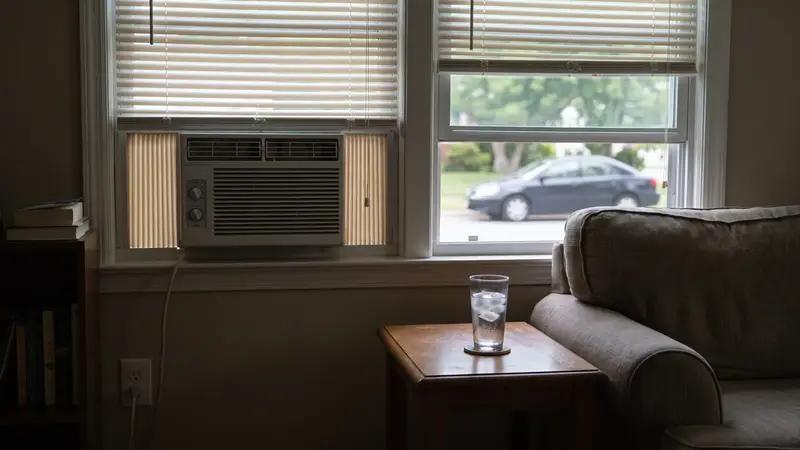
The CDC says older adults do not adjust as well as young people to sudden changes in temperature. They are more likely to have a chronic medical condition that changes normal body responses to heat, and more likely to take prescription medicines that affect the body's ability to control its temperature or sweat. The CDC says to stay in air-conditioned buildings as much as possible and not to rely on a fan as your main cooling source when it is really hot outside, and the NIA says to ask your doctor whether any of your medications make you more likely to become overheated. See our extreme heat safety guide.
For cold, the NIA says to set your heat to at least 68°F, and warns that even mildly cool homes at 60 to 65°F can lead to hypothermia in older adults. The CDC says older adults often make less body heat because of a slower metabolism and less physical activity. If you are over 65, it says to keep an easy-to-read thermometer where you will see it often and to check the temperature of your home often during the winter months. The NIA also says to ask someone to check on you during cold weather and, if a power outage leaves you without heat, to try to stay with a relative or friend.
The NIA says hypothermia, when core body temperature drops below 95°F, is a medical emergency: if someone shows signs, call 911 right away. Signs include cold feet and hands, shivering, slowed or slurred speech, and feeling sleepy, angry or confused. The CDC also says the elderly are more likely to get sick from carbon monoxide, and our guide to winterizing your home covers alarm checks and heating equipment.
The National Institute on Aging says changes that come with aging can make it harder to notice your body becoming too cold, and that even mildly cool homes, at 60 to 65°F, can lead to hypothermia in older adults. A thermometer you can see and a person who checks on you are simple safeguards. This guide repeats what official pages say and is not medical advice, so ask your doctor about your own health.
Common questions
What should be in an emergency kit for older adults?
Ready.gov's list for older adults includes water, non-perishable food, a flashlight, a first aid kit, extra batteries, a whistle, medicine and medical supplies, copies of Medicare, Medicaid and insurance policies, and a list of medications and doctors' phone numbers. Add assistive devices such as hearing aids and mobility aids, with spare batteries, if you use them.
How much medicine should I keep on hand?
The Red Cross says to keep at least 30 days of medications, while Ready.gov's kit list says a few days' worth if possible. Ready.gov also suggests asking your doctor or pharmacist how to create an emergency supply of medicines.
What if I use electric medical equipment?
Ready.gov says to talk to your doctor or health care provider about what you can do to keep it running during a power outage. You can also ask your power provider to put you on a list for priority power restoration.
How can I get emergency alerts without a smartphone?
Ready.gov says certain radio and television stations broadcast emergency messages through the Emergency Alert System, and a special receiver can pick up National Weather Service warnings. It also suggests connecting with local community groups such as neighborhood watches or houses of worship.
What if I cannot evacuate on my own?
Plan ahead for who will help you, and ask about local registries for people who need help evacuating. If you are unable to leave, Ready.gov says to get inside, find a safe spot and stay put until local officials say the threat has passed.
What indoor temperature is safe for an older adult in winter?
The National Institute on Aging says to set your heat to at least 68°F, and warns that homes at 60 to 65°F can lead to hypothermia in older adults. The CDC says people over 65 should keep a thermometer where they will see it often.
Sources (12)
- Ready.gov: Older Adults
- Ready.gov: Disaster Preparedness Guide for Older Adults (PDF)
- Ready.gov: People with Disabilities and Access and Functional Needs
- Ready.gov: Power Outages
- Ready.gov: Winter Weather
- American Red Cross: Emergency Preparedness for Older Adults
- National Institute on Aging: Cold Weather Safety for Older Adults
- National Institute on Aging: Hot Weather Safety for Older Adults
- CDC: Heat and Older Adults (Aged 65+)
- CDC: Preparing for a Winter Storm
- CDC: Safety Guidelines During and After a Winter Storm
- CDC: Carbon Monoxide Poisoning Basics
Get one calm email when it matters
Seasonal checklists and gear price drops. No spam, unsubscribe any time.
Keep reading
 Power outage plan for electric medical devices and refrigerated medicinesHow to plan for a power outage if you use electric medical devices or refrigerated medicine: questions to ask,…
 How to make a family emergency plan: steps, questions and a communication planHow to make a family emergency plan: Ready.gov's four steps, the questions to ask, a communication plan, meeti…
 Extreme heat safety: heat exhaustion vs heat stroke and how to stay cool in a power outageHeat exhaustion vs heat stroke signs and what to do, why a fan is not enough when it is very hot, heat alert t…
 Winter storm preparedness checklist: before, during and afterA plain-English winter storm checklist: watch vs warning, home prep, supplies, staying warm, shoveling and car…