How to winterize your home: a checklist to finish before cold weather
How to winterize your home before cold weather: seal drafts, insulate, service the furnace and chimney, protect pipes, test alarms and stock outage supplies.
By PreparedStates editors · Updated October 22, 2026 · Sourced to Ready.gov, the CDC, the Department of Energy, the US Fire Administration, the National Institute on Aging and the Red Cross
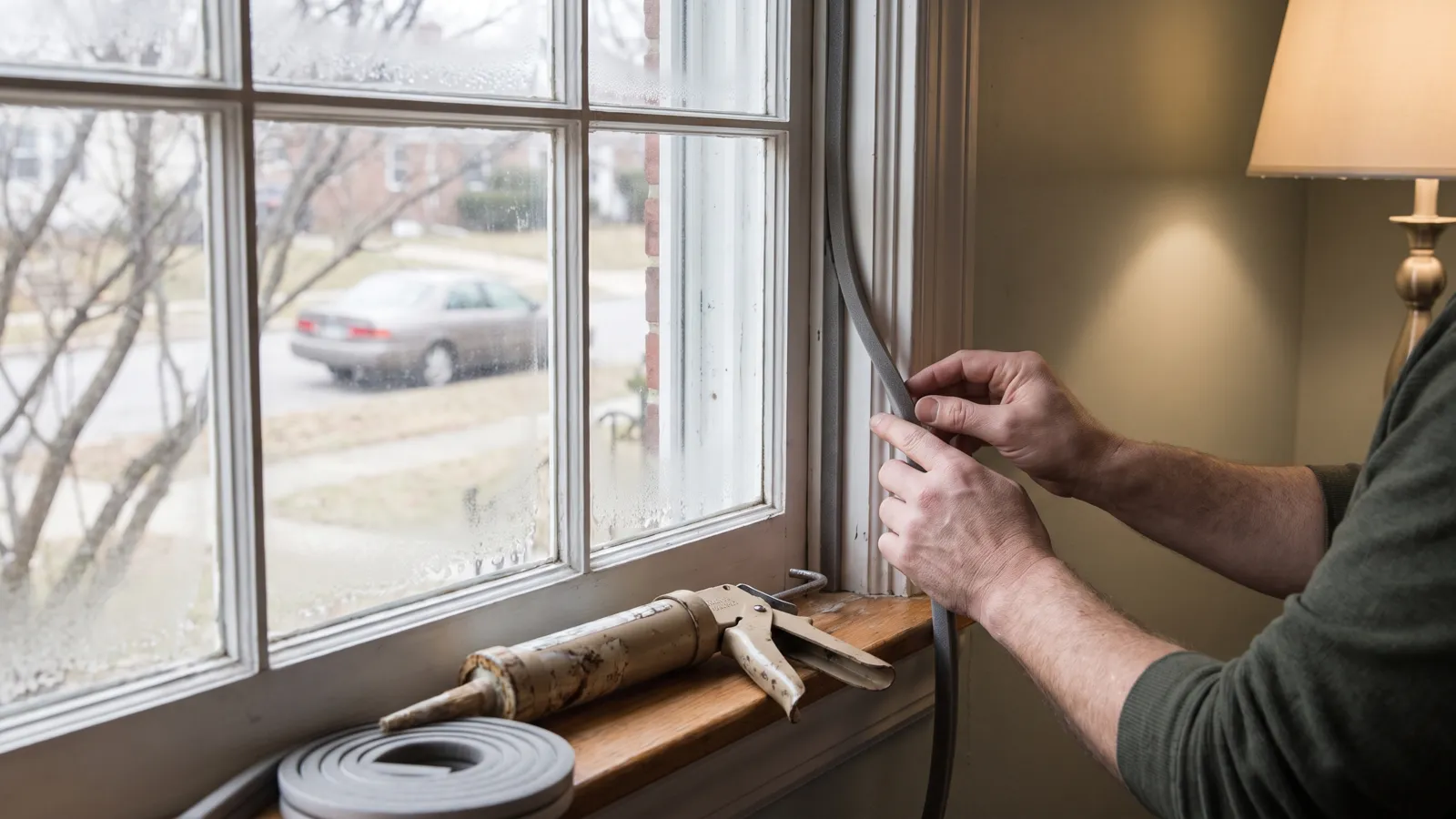
- Seal air leaks with caulk (for stationary gaps) and weatherstripping (for doors and windows that move), and insulate the attic and walls.
- Have a professional clean and inspect heating equipment and chimneys each year. Keep anything that can burn at least 3 feet from heat sources.
- Insulate any water lines that run along exterior walls so they are less likely to freeze.
- Install smoke and battery-operated carbon monoxide alarms, test them monthly and replace batteries twice a year.
- Stock supplies for several days without power; the Red Cross suggests at least two weeks of supplies for a stay-at-home kit.
What a winter storm can do, and the jobs to finish first
Ready.gov says a winter storm can last a few hours or several days and can cut off heat, power and communication services. The CDC adds that winter storms can bring icy roads along with cold temperatures, and it tells you to get your home ready before one hits. Ready.gov says Winter Storm Watches are usually issued 12 to 48 hours before a storm begins, which is not long for a big job.
The official lists come down to a short set of home jobs. Each one is covered below, with the source behind it.
- Seal drafts with caulk and weatherstripping
- Insulate walls, attic and exposed water lines
- Service the furnace and inspect the chimney
- Test smoke and carbon monoxide alarms
- Stock supplies for several days without power
- Repair roof leaks and trim branches that could fall
Seal drafts with caulk and weatherstripping
The Department of Energy says caulk is generally used for cracks and openings between stationary parts of a house, such as around door and window frames. Weatherstripping is used to seal parts that move, such as doors and operable windows. It calls the two simple and effective air-sealing techniques that often pay for themselves in one year or less.
Look beyond the obvious spots. The Department of Energy's home energy checklist says the worst culprits are usually not windows and doors, but utility cut-throughs for pipes, gaps around chimneys and recessed lights in insulated ceilings, and unfinished spaces behind cupboards and closets. It says to start with the largest leaks, the ones that whistle on windy days or feel drafty.
For a do-it-yourself job, its air sealing guide lists caulk, spray foam and weatherstripping as the usual materials. Do-it-yourself work suits obvious leaks, such as around door frames and exterior wall openings for pipes, vents and wires, but it will not work for small and hard to detect leaks. For flues, vents and pipes tied to chimneys, furnaces and water heaters, the guide recommends a professional contractor.
Add insulation and cover cold windows
The CDC's winter checklist says to insulate walls and the attic, and to install storm or thermal-pane windows or cover windows with plastic from the inside. The Department of Energy's checklist adds a no-cost habit: in winter, open curtains on south-facing windows during the day to let sunlight heat your home, and close them at night to reduce the chill from cold windows.
How much insulation you need depends on where you live. The Department of Energy says insulation's resistance to heat flow is measured by R-value, and that insulation solutions may change depending on your climate zone. It also notes that meeting the ceiling R-value in an uninsulated attic may only require adding more insulation. Its air sealing guide explains why you want both: insulation is like a sweater that keeps you warm but does not block the wind, and air sealing acts like a windbreaker.
The same checklist says to insulate heating ducts in unheated areas such as attics and crawlspaces. If you are unable to afford your heating costs, weatherization or energy-related home repairs, Ready.gov points you to the Low Income Home Energy Assistance Program (LIHEAP) for help.
Service the heating system and inspect the chimney
The US Fire Administration says to maintain heating equipment and chimneys by having them cleaned and inspected each year by a professional. The CDC says to have your furnace system and vent checked by a qualified technician each winter season. If you plan to use a fireplace or wood stove for emergency heating, it says to have the chimney or flue inspected each year.
Chimney care is about carbon monoxide (CO) as well as fire. The CDC says to have your chimney checked or cleaned every year, because chimneys can be blocked by debris, which can cause CO to build up inside your home. Ready.gov says to inspect and clean woodstove pipes and chimneys annually and check monthly for damage or obstructions, and the CDC says all fuel-burning equipment should be vented to the outside.
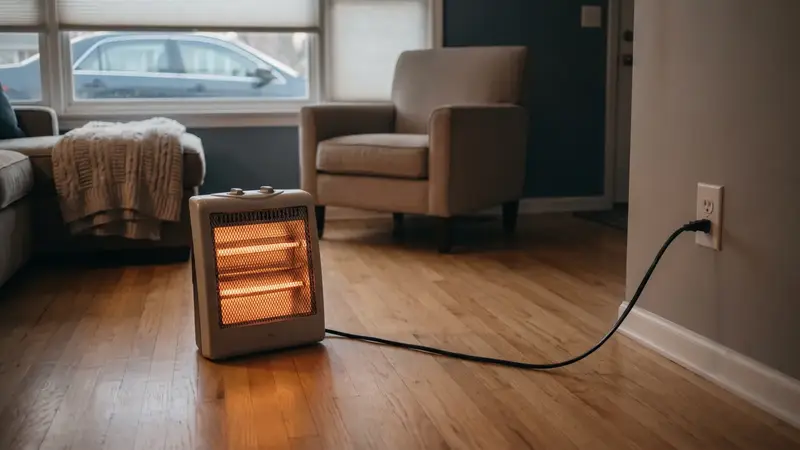
Keep clear space around anything that gives off heat. The US Fire Administration says to keep anything that can burn at least 3 feet from fireplaces, wood stoves, radiators, space heaters or candles, and never to use an oven to heat your home. The Department of Energy also says your furnace or heat pump should get professional maintenance each year, and that you should clean or replace its filters. Our space heater safety guide covers portable units.
Protect your pipes before the first hard freeze
The CDC says to insulate any water lines that run along exterior walls so your water supply is less likely to freeze. Ready.gov and the Red Cross both list learning how to keep pipes from freezing as part of getting ready for winter. Our frozen pipes guide covers outdoor lines, thawing and what to do if a pipe bursts.
When very cold weather is expected, the CDC says to leave all water taps slightly open so they drip continuously and to keep your home warm. It also says to open the cabinet doors beneath kitchen and bathroom sinks so heated air can reach the pipes. If a pipe does freeze, it says not to thaw it with a torch but slowly with warm air from an electric hair dryer. Ready.gov's kit list includes a wrench or pliers to turn off utilities; see our guide to shutting off utilities.
Test smoke alarms and carbon monoxide alarms
Ready.gov says to install and test smoke alarms and carbon monoxide detectors with battery backups. If you will use a fireplace, wood stove or kerosene heater, the CDC says to put a smoke detector and a battery-operated carbon monoxide detector near the area to be heated, test them monthly and replace batteries twice a year. Ready.gov says smoke alarms belong on every level of your home, including the basement, and the entire unit should be replaced every 10 years or according to the manufacturer's instructions.
For carbon monoxide, the CDC says to install battery-operated or battery back-up detectors near every sleeping area, and Ready.gov says to put working detectors on every level of your home. The CDC says to replace a CO detector following the manufacturer's instructions or every 5 years, and to check the batteries when you change your clocks each spring and fall. See our carbon monoxide alarm comparison and smoke alarm placement guide.
Keep a fire extinguisher nearby too. The CDC's checklist calls for a multipurpose, dry-chemical fire extinguisher, and our fire extinguisher comparison covers the options.
Stock supplies for a winter power outage
Ready.gov says to gather supplies in case you need to stay home for several days without power, keeping in mind each person's specific needs, including medication, and the needs of your pets. The Red Cross suggests organizing supplies into a Go-Kit with at least three days of supplies you can carry and a Stay-at-Home Kit with at least two weeks of supplies. It says to set aside at least one gallon of drinking water per person per day and to have a 1-month supply of needed medications and medical supplies.
To stay in touch and see in the dark, the Red Cross lists a backup battery or a way to charge your cell phone and a battery-powered radio. Ready.gov adds extra batteries for radios and flashlights, and the CDC suggests battery-powered flashlights or lanterns rather than candles, if possible. Compare weather radios, flashlights and lanterns and power banks.
Plan a way to stay warm that does not need power. The CDC says to have at least one backup heat source, such as extra blankets, sleeping bags and warm winter coats, or a fireplace that is up to code with plenty of dry firewood. It also says turning on the stove for heat is not safe. The Red Cross says to know where you would go if your home becomes too cold, such as a friend's house, a public library or a warming center, and our guide to staying warm without power has the details.
Roof, trees and walkways
The CDC says to repair roof leaks and cut away tree branches that could fall on your home or other structures during a storm. The Red Cross says to have a snow shovel and ice-melting products to keep walkways safe. Ready.gov says to reduce the risk of a heart attack by avoiding overexertion when shoveling snow and walking in the snow. For what to do once the storm arrives, see our winter storm preparedness checklist.
The Department of Energy says air sealing and ventilation go hand in hand. If combustion appliances do not get enough oxygen, it warns, they may release dangerous gases such as carbon monoxide into the home. Its guide says ensuring proper ventilation is another reason to hire a professional home energy auditor or a certified HVAC contractor.
Common questions
When should I winterize my house?
Before a storm is forecast, not after. Ready.gov says Winter Storm Watches are usually issued 12 to 48 hours before a winter storm begins, so finish the sealing, servicing and stocking while you have time.
What is the difference between caulk and weatherstripping?
Per the Department of Energy, caulk goes in cracks and openings between parts of the house that do not move, such as around door and window frames. Weatherstripping seals parts that move, such as doors and operable windows.
How often should I have my furnace and chimney checked?
Every year. The CDC says to have your furnace system and vent checked each winter season by a qualified technician, and the US Fire Administration says to have heating equipment and chimneys cleaned and inspected each year by a professional.
Is it safe to heat my home with the oven or stove?
No. Ready.gov and the US Fire Administration both say never to use an oven to heat your home. Ready.gov adds that gas stoves are especially dangerous as heat sources because dangerous levels of carbon monoxide could build up.
Can I get help paying for weatherization?
Ready.gov points to LIHEAP, the Low Income Home Energy Assistance Program, for people who cannot afford heating costs, weatherization or energy-related home repairs. The National Institute on Aging also suggests contacting your local Weatherization Assistance Program.
How many days of supplies do I need for a winter outage?
Ready.gov says to plan to stay home for several days without power. The Red Cross suggests at least three days of supplies in a go-kit you can carry and at least two weeks in a stay-at-home kit.
Sources (12)
- Ready.gov: Winter Weather
- CDC: Preparing for a Winter Storm
- CDC: Safety Guidelines During and After a Winter Storm
- CDC: Carbon Monoxide Poisoning Basics
- US Fire Administration: Heating Fire Safety
- Department of Energy: Insulation and Air-Sealing Essentials
- Department of Energy: Home Energy Checklist
- Department of Energy: Consumer Guide to Air Sealing the Home (PDF)
- Ready.gov: Home Fires
- Ready.gov: Build a Kit
- American Red Cross: Winter Storm Safety
- National Institute on Aging: Cold Weather Safety for Older Adults
Get one calm email when it matters
Seasonal checklists and gear price drops. No spam, unsubscribe any time.
Keep reading
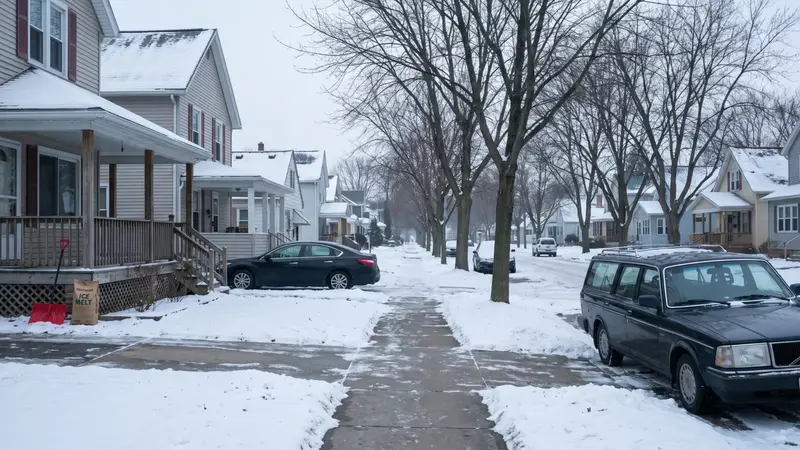 Winter storm preparedness checklist: before, during and afterA plain-English winter storm checklist: watch vs warning, home prep, supplies, staying warm, shoveling and car…
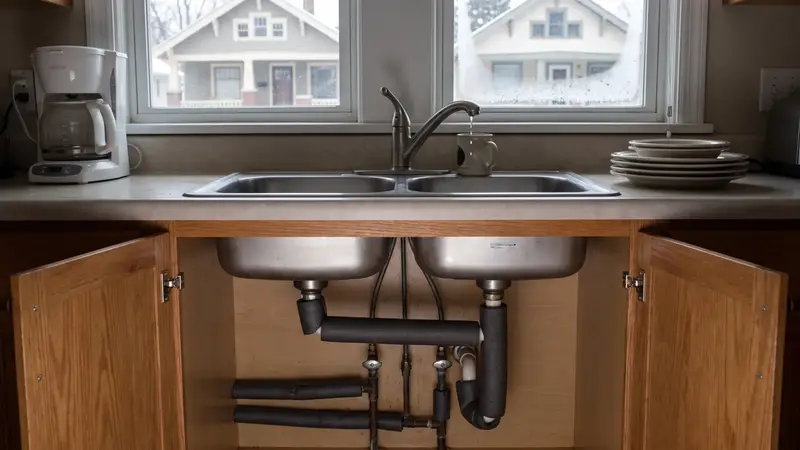 Frozen pipes: how to prevent them and what to do if they freezeHow to keep pipes from freezing and what to do if they do: insulate, let faucets drip, thaw safely with a hair…
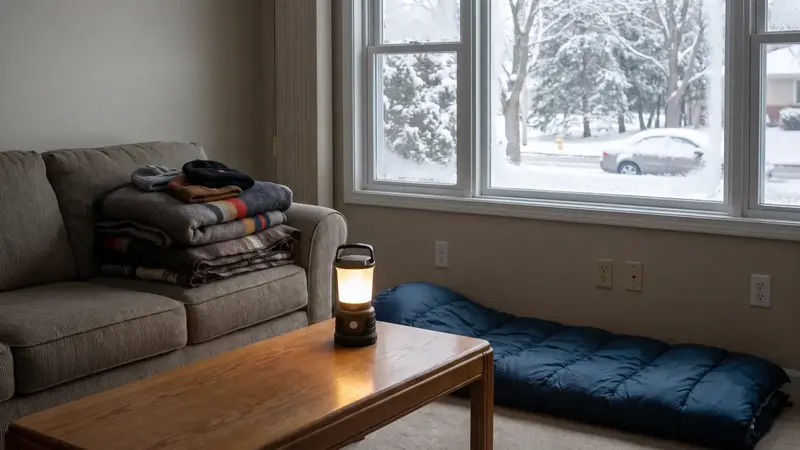 How to stay warm without power in winter, safelyStay warm in a winter power outage safely: keep heat in, dress in layers, never heat with an oven or grill, kn…
 Space heater safety: clearance, plugs and what to do in a winter power outageHow to use a space heater safely: keep it 3 feet from anything that can burn, plug it into the wall, never run…