Potassium iodide (KI): what it does, who should take it and when
What potassium iodide does in a nuclear emergency, why to take it only when officials say so, who it's for, and which KI products the FDA has approved without a prescription.
By Tom Calder · Updated October 24, 2026 · Sourced to FDA and CDC
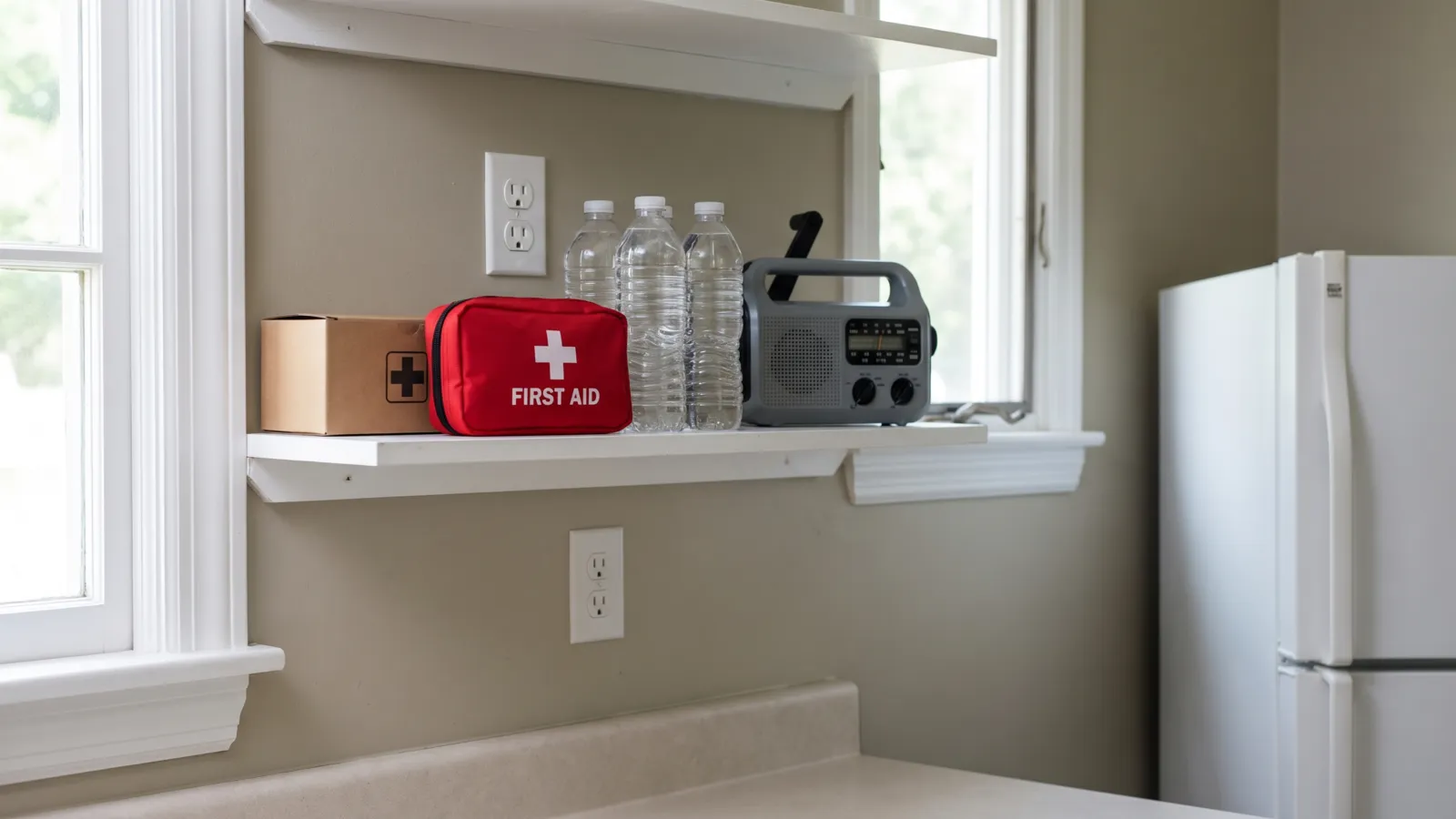
- Potassium iodide (KI) blocks radioactive iodine from being taken up by the thyroid. It protects only the thyroid, from only that one material.
- CDC says not to take KI unless public health or emergency officials, or a healthcare provider, tell you to.
- It works best taken within 24 hours before or 4 hours after exposure, and one dose protects for about 24 hours.
- Use only FDA-approved KI. Iodized salt, iodine-rich foods and iodine supplements are not substitutes.
- Getting inside a sturdy building is the main protection in a nuclear emergency, not KI.
What potassium iodide does
Some nuclear emergencies, such as a reactor accident or a nuclear detonation, release radioactive iodine. The thyroid absorbs iodine and can't tell the radioactive kind from the ordinary kind. The FDA explains that KI floods the thyroid with non-radioactive iodine and prevents the uptake of the radioactive molecules, which are then excreted in the urine. Taken in the recommended dose, the FDA says, KI is effective in reducing the risk of thyroid cancer in people at risk of breathing in or swallowing radioactive iodine.
That's all it does. The FDA says KI works only to prevent the uptake of radioactive iodine into the thyroid gland and is not a general radioprotective agent. CDC adds that it does not protect other parts of the body and cannot reverse damage already done to the thyroid.
Only take it when you're told to
CDC's first rule is not to take KI unless instructed by public health or emergency response officials or a healthcare provider, and it warns that KI can have harmful effects when used incorrectly. Officials know whether radioactive iodine has been released, where it's going and who needs to take KI, which is why the decision isn't left to individuals.
Timing matters. CDC says KI must be taken within 24 hours before or 4 hours after exposure to be most effective, and the FDA says that since KI protects for approximately 24 hours, it should be dosed daily until the risk no longer exists. Officials will tell you when to start and stop.
Who it's for
CDC says KI is recommended only for people under 40 and women who are pregnant or breastfeeding. Dosing depends on age: CDC publishes a single-dose table by age group, from infants (who take the oral solution) to adults. Follow officials' instructions and the package.
CDC notes that KI can cause side effects, including allergic reactions. If you have an iodine allergy or thyroid disease, ask your doctor ahead of time whether KI is right for you.
Which products to buy, and what isn't a substitute
CDC says to use only KI products approved by the FDA. The FDA lists these as approved and available without a prescription: iOSAT 130 mg and 65 mg tablets from Anbex, ThyroSafe 65 mg tablets, and a 65 mg/mL potassium iodide oral solution from Mission Pharmacal. Many 'potassium iodide' tablets sold online are supplements, not approved products. Our potassium iodide tablets page lists only the approved ones.
CDC says not to use table salt or foods that contain iodine as a substitute for KI: they don't help, and eating large amounts could be harmful. It also says dietary supplements containing iodine may not work.
KI is not the main protection
Ready.gov's advice for any radiation emergency is to get inside, stay inside and stay tuned. Shelter in a basement or the center of a large brick or concrete building protects your whole body from fallout; KI protects one gland from one material. Our fallout shelter guide covers where to go and for how long.
Taking KI when you don't need it, or more than the recommended dose, won't help and can cause harm: CDC says KI can have harmful effects when used incorrectly. Store it, check the expiration date, and wait for officials' instructions.
Common questions
When should I take potassium iodide?
Only when public health or emergency officials, or a healthcare provider, tell you to. CDC says it works best within 24 hours before or 4 hours after exposure to radioactive iodine.
Does potassium iodide protect against all radiation?
No. The FDA says KI works only to prevent radioactive iodine from being taken up by the thyroid and is not a general radioprotective agent. CDC says it doesn't protect other parts of the body.
Who should take potassium iodide?
CDC says KI is recommended only for people under 40 and women who are pregnant or breastfeeding, and only when officials say so.
Is potassium iodide available without a prescription?
Yes. The FDA says KI is available without a prescription, and lists iOSAT 130 mg and 65 mg tablets, ThyroSafe 65 mg tablets and a 65 mg/mL oral solution as approved products.
Can I use iodized salt instead?
No. CDC says table salt and iodine-containing foods are not substitutes for KI, and eating large amounts could be harmful.
Get one calm email when it matters
Seasonal checklists and gear price drops. No spam, unsubscribe any time.
Keep reading
 Fallout shelter: where to shelter after a nuclear explosionWhere to shelter after a nuclear explosion in an ordinary home or building: Ready.gov's get inside, stay insid…
 Emergency kit checklist: what to include, how much to keep and where to store itA plain-English emergency kit checklist built on Ready.gov's basic kit and extra items, with how many days of …
 How to make a family emergency plan: steps, questions and a communication planHow to make a family emergency plan: Ready.gov's four steps, the questions to ask, a communication plan, meeti…
 Hurricane preparedness checklist: what to do before, during and after a stormHurricane season dates, watch vs warning, how to find your evacuation zone, storm surge, supplies, and what to…