Is a cold November ahead because the polar vortex is acting up early?
A headline asks if an early polar vortex disruption means a cold November. NOAA's outlook favors a warmer north. What it says, and a short checklist for your heat.
By Tom Calder · Updated October 29, 2026 · Sourced to Streets of Toronto, NOAA's Climate Prediction Center, the National Weather Service, EIA, CPSC, Ready.gov, CDC, the US Fire Administration and the Red Cross
“Cold November ahead? Canada's polar vortex is acting up early: here's what it means for Toronto”
Vortex talk is real. NOAA favors a warmer November for much of the US.
- A Toronto headline on October 28 asks whether a cold November is ahead because the polar vortex is "acting up early." The claim comes from The Weather Network, which said forecast models suggest a disruption in early November.
- For the US, NOAA's Climate Prediction Center doesn't favor a cold November. Its outlook, issued October 15, favors above-normal temperatures across the northern two-thirds of the country. Its October 28 outlook favors above-normal temperatures across the lower 48 for November 5 to 11, with the weakest odds in the Southern Plains.
- None of the NOAA outlooks we read mention the polar vortex. The National Weather Service says there is "no cause to be alarmed" when you hear about it, but to be prepared for colder temperatures.
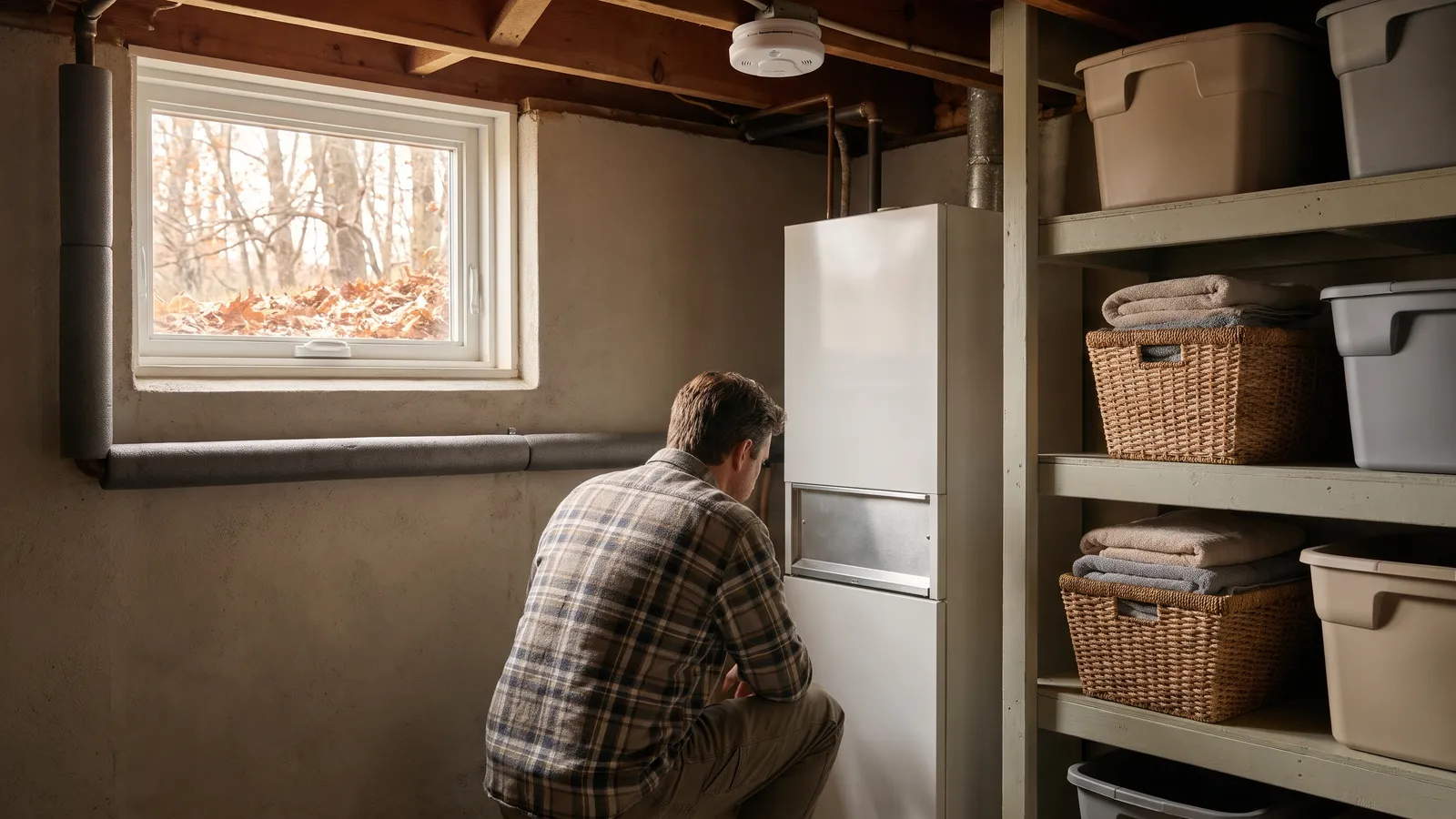
- So use the mild start to get ready: have your furnace inspected, test your carbon monoxide alarms, know how to keep pipes from freezing and plan a safe backup if the heat goes out.
The three things most homes are missing
Our top pick from each comparisonIf you already have these, you're most of the way there. As an Amazon Associate, PreparedStates earns from qualifying purchases. We may earn a commission when you buy through our links. It never changes what we recommend. Amazon prices come from Amazon's own product data and can change at any time.
What NOAA's outlooks actually say
NOAA's Climate Prediction Center issued its November outlook on October 15. It "depicts enhanced above-normal probabilities across the northern two-thirds of the Contiguous United States (CONUS) and along both coasts," with the highest odds over Washington and the interior Northwest, the Northern Plains, the Upper Mississippi Valley and the Great Lakes. Odds are weaker over Montana and North Dakota, "where diving troughs may introduce cooler spells." From the Southwest to the Lower Mississippi Valley it shows equal chances of above-, near- and below-normal temperatures.
The shorter outlooks point the same way. On October 28, the Center's 8 to 14 day outlook for November 5 to 11 said "above normal temperatures are favored across the entirety of the CONUS," with the greatest uncertainty across much of the Southern Plains. Its week 3 to 4 outlook, issued October 23 for November 7 to 20, expects "widespread above average temperatures across Alaska and CONUS," with equal chances across the Southwest.
For rain and snow, the November outlook favors above-normal precipitation across much of the southern US and the East Coast, with 60 to 70% odds in parts of the Southeast. It favors below-normal precipitation from the northern Intermountain West into parts of the Northern Plains and parts of the Great Lakes.
What is confirmed, and what is not
Confirmed: Streets of Toronto reports that The Weather Network has seen signs of an early polar vortex disruption in forecast models. We haven't seen The Weather Network's own report. The article says meteorologists will watch how it develops through November.
Not confirmed: a cold November for the US. NOAA's November outlook doesn't favor below-normal temperatures anywhere in the lower 48, and none of the Climate Prediction Center discussions we read, for November, for November 3 to 11 or for November 7 to 20, mention the polar vortex. We couldn't find any NOAA or National Weather Service statement about a November 2026 disruption.
The headline's question mark matters. The Toronto article itself doesn't say November will be cold, and it adds that a November disruption "may also be less harsh than one occurring in January or February," because the Arctic has had less time to build up cold air.
Why the polar vortex makes headlines
The National Weather Service describes the polar vortex as "a large area of low pressure and cold air surrounding both of the Earth's poles." It always exists, weakening in summer and strengthening in winter. When it expands, it can send cold air south with the jet stream, which "occurs fairly regularly during wintertime and is often associated with large outbreaks of Arctic air in the United States."
That is why the phrase sounds alarming and why it comes back every winter. NOAA's November outlook says El Niño "is expected to be the dominant climate driver" this month, and the Center now gives a strong-to-very-strong El Niño a greater than 83% chance through January to March 2027. Outlooks are odds, not promises, and NOAA updates the November outlook on Saturday, October 31. When cold air does come, your local forecast and our live alerts page tell you more than any seasonal headline.
What it means for your home
A mild start is the easy time to get your heat ready, before you need it. The Energy Information Administration expects homes heating with natural gas to spend 9% less this winter on average and propane homes 3% less, while electric-heat homes see a 4% rise and heating oil homes, mostly in the Northeast, a 21% rise. Its forecast assumes national temperatures about the same as last winter.
Here is a short checklist from CPSC, CDC, the US Fire Administration, Ready.gov and the Red Cross. Our guides to frozen pipes, winterizing your home and staying warm without power go further.
- Furnace: have a professional inspect fuel-burning heating systems, chimneys, flues and vents every year (CPSC, CDC, US Fire Administration)
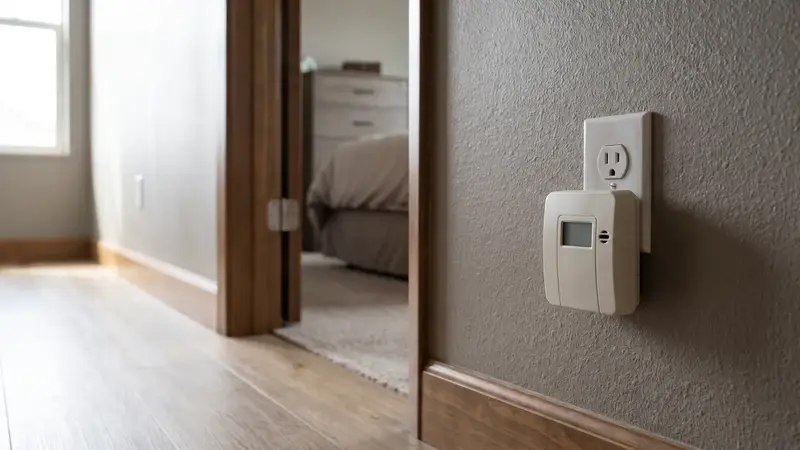
- Carbon monoxide: alarms on every level and outside sleeping areas, with battery backup, tested monthly (CPSC)
- Pipes: on very cold nights, let cold water drip from faucets on exposed pipes, open sink cabinet doors and keep the thermostat the same day and night (Red Cross)
- Going away: leave the heat on, set no lower than 55°F (Red Cross)
- Electric space heaters: plugged straight into a wall outlet, at least three feet from anything that can burn, and turned off when you sleep (CPSC)
- Fuel-burning portable heaters: never refuel one while it's running; turn it off and let it cool first, and keep CO alarms working (CPSC)
- Nowhere warm: check with local officials about heating locations near you (Ready.gov)
What not to do
You don't need to buy a heater, generator or extra fuel because of this headline. If your heat goes out, Ready.gov says never to heat your home with a gas stove or oven, because it increases your risk of carbon monoxide poisoning. CPSC says to use portable generators outdoors only, at least 20 feet from the home with the exhaust pointed away from buildings, and never inside a home, basement, shed or garage.
Don't plug a space heater into an extension cord or power strip. CPSC says portable heaters were involved in an average of 1,600 fires a year from 2020 to 2022. Our space heater safety guide and carbon monoxide guide cover the rest.
NOAA issues new 6 to 10 and 8 to 14 day outlooks daily and a new week 3 to 4 outlook on October 30. We will update this check when NOAA updates its November outlook on October 31, or if the Climate Prediction Center or the National Weather Service starts to favor below-normal temperatures for US regions in November.
Common questions
Is the polar vortex bringing a cold November to the US?
NOAA doesn't expect it. The Climate Prediction Center's November outlook favors above-normal temperatures across the northern two-thirds of the lower 48 and equal chances from the Southwest to the Lower Mississippi Valley. Its October 28 outlook favors above-normal temperatures across the lower 48 for November 5 to 11.
Who said the polar vortex is acting up early?
The Weather Network, as reported by Streets of Toronto on October 28. It said forecast models suggest a disruption in early November, but that its outlook for a generally mild start to winter hasn't changed. We found no NOAA or National Weather Service statement about it.
What is the polar vortex?
The National Weather Service calls it a large area of low pressure and cold air surrounding both poles. It always exists. When it expands in winter it can send Arctic air into the US, which happens fairly regularly. The NWS says there is no cause to be alarmed, but to be prepared for colder temperatures.
Will heating cost more this winter?
It depends on your fuel. The Energy Information Administration expects average spending to fall 9% for natural gas homes and 3% for propane homes, and to rise 4% for electric-heat homes and 21% for heating oil homes, assuming national temperatures about the same as last winter.
What should I do before the first cold snap?
Have your furnace or other fuel-burning heat inspected, test carbon monoxide and smoke alarms, learn how to keep pipes from freezing and plan safe backup heat. Never heat your home with a gas stove or oven, and keep generators outdoors, at least 20 feet from the home.
Sources (13)
- Streets of Toronto: Cold November ahead? Canada's polar vortex is acting up early (Oct 28, 2026)
- NOAA Climate Prediction Center: 30-day outlook discussion for November 2026 (Oct 15, 2026)
- NOAA Climate Prediction Center: 6-10 and 8-14 day outlook discussion (Oct 28, 2026)
- NOAA Climate Prediction Center: Week 3-4 outlook (Oct 23, 2026)
- National Weather Service: The polar vortex
- EIA: Mixed outlook for energy expenditures this winter (Oct 7, 2026)
- EIA: Short-Term Energy Outlook (Oct 6, 2026)
- CPSC: Keep warm and safe this winter: generators, furnaces and space heaters
- CDC: Carbon monoxide poisoning basics
- US Fire Administration: Heating fire safety
- Ready.gov: Winter weather
- Ready.gov: Power outages
- American Red Cross: Frozen pipes
Get one calm email when it matters
Seasonal checklists and gear price drops. No spam, unsubscribe any time.
Keep reading
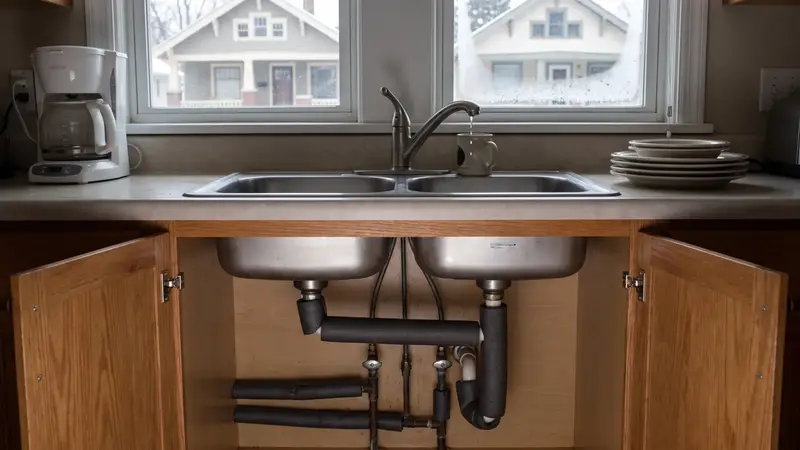 Frozen pipes: how to prevent them and what to do if they freezeHow to keep pipes from freezing and what to do if they do: insulate, let faucets drip, thaw safely with a hair…
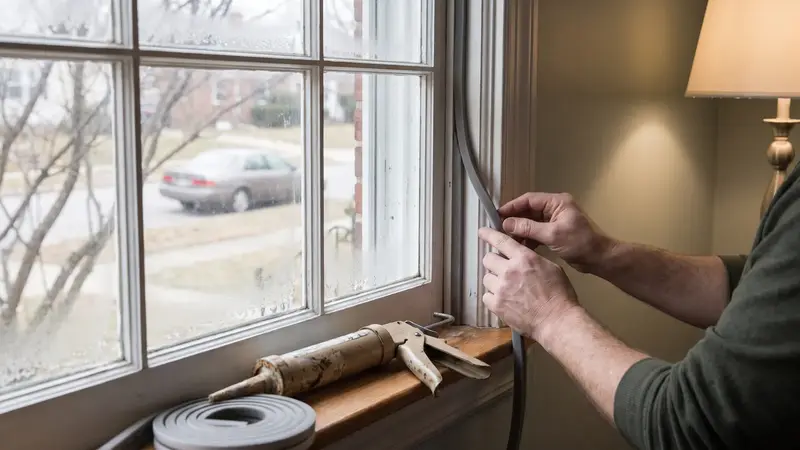 How to winterize your home: a checklist to finish before cold weatherHow to winterize your home before cold weather: seal drafts, insulate, service the furnace and chimney, protec…
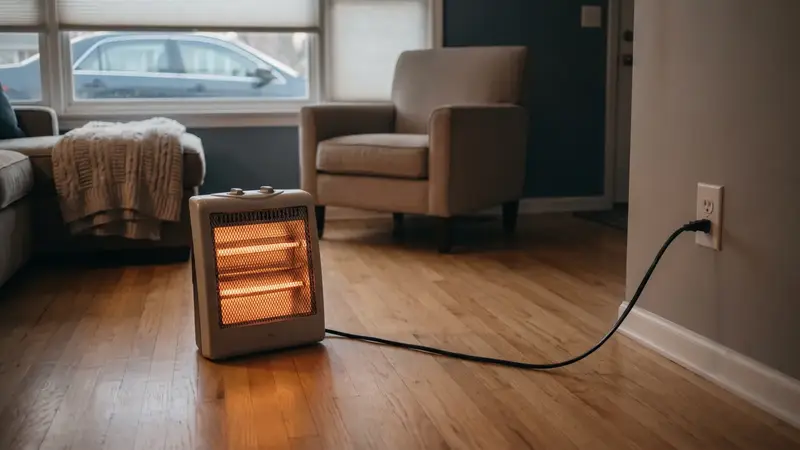 Space heater safety: clearance, plugs and what to do in a winter power outageHow to use a space heater safely: keep it 3 feet from anything that can burn, plug it into the wall, never run…
 Carbon monoxide poisoning: symptoms, sources, alarms and what to doWhat CO poisoning feels like, who is most at risk, common sources in winter and outages, where to put CO alarm…