Home first aid kit checklist: the Red Cross list, and when to buy a ready-made kit
The American Red Cross list for a family of four, item by item, plus where to keep kits, when to check expiration dates, and the US numbers to have by the phone.
By Tom Calder · Updated October 30, 2026 · Item list from the American Red Cross; phone numbers from CDC
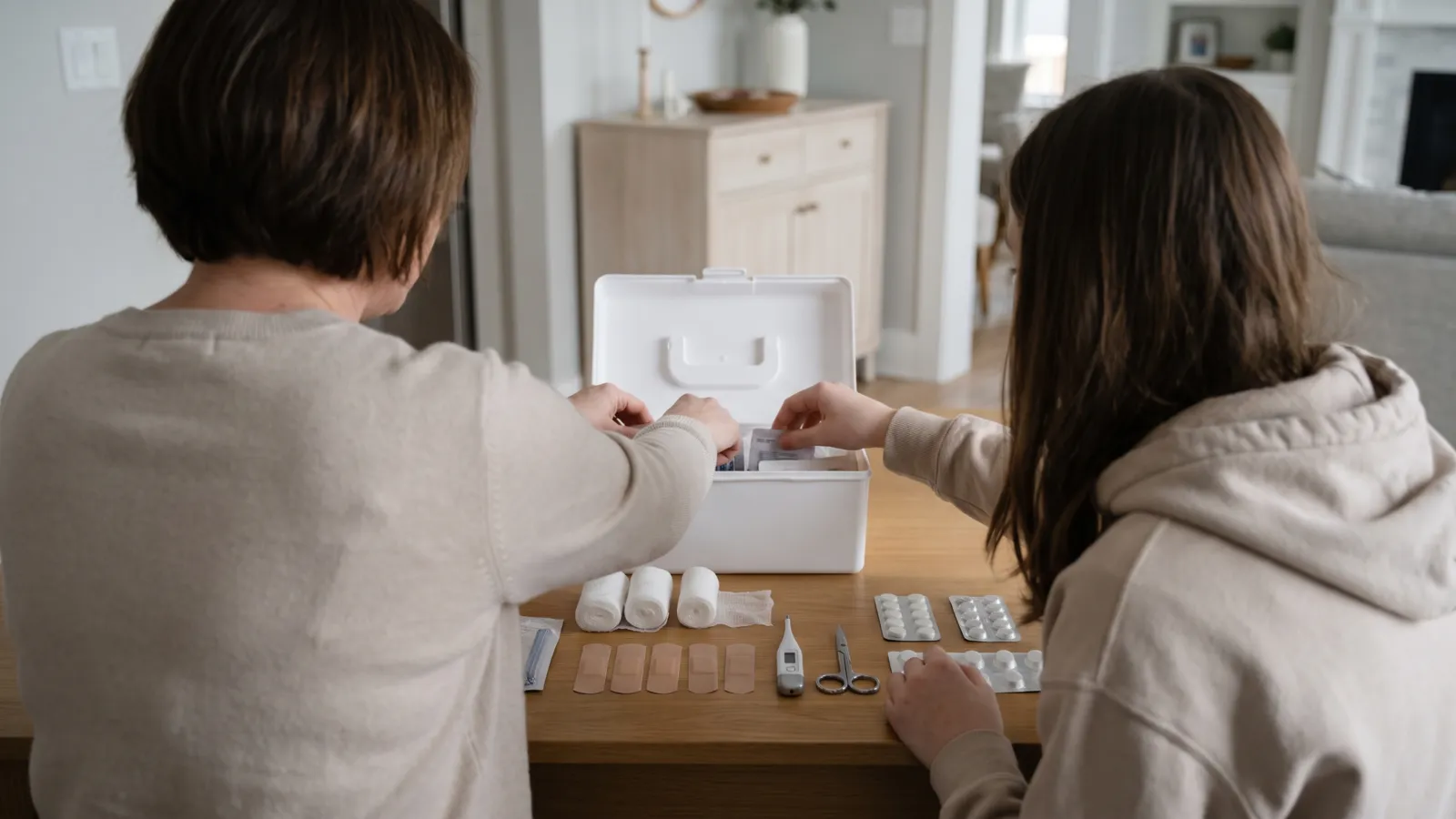
- The American Red Cross recommends that all first aid kits for a family of four include 2 absorbent compress dressings, 25 adhesive bandages, tape, gauze, gloves and more (full list below).
- Keep a kit in your home and in your car, and check expiration dates regularly, replacing anything used or out of date.
- You may already own some of the list. Buy a ready-made kit if you want it in one box, or build your own.
- Write down 911 and Poison Control, 1-800-222-1222, and keep them with the kit.
Where kits belong
The American Red Cross says to keep a first aid kit in your home and in your car, to carry one with you or know where you can find one, and to find out the location of first aid kits where you work. Kits come in many shapes and sizes. Your local drug store may sell them, and you can also make your own.
The Red Cross also notes that some kits are designed for specific activities, such as hiking, camping or boating. A home kit is the one that matters most here.
The Red Cross checklist for a family of four
The Red Cross says all first aid kits for a family of four should include the items below. This is the Red Cross's list, copied item by item. It sizes for four people, so adjust the counts for your household.
- 2 absorbent compress dressings (5 x 9 inches)
- 25 adhesive bandages (assorted sizes)
- 1 adhesive cloth tape (10 yards x 1 inch)
- 5 antibiotic ointment packets (approximately 1 gram)
- 5 antiseptic wipe packets
- 2 packets of aspirin (81 mg each)
- 1 emergency blanket
- 1 breathing barrier (with one-way valve)
- 1 instant cold compress
- 2 pair of nonlatex gloves (size: large)
- 2 hydrocortisone ointment packets (approximately 1 gram each)
- 1 3 in. gauze roll (roller) bandage
- 1 roller bandage (4 inches wide)
- 5 3 in. x 3 in. sterile gauze pads
- 5 sterile gauze pads (4 x 4 inches)
- Oral thermometer (non-mercury/nonglass)
- 2 triangular bandages
- Tweezers
- Emergency First Aid instructions
Add your own, and keep it current
The Red Cross says to include any personal items such as medications and emergency phone numbers or other items your health-care provider may suggest. Prescription needs, allergy medicine and anything for a household member's medical condition are a conversation for your clinician or pharmacist, not a checklist.
The Red Cross says to check the kit regularly, check expiration dates, and replace any used or out-of-date contents. Pick a date you already remember, such as when you change your smoke alarm batteries, and look through the box then.
Buy a kit or build one?
Both routes meet the list. A ready-made kit puts it all in one box and is easy to grab, but check it against the list above: counts and contents vary, and the Red Cross list is the yardstick. Building your own means you pay only for what you lack. Many households already have bandages, tape, tweezers, gloves and a thermometer in a drawer.
If you want to compare ready-made options, our first aid kits page ranks them on what is in the box. For a wider kit, see our emergency kit checklist and go-bag checklist.
Numbers to keep with the kit
In an emergency, call 911. CDC says if someone shows signs of carbon monoxide poisoning, call 911 or your local Poison Control Center at 1-800-222-1222. Write both on a card in the kit, and save the Poison Control number in every adult's phone.
A kit does not replace training. The Red Cross list includes emergency first aid instructions, and a local first aid class teaches what the box cannot.
A first aid kit helps with minor injuries while you wait for help. In a medical emergency call 911. Keep the phone numbers with the kit and make sure everyone in the home knows where it is.
Common questions
What should be in a home first aid kit?
The American Red Cross list for a family of four includes absorbent compress dressings, adhesive bandages, cloth tape, antibiotic ointment, antiseptic wipes, aspirin, an emergency blanket, a breathing barrier, a cold compress, nonlatex gloves, hydrocortisone ointment, gauze and roller bandages, a thermometer, triangular bandages, tweezers and instructions.
Where should I keep first aid kits?
The Red Cross says in your home and in your car, and to know where one is at work.
How often should I check my kit?
The Red Cross says to check the kit regularly, check expiration dates, and replace used or out-of-date contents.
What is the Poison Control number?
1-800-222-1222, as given by CDC. For emergencies call 911.
Do I have to buy a first aid kit?
No. The Red Cross says you can buy one or make your own, and to make sure it has all the items you may need.
Get one calm email when it matters
Seasonal checklists and gear price drops. No spam, unsubscribe any time.
Keep reading
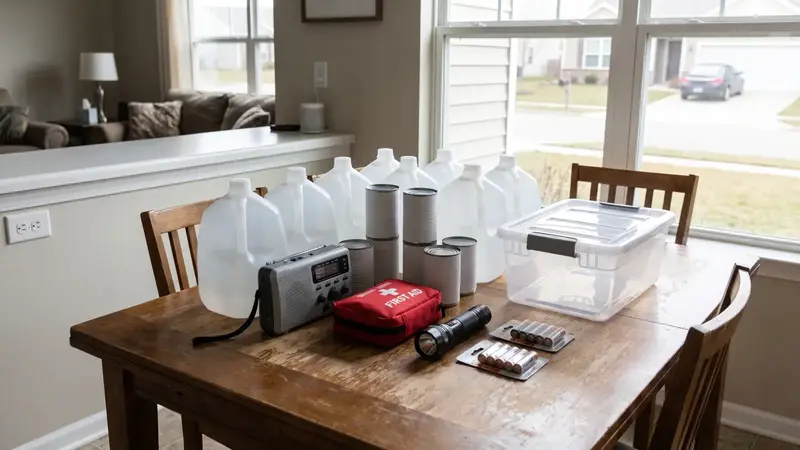 Emergency kit checklist: what to include, how much to keep and where to store itA plain-English emergency kit checklist built on Ready.gov's basic kit and extra items, with how many days of …
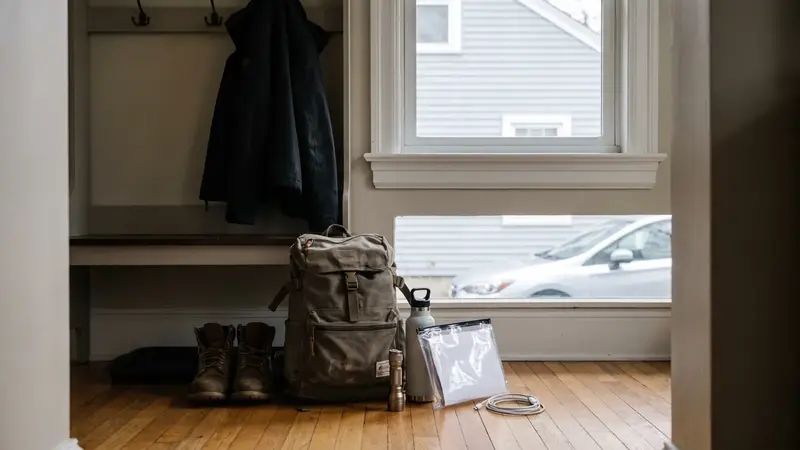 Go-bag checklist: what to pack in case you have to evacuateWhat to pack in a go-bag: documents, medications, cash, chargers, per-person items, kids and pets, and how it …
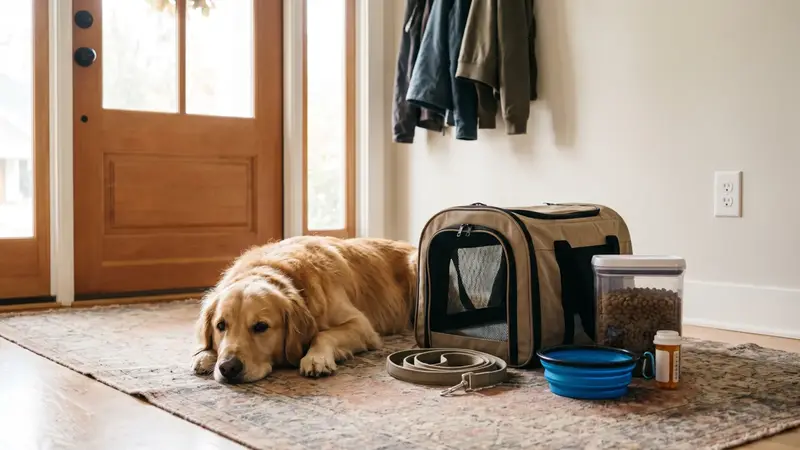 Pet emergency kit: what to pack, where to go and what to do after a disasterHow to build a pet emergency kit and plan: what to pack, ID and microchips, what shelters and hotels allow, pe…
 Power outage plan for electric medical devices and refrigerated medicinesHow to plan for a power outage if you use electric medical devices or refrigerated medicine: questions to ask,…