How to use sandbags for flooding: filling, stacking, and what they can't do
How to fill and stack sandbags to slow floodwater, using Army Corps of Engineers guidance, plus what sandbags can't do and why flood insurance has a 30-day wait.
By Tom Calder · Updated October 30, 2026 · Sourced to the US Army Corps of Engineers, OSHA, Ready.gov, FEMA's flood insurance program, the National Weather Service and the Red Cross
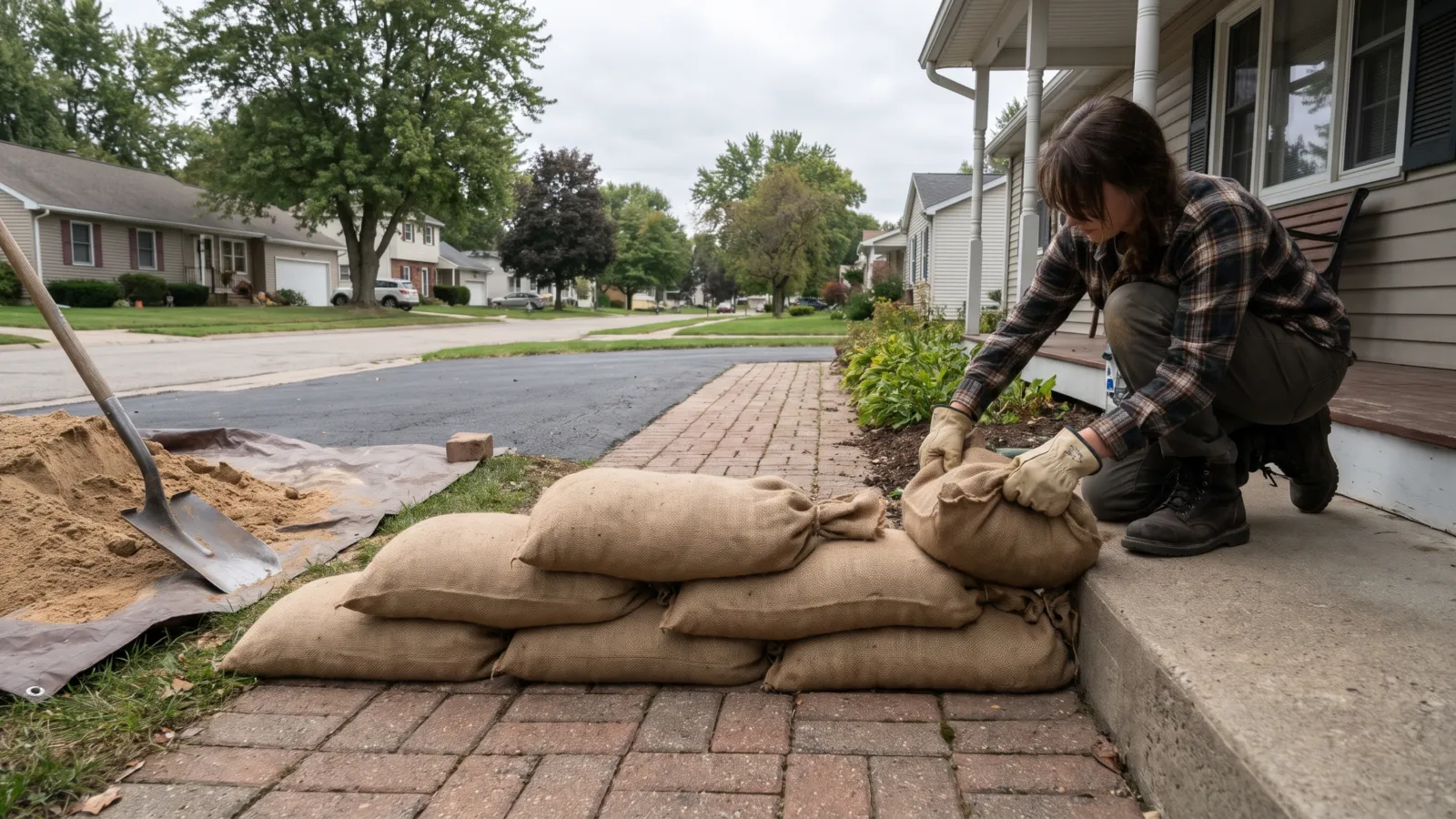
- Sandbags can slow and divert shallow water around a door or low opening. The Army Corps of Engineers says they "do not guarantee a watertight seal."
- Fill each bag about half full, stack in staggered rows, and tamp each layer. The Corps recommends a barrier no more than about 3 feet high, built about 3 feet wide for every foot of height.
- Sandbags do not replace flood insurance. FEMA's program typically has a 30-day waiting period, so buy well before the water rises.
- Filling bags is heavy work. OSHA says to lift with your legs, and the Corps says to wear gloves. Never walk or drive into floodwater.
- Check with your city or county first: they may supply sandbags and sand, and you may not need to buy any.
What sandbags can and can't do
The US Army Corps of Engineers' Jacksonville District puts it plainly: "Although sandbags do not guarantee a watertight seal, they are a proven deterrent to costly water damage." They are a way to slow water at a low opening, not to stop a flood.
The Corps' Rock Island District says a 3-foot-tall barrier is the highest recommended sandbag barrier, and that "for each foot high, the barrier needs to be 3 foot wide." The Jacksonville District calls five feet "the practical limit of a sandbag levee" and prefers 3 feet. The Jacksonville District adds: "If a higher levee is needed, alternate means of construction should be considered." Talk to your local emergency management office.
Two more cautions from the Rock Island District: "Don't assume a building wall is rated to hold flood waters," and "Always assume a pump will be needed." It also says any underground pipes or conduits will need to be plugged or closed.
Where to get sandbags
The Jacksonville District advises private individuals to "go to your local authorities (i.e. levee district commissioners, city, count[y], etc.) for information," and notes there are several commercial suppliers across the US. Search your city or county's emergency management page, or call its non-emergency line, before you spend money.
How to fill sandbags
The Jacksonville District says to fill bags one half to two thirds full and tie them so the bag lies flat; a properly filled bag weighs between 35 and 40 pounds. The Rock Island District, which gives a weight of about 50 pounds for a bag filled this way, says to fill each bag about half to slightly more than half full, and offers a test: "Tuck opening underneath, facing upstream. If you can't tuck, it's filled too full."
Overfilling matters. The Jacksonville District says: "Overfilled bags and bags tied too low leave gaps in sandbag levee allowing water to seep through." The Rock Island District adds that filling stations should be outside the area you are protecting, especially when using volunteers.
How to stack them
Sandbags, the Jacksonville District says, "should be placed flat on ground, overlapped, tamped into place, and stair stepped." Offset each row by half a bag length so the joints do not line up, and compact each bag by walking on it as you build.
For extra protection, both districts describe plastic sheeting over the barrier. The Rock Island District says to use sheeting at least 4 mil thick (6 mil preferred) on the water side up to the top of the barrier, with sandbags on top so currents or wind do not move it. The Jacksonville District says to lay plastic on the downstream portion of the levee first, then work upstream with a two to three foot overlap.
Lifting, handling and staying safe
OSHA says "manually filling, moving and placing sandbags is physically demanding work." Its advice includes: "Lift with your legs, not your back," use equipment to fill and move bags where you can, and use gloves. The Corps adds to wear gloves while filling and, after handling treated bags, avoid contact with your eyes and mouth.
National Weather Service: "A mere 6 inches of fast-moving flood water can knock over an adult. It takes just 12 inches of rushing water to carry away most cars and just 2 feet of rushing water can carry away SUVs and trucks. It is NEVER safe to drive or walk into flood waters."
Ready.gov: "Do not touch electrical equipment if it is wet or if you are standing in water. Turn off the electricity to prevent electric shock if it is safe to do so." It also says: "Use a generator or other gasoline-powered machinery ONLY outdoors and away from windows." See flood preparedness for the full list.
After the water: used sandbags and flood insurance
The Rock Island District says sandbags that have contacted or been loaded with flood water "must be disposed of at an appropriate landfill or the local ordinance," and that "sand that flood waters have contacted is NOT appropriate for sandboxes." Your city or county can tell you where to take them.
Sandbags do nothing for the cost of a flooded home. Ready.gov: "Homeowner's insurance policies do not cover flooding. It typically takes up to 30 days for a policy to go into effect, so the time to buy is well before a disaster." FEMA's National Flood Insurance Program says there is typically a 30-day waiting period between purchase and the effective date, with exceptions such as insurance bought in connection with a mortgage loan.
You may not need to buy anything. Your city or county may supply sandbags and sand ahead of a flood. The purchase that does the most for a flood-prone home is a flood insurance policy bought at least a month ahead, not a stack of bags. If you want sump pump backup, that is a separate job from sandbags.
Common questions
Do sandbags stop flooding?
No. The Army Corps of Engineers says sandbags do not guarantee a watertight seal, though they are a proven deterrent to costly water damage. They slow and divert shallow water; the Corps' recommended limit is a barrier about 3 feet high.
How full should a sandbag be?
About half full, up to two thirds. The Corps says the opening should tuck underneath, facing upstream, and that if you can't tuck it, the bag is too full. Overfilled bags leave gaps that let water through.
How do you stack sandbags?
Lay them flat, overlapped and tamped, in staggered rows offset by half a bag length, stair-stepped back. Make the barrier 3 feet wide for every foot of height. Plastic sheeting over the barrier, held down by more bags, reduces seepage.
Where can I get free sandbags?
Start with your city or county emergency management office. The Army Corps of Engineers advises private individuals to go to their local authorities, who are the first place to ask.
Does homeowners insurance cover flood damage?
No. Ready.gov says homeowner's policies do not cover flooding. NFIP flood insurance typically takes up to 30 days to take effect, so buy well before the water rises.
Sources (6)
- US Army Corps of Engineers, Jacksonville District: Sandbag information
- US Army Corps of Engineers, Rock Island District: Supplies (sandbags)
- OSHA: Filling, Moving and Placing Sandbags During Flooding Disasters (PDF)
- National Weather Service: Turn Around Don't Drown
- Ready.gov: Floods
- FEMA NFIP (FloodSmart): Flood insurance 101
Get one calm email when it matters
Seasonal checklists and gear price drops. No spam, unsubscribe any time.
Keep reading
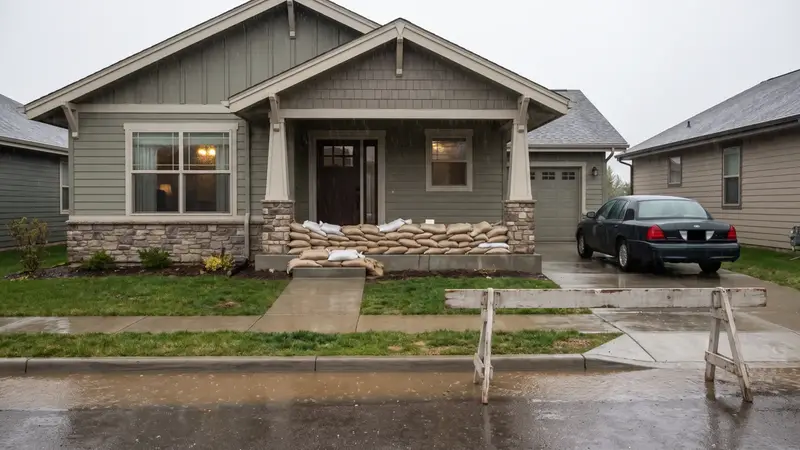 Flood preparedness: flood watch vs warning, what to do and how flood insurance worksFlood watch vs warning, how little moving water can sweep a car away, the 30-day flood insurance wait, and wha…
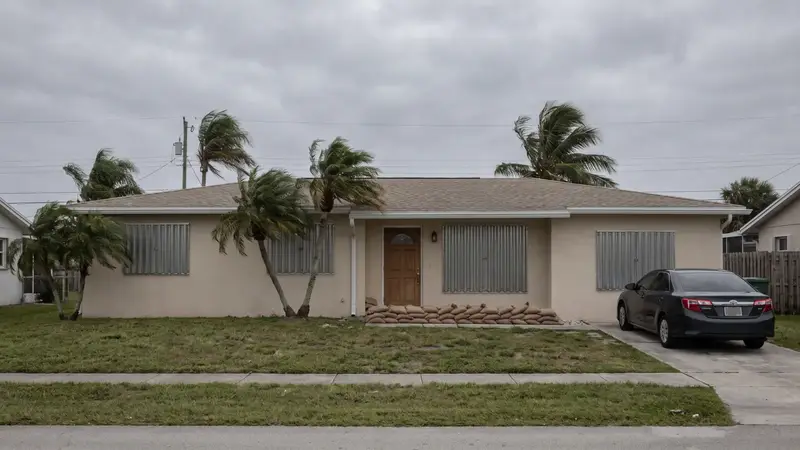 Hurricane preparedness checklist: what to do before, during and after a stormHurricane season dates, watch vs warning, how to find your evacuation zone, storm surge, supplies, and what to…
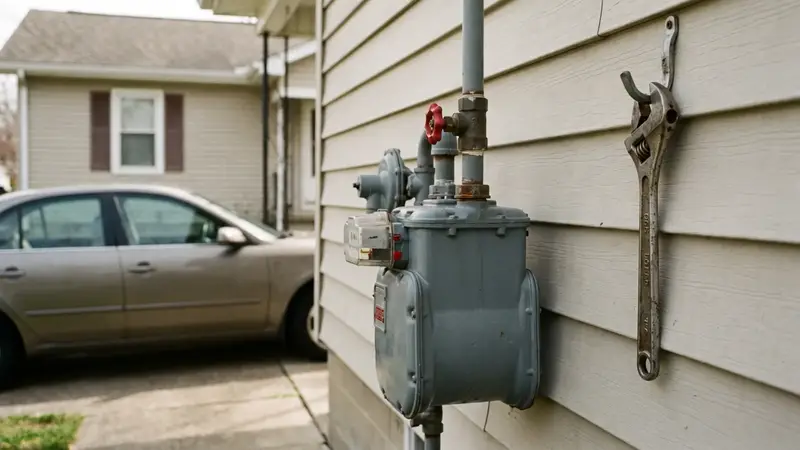 How to shut off gas, water and electricity in an emergencyWhere your gas, water and electric shutoffs are, when to use them, when not to shut off gas, and why only a pr…
 Power outage checklist: what to do before, during and afterA calm power outage checklist from Ready.gov and CDC: what to prepare, how to protect food, medicines and medi…