Help paying for heating oil and propane: LIHEAP, state aid and what to do first
How to get help paying for heating oil and propane: what LIHEAP is, who can qualify, how to apply through your state, and what to do if your tank is running low.
By Tom Calder · Updated October 30, 2026 · Sourced to HHS/ACF (LIHEAP), the Department of Energy, EIA, Ready.gov, the CDC and the American Red Cross
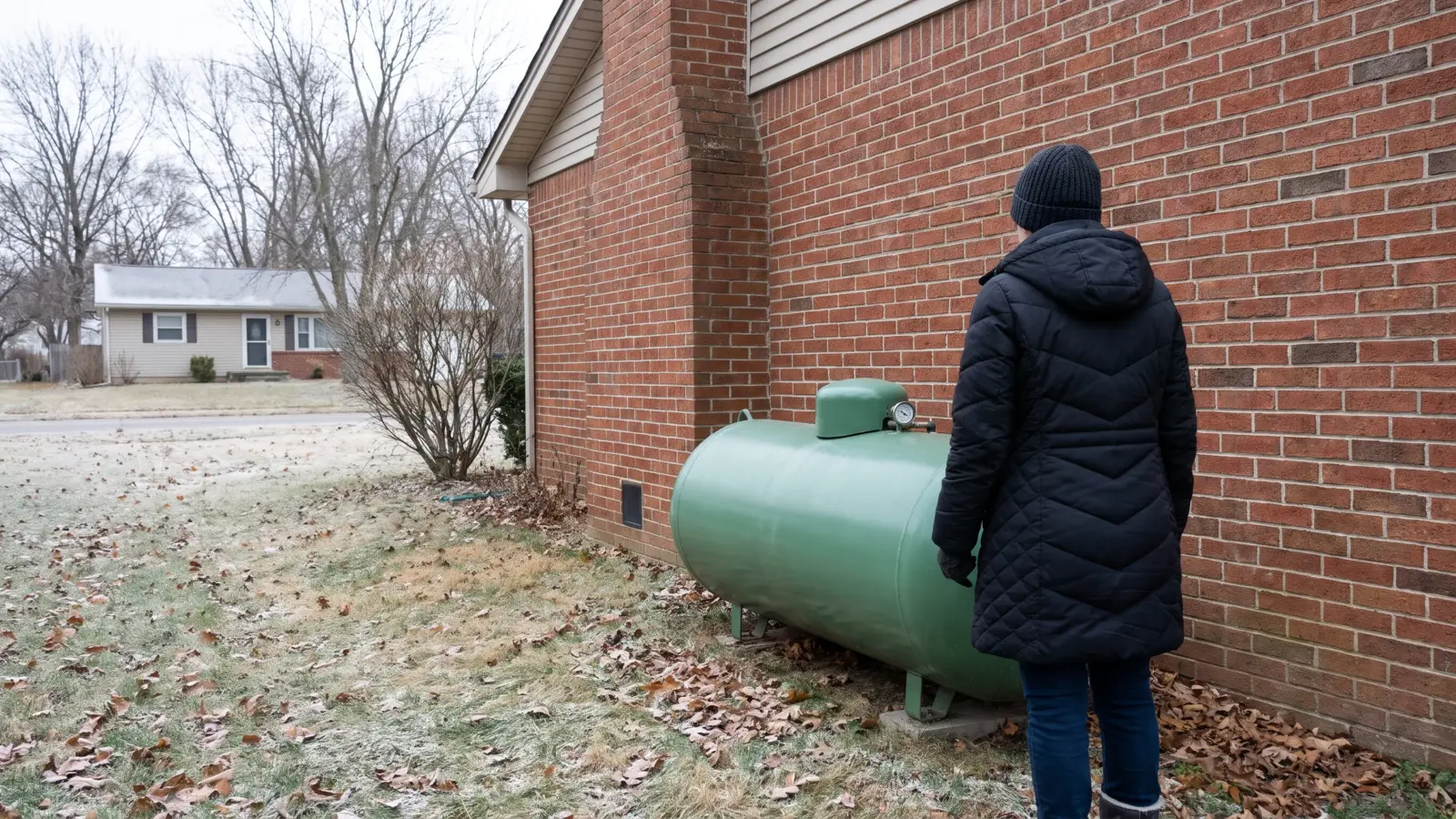
- LIHEAP is a federal program that helps households with low incomes pay home energy bills. States, tribes and territories run it, so rules and benefits differ by place. It is not a grant you apply for from the federal government.
- To find your state's office, go to Energyhelp.us or call the National Energy Assistance Referral line at 1-866-674-6327. Applying costs nothing.
- Heating oil is mostly a Northeast fuel: EIA says about 82% of the 4.79 million heating-oil homes in winter 2023-2024 were in the Northeast.
- If your tank is low, call your state LIHEAP office or 211 now. Some states have crisis rules that name propane and heating oil.
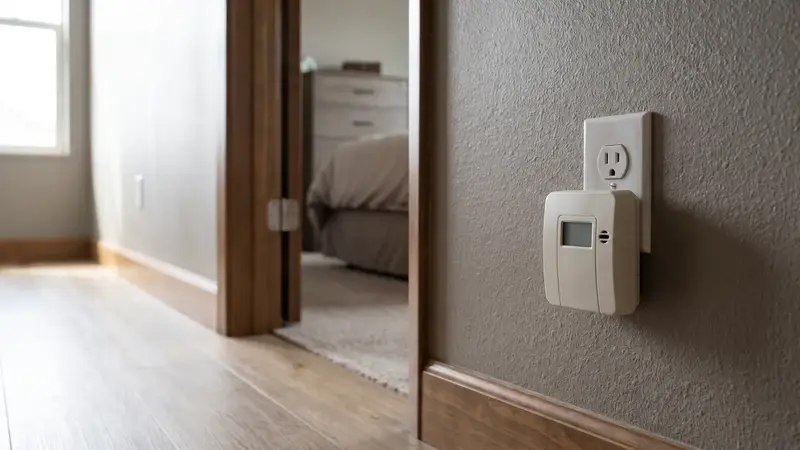
- Never heat your home with a gas stovetop or oven, and keep battery-operated or battery back-up CO detectors near every sleeping area.
What LIHEAP is
HHS's Administration for Children and Families describes the Low Income Home Energy Assistance Program (LIHEAP) this way: it "provides federally funded assistance to reduce the costs associated with home energy bills, energy crises, weatherization, and minor energy-related home repairs." It can help with heating bills, prevent energy shutoffs, reconnect services, and repair or replace heating equipment.
The federal government does not pay households directly. The states, tribes and territories get the money and then provide assistance to households in need. That is why the form you fill out, the amount of help and the dates all depend on where you live.
Who can qualify
ACF says LIHEAP benefits target households with low incomes, particularly those with a high home energy burden or members who are elderly, disabled, or a young child. States set their own income limits within a federal range: no more than the greater of 150% of the Federal Poverty Guidelines or 60% of State Median Income, and no less than 110% of the guidelines.
In practice, eligibility varies by state and is based on household size, income and other benefits you receive. Ask your state office rather than assuming: renters, and people whose heat is part of the rent, should check how their state treats them.
Does it cover heating oil and propane?
ACF's program pages describe help with "home heating bills" without naming fuels, so the answer is a state-by-state one. The HHS LIHEAP Clearinghouse lists each state's crisis rules, and some name bulk fuels. Arkansas counts a household in crisis if it "has twenty percent (20%) or less of propane or fuel tank capacity and the supplier has refused delivery without payment." The District of Columbia counts a household in crisis if its "heating oil is at 5% or less of capacity."
Federal rules require grantees to provide crisis assistance through at least March 15. The FCC says 211 can refer you to community services including utility assistance, so a call to 211 as well as your state office is the quickest way to learn what exists near you.
How to apply
ACF points applicants to Energyhelp.us and to the National Energy Assistance Referral (NEAR) number, 1-866-674-6327. The HHS LIHEAP Clearinghouse also has a search tool for your state's office. Have proof of income ready: DOE says weatherization providers require proof of income for the prior year, such as pay stubs or Social Security payments, and the HHS Clearinghouse says LIHEAP eligibility is based on household size, income and other benefits you receive.
LIHEAP does not charge a fee for receiving a benefit, and does not provide direct grants to individuals. ACF's warning: "If you receive a message offering you a LIHEAP grant or requesting a fee, please contact the U.S. Department of Health and Human Services (HHS) Fraud Hotline at 1-800-447-8477."
Separately, the Department of Energy's Weatherization Assistance Program can lower the bill for good. Households at or below 200% of the poverty income guidelines, or that receive Supplemental Security Income, are eligible under DOE guidelines, and priority goes to the elderly, families with a disability, families with children and high energy users. Contact your state weatherization administrator to apply.
The Northeast and the winter outlook
EIA says that in winter 2023-2024 about 4.79 million US households used heating oil as their main heating fuel, and about 82% of them were in the Northeast. Its Winter Fuels Outlook for 2026-27, released Oct 6, 2026, says homes that use heating oil as their main fuel, about 3% of households, "could see the largest increase in spending this year," with a forecast 21% rise in heating oil expenditures over last winter. It adds that warmer forecast temperatures than last year partly offset the price increase.
EIA collects weekly heating oil and propane prices from October through March. Our gas prices tracker shows EIA's delivered heating oil and propane prices by state, which is useful for checking whether your supplier's quote is in line. The Northeast Home Heating Oil Reserve, a one million barrel supply of ultra low sulfur distillate, exists to protect against supply disruptions in the Northeast; it is not a source of help with household bills.
If your tank is getting low
Call your supplier first and ask what they can deliver. Then call your state LIHEAP office and 211, and say you are close to running out: crisis help is meant for exactly this. Ready.gov's winter-weather page says: "If you are unable to afford your heating costs, weatherization or energy-related home repairs, contact the Low Income Home Energy Assistance Program (LIHEAP) for help."
The Red Cross says to know where you will go if your home becomes too cold: a friend's house, a public library, or a warming center. Our stay warm without power and winterize your home guides cover the rest.
Heat safely while you wait
Ready.gov: "Avoid carbon monoxide poisoning. Only use generators and grills outdoors and away from windows and never heat your home with a gas stovetop or oven." CDC: "Never heat your house with a gas oven." CDC also says to "have your heating system, water heater, and any other gas, oil, or coal burning appliances serviced by a qualified technician every year" and to "install battery-operated or battery back-up CO detectors near every sleeping area in your home."
For space heaters, Ready.gov says to keep combustible objects at least three feet away, and to check that the heater has a thermostat control and will switch off automatically if it falls over. Read space heater safety before you buy or borrow one.
You do not need to buy anything for this. Applying for LIHEAP is free, and the first step is a phone call or a form. If you want one item for the heating season, make it a battery-operated or battery back-up CO detector, as the CDC advises.
Common questions
Does LIHEAP pay for heating oil and propane?
It depends on your state. ACF describes help with home heating bills without naming fuels, and states decide how benefits work. Some state crisis rules name propane and heating oil, such as Arkansas and the District of Columbia. Ask your state office.
How do I apply for LIHEAP?
Go to Energyhelp.us or call the National Energy Assistance Referral line at 1-866-674-6327 to find your state or local office. Have proof of income ready. Applying costs nothing.
What is the income limit for LIHEAP?
States set their own limits, capped by federal rules at the greater of 150% of the Federal Poverty Guidelines or 60% of State Median Income, and not below 110% of the guidelines. Your state's limit may be lower than the cap.
Who uses heating oil in the US?
EIA says about 4.79 million US households used it as their main heating fuel in winter 2023-2024, and about 82% of them were in the Northeast. About 3% of all households use it, per EIA's 2026-27 outlook.
What if my heating oil tank is almost empty?
Call your supplier, then your state LIHEAP office and 211 and say your tank is low. Crisis help exists for this. Do not heat with a gas oven or stovetop, and keep battery-operated or battery back-up CO detectors working.
Sources (14)
- ACF: LIHEAP
- ACF: LIHEAP fact sheet
- HHS LIHEAP Clearinghouse: state office search
- HHS LIHEAP Clearinghouse: state crisis rules
- DOE: how to apply for weatherization assistance
- EIA: use of heating oil
- EIA: Winter Fuels Outlook 2026-27
- EIA: heating oil and propane update
- DOE: Northeast Home Heating Oil Reserve
- Ready.gov: Winter Weather
- American Red Cross: Winter storm
- CDC: Carbon monoxide poisoning basics
- FCC: Dial 211 for essential community services
- Ready.gov: Home Fires
Get one calm email when it matters
Seasonal checklists and gear price drops. No spam, unsubscribe any time.
Keep reading
 How to stay warm without power in winter, safelyStay warm in a winter power outage safely: keep heat in, dress in layers, never heat with an oven or grill, kn…
 How to winterize your home: a checklist to finish before cold weatherHow to winterize your home before cold weather: seal drafts, insulate, service the furnace and chimney, protec…
 Space heater safety: clearance, plugs and what to do in a winter power outageHow to use a space heater safely: keep it 3 feet from anything that can burn, plug it into the wall, never run…
 Carbon monoxide poisoning: symptoms, sources, alarms and what to doWhat CO poisoning feels like, who is most at risk, common sources in winter and outages, where to put CO alarm…