Sell-by vs best-by dates: what USDA says they mean (mostly not safety)
Most date labels on food are about quality, not safety. What sell-by, best-by and use-by mean per USDA, the one exception, and how to tell if food has spoiled.
By Tom Calder · Updated October 30, 2026 · Sourced to USDA's Food Safety and Inspection Service (FSIS)
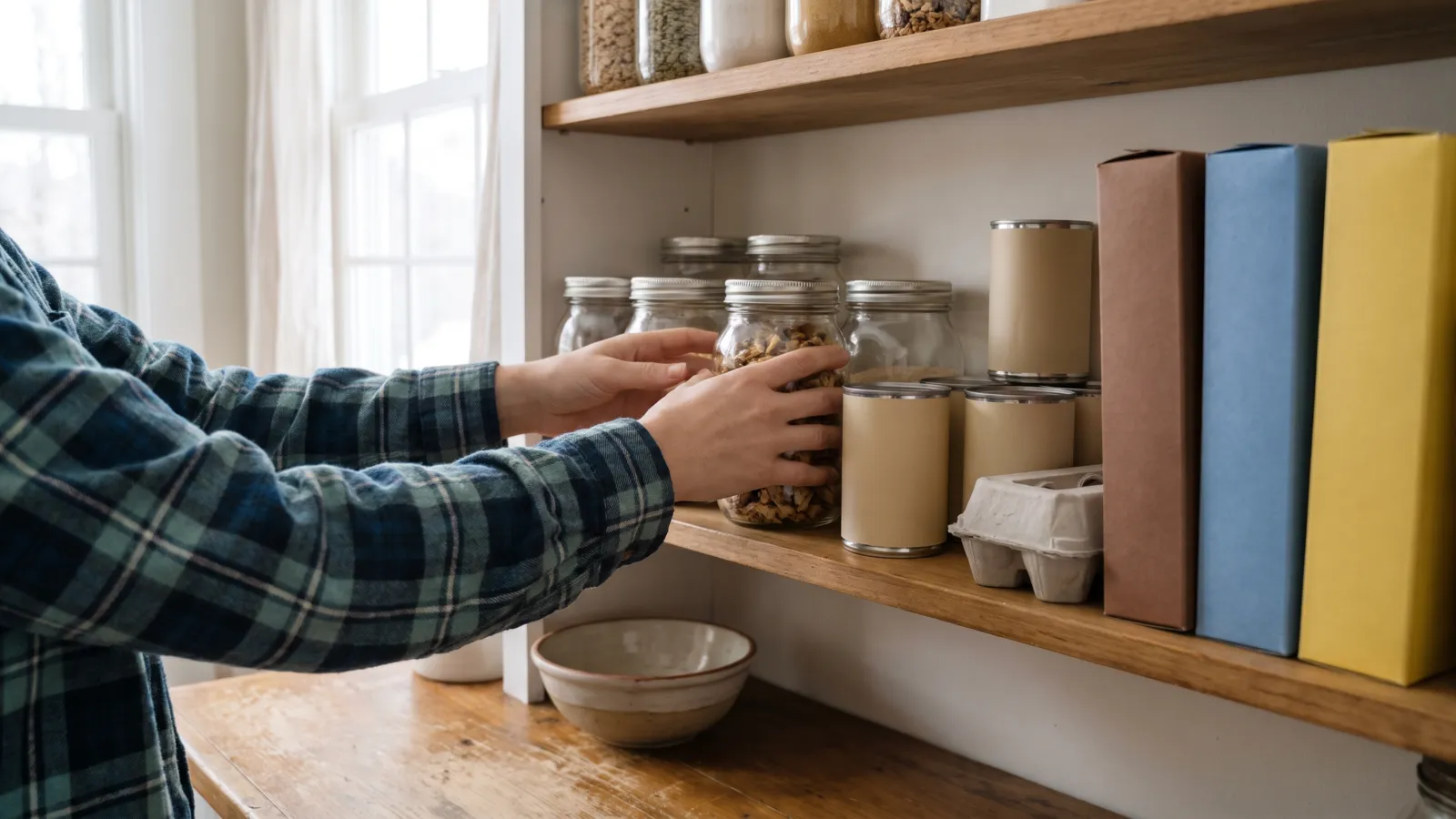
- USDA says that, except for infant formula, product dates are not an indicator of the product's safety and are not required by federal law.
- "Best if Used By" is about flavor or quality. "Sell-By" is for the store's inventory. Neither is a safety date.
- Infant formula is the exception: do not buy or use baby formula after its "Use-By" date.
- Check for an off odor, flavor or texture, and keep food cold: USDA says mishandled food can grow bacteria that cause foodborne illness before or after the date.
Is a date on food required?
USDA's Food Safety and Inspection Service (FSIS) says that, except for infant formula, product dating is not required by federal regulations. For meat, poultry and egg products, dates may be voluntarily applied provided they are labeled in a manner that is truthful, not misleading and in compliance with FSIS regulations.
FSIS says there are no uniform or universally accepted descriptions used on food labels for open dating in the United States, so a wide variety of phrases appear. Open dating is a calendar date applied by the manufacturer or retailer to tell how long the product will be at its best quality. Closed dating is a code of letters and numbers that identifies when it was made. A sell-by or expiration date on eggs is not a federal regulation but may be required by state egg laws, and some states do not allow a sell-by date.
What each phrase means
FSIS gives these examples of commonly used phrases:
- "Best if Used By/Before": indicates when a product will be of best flavor or quality. It is not a purchase or safety date.
- "Sell-By": tells the store how long to display the product for sale for inventory management. It is not a safety date.
- "Use-By": the last date recommended for the use of the product while at peak quality. It is not a safety date except when used on infant formula.
- "Freeze-By": indicates when a product should be frozen to maintain peak quality. It is not a purchase or safety date.
Is food safe after the date?
FSIS says that, with the exception of infant formula, if the date passes during home storage, a product should still be safe and wholesome if handled properly until the time spoilage is evident. Foods not exhibiting signs of spoilage should be wholesome and may be sold, purchased, donated and consumed beyond the labeled "Best if Used By" date.
Spoiled foods will develop an off odor, flavor or texture due to naturally occurring spoilage bacteria. If a food has developed such spoilage characteristics, it should not be eaten. FSIS also notes that a change in the color of meat or poultry is not an indicator of spoilage.
The exception, and what dates do not tell you
Federal regulations require a "Use-By" date on the product label of infant formula. FSIS says using formula by this date ensures that it contains each nutrient in the quantity listed on the label, and: "Do not buy or use baby formula after its 'Use-By' date."
A date also says nothing about how food was handled. FSIS says if foods are mishandled, before or after the date on the package, bacteria that can cause foodborne illness can quickly multiply. Its example: cold chicken salad at a picnic left out above 40 degrees F for more than two hours (one hour at 90 degrees F or higher) should not be consumed. Follow the handling instructions on the label.
For a power outage, the rules are about temperature, not dates: see our food safety in a power outage guide.
Cans, eggs and the freezer
FSIS says can codes of letters and numbers refer to when the product was canned and are not meant for the consumer to interpret as a "Best if Used By" date. Usually any calendar date on a can is a Best if Used By date for peak quality. FSIS says discard cans that are dented, rusted or swollen. High-acid canned foods (such as tomatoes and fruits) keep their best quality for 12 to 18 months, and low-acid canned foods (such as meats and vegetables) for two to five years.
FSIS says food stored constantly at 0 degrees F will always be safe, and only the quality suffers with lengthy freezer storage. Once thawed, handle items as you would any perishable food. Freezing something you will not use before its date is a free way to waste less. For stored food, see our emergency food storage guide.
Do you need to buy anything?
No. Dates cost nothing to read. Eat what you have, freeze what you will not, and before tossing food check for an off odor, flavor or texture, as FSIS describes.
Questions? FSIS says to call the USDA Meat & Poultry Hotline toll-free at 1-888-MPHotline (1-888-674-6854), open year-round, 10 a.m. to 6 p.m. Eastern Time, Monday through Friday.
Federal regulations require a "Use-By" date on infant formula. FSIS says: do not buy or use baby formula after its "Use-By" date.
Common questions
Is food unsafe after the sell-by date?
Not by that fact alone. USDA says the sell-by date tells the store how long to display the product, and it is not a safety date. Foods without signs of spoilage should still be safe if handled properly.
What is the difference between best-by and use-by?
Best-by indicates best flavor or quality. Use-by is the last date recommended for peak quality. Per USDA, neither is a safety date, except use-by on infant formula.
Does federal law require dates on food?
Except for infant formula, product dating is not required by federal regulations, says FSIS. State laws can apply, for example on eggs.
How do I know if food has spoiled?
Per FSIS, spoiled foods develop an off odor, flavor or texture. If it has, it should not be eaten.
Can I donate food past its date?
FSIS says yes, except infant formula past its "Use-By" date: the quality of perishable products may deteriorate after the date passes but they should still be wholesome if not showing signs of spoilage. Food banks and consumers should evaluate quality before distribution and consumption.
Get one calm email when it matters
Seasonal checklists and gear price drops. No spam, unsubscribe any time.
Keep reading
 Food safety in a power outage: how long food lasts and what to throw outHow long food stays safe in the fridge and freezer without power, what to throw out, and when you can refreeze…
 Emergency food storage: how much to store, what to buy and how to keep it safeHow much emergency food to store, from a 3-day kit to two weeks at home: no-cook foods, calories, special diet…
 Non-perishable food list: what to stock for an emergencyA non-perishable food list from Ready.gov: canned meats, fruit and vegetables, bars, cereal, peanut butter, dr…
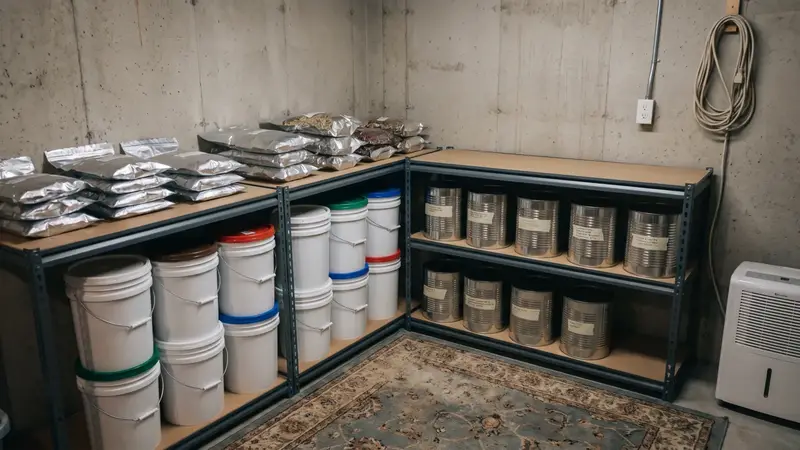 Long-term food storage: how to build a 3-month or 1-year supplyHow to store food for months or a year: which staples last decades, how to pack them with Mylar and oxygen abs…