Cooking without power: safe ways to make a hot meal in an outage, and what never to do indoors
How to cook without power: what to eat cold, what is safe outdoors, and the carbon monoxide rules for grills, propane and camp stoves, from the CDC, CPSC and Ready.gov.
By Tom Calder · Updated October 30, 2026 · Sourced to the CDC, CPSC, Ready.gov and the American Red Cross
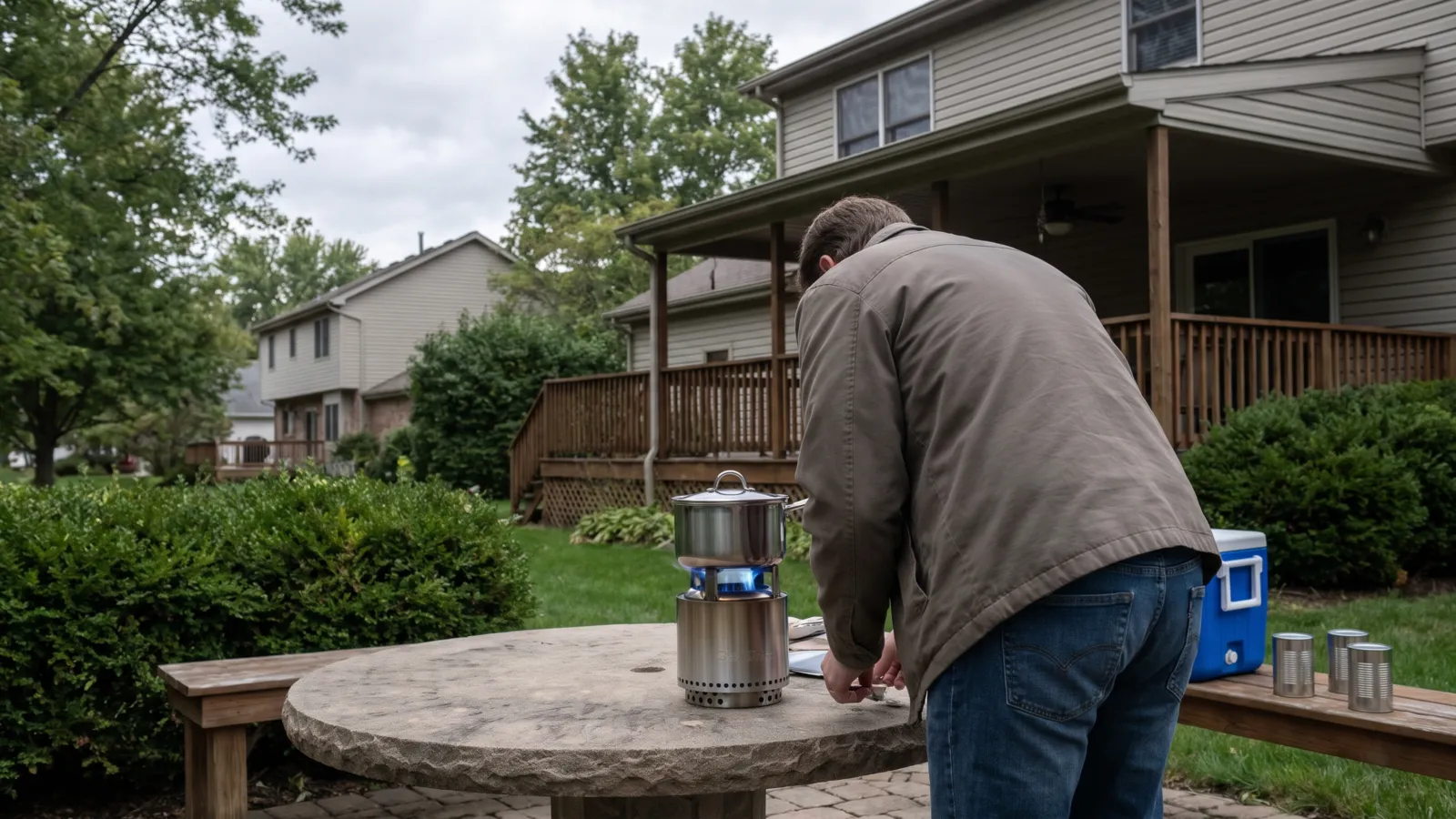
- You may not need to cook at all. Ready.gov says to stock foods that do not require refrigeration, cooking, water or special preparation, and canned food may be eaten out of the can.
- Charcoal grills, gas grills, propane and camp stoves are for outdoors only. The CDC says never to use a charcoal grill, hibachi, lantern, or portable camping stove inside a home, tent, or camper.
- The CDC says carbon monoxide is odorless and colorless and "kills without warning." Cook outdoors, at least 20 feet from windows (Ready.gov and the Red Cross). CPSC says to install battery-operated CO alarms or CO alarms with battery backup on every level of the home and outside sleeping areas.
- Never use a gas range or oven to heat a home (CDC). The CDC also says: "Don't cook or burn anything on a stove or fireplace that isn't vented."
- CPSC lists the symptoms as headache, dizziness, weakness, nausea, vomiting, sleepiness, and confusion. "If you suspect CO poisoning, get outside to fresh air immediately, and then call 911."
First, you may not need to cook
Ready.gov's food page says: "Stock canned foods, dry mixes and other staples that do not require refrigeration, cooking, water or special preparation. Be sure to include a manual can opener and eating utensils." It also says: "Commercially canned food may be eaten out of the can without warming."
For a short outage, a plan built around food you can eat cold is the simplest and the safest. Our non-perishable food list has ideas, and food safety in a power outage covers what is in the fridge. If you want a hot meal, use one of the outdoor methods below.
The rule that matters: outdoors only
The CDC says: "Never use a charcoal grill, hibachi, lantern, or portable camping stove inside a home, tent, or camper." It adds: "Never burn charcoal indoors. Burning charcoal - red, gray, black, or white - gives off CO," and "Never use a portable gas camp stove indoors." Ready.gov likewise says charcoal grills and camp stoves are for outdoor use only.
Ready.gov and the Red Cross both say to use generators, camp stoves and charcoal grills outdoors, at least 20 feet away from windows. The Red Cross also says not to use outdoor stoves indoors for heating or cooking. The CDC's rules for grills and camp stoves say never indoors, with no exception for open windows. For generators it adds: "even if doors and windows are open."
Gas grills, propane and camp stoves
A gas grill or a propane camp stove is a good outage cooker, as long as it stays outside. CPSC's grilling safety sheet says: "Use grills outside only, in well-ventilated areas, and never indoors, in a garage, breezeway, carport, porch or under a surface that will burn." So keep it clear of the house, the deck rail and low branches, and never leave a hot grill unattended or let children near it.
CPSC also advises you to look over the grill and any gas hoses for cracking, brittleness, holes and leaks, and to replace them if necessary, and to check cpsc.gov to see if a grill has been recalled. Check this now, before you need it. For a propane stove, follow the maker's instructions for the cylinders it takes and where to store them. Our camp stove comparison lists current models, and you may already own a grill that does the job.
Your indoor stove, oven and fireplace
Your own range is made for indoor use, but not for heating. Ready.gov says: "Never use a gas stovetop or oven to heat your home," and says using an oven or stovetop can also increase the risk of fires, burns and damage to the appliance. The CDC says: "Never use a gas range or oven to heat a home."
The CDC also says: "Don't cook or burn anything on a stove or fireplace that isn't vented." For wood stoves and fireplaces it says: "If you plan to use a wood stove, fireplace, or space heater, be extremely careful. Follow the manufacturer's instructions." Outdoor stoves are never for indoors. Whether you can light your gas range by hand when the power is out depends on the model, so check the owner's manual.
Carbon monoxide alarms and warning signs
Ready.gov says: "Install carbon monoxide detectors with battery backup in central locations on every level of your home." CPSC says to install battery-operated CO alarms or alarms with battery backup on every level of the home and outside sleeping areas. See our carbon monoxide alarm comparison and the carbon monoxide poisoning guide.
CPSC lists the symptoms of carbon monoxide poisoning as headache, dizziness, weakness, nausea, vomiting, sleepiness, and confusion. Its advice: "If you suspect CO poisoning, get outside to fresh air immediately, and then call 911." The CDC notes that people who are sleeping can die from CO poisoning before they have symptoms.
Other ways to get a hot meal
A good option is to eat what is already cooked: Ready.gov says canned food can be eaten as it is, and its guidance for heating a can is to wash and disinfect the can with a diluted bleach solution (one part bleach to 10 parts water) and open it before heating.
If you have a battery pack or portable power station, you may be able to run a small electric kettle or hot plate, but check the appliance's watts against the unit's output first. Our power station comparison and generator sizing tool show how. The CDC says: "Never use a generator inside your home or garage, even if doors and windows are open. Only use generators outside, more than 20 feet away from any windows, doors, and vents."
You do not need a camp stove. A stock of food that needs no cooking, a manual can opener and working carbon monoxide alarms cover the outage basics. If you have a gas or charcoal grill, you already have an outdoor cooker: check the hose, keep it at least 20 feet from windows as Ready.gov says, and put battery-operated or battery-backup CO alarms in place before you need them.
Common questions
Can I cook on a camp stove or grill indoors if I open a window?
No. The CDC says never to use a charcoal grill, hibachi, lantern or portable camping stove inside a home, tent or camper, and never to use a portable gas camp stove indoors. CPSC says to use grills outside only, in well-ventilated areas.
How far from the house should I cook with a camp stove or grill?
Ready.gov and the Red Cross say at least 20 feet away from windows. CPSC also says never to use a grill in a garage, breezeway, carport, porch or under a surface that will burn.
Can I use my gas stove during a power outage?
Your gas range is made for indoor cooking, but whether it lights without power depends on the model, so check the manual. Never use a gas stovetop or oven to heat your home (Ready.gov and the CDC).
What are the signs of carbon monoxide poisoning?
CPSC lists headache, dizziness, weakness, nausea, vomiting, sleepiness, and confusion. If you suspect it, get outside to fresh air immediately, then call 911.
What can I eat without cooking?
Ready.gov says canned food may be eaten out of the can without warming, and suggests canned meats, fruits and vegetables. Our non-perishable food list has more ideas.
Get one calm email when it matters
Seasonal checklists and gear price drops. No spam, unsubscribe any time.
Keep reading
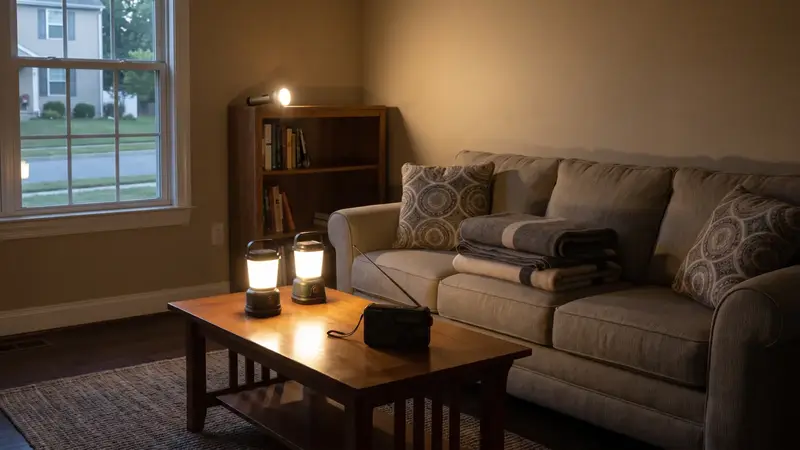 Power outage checklist: what to do before, during and afterA calm power outage checklist from Ready.gov and CDC: what to prepare, how to protect food, medicines and medi…
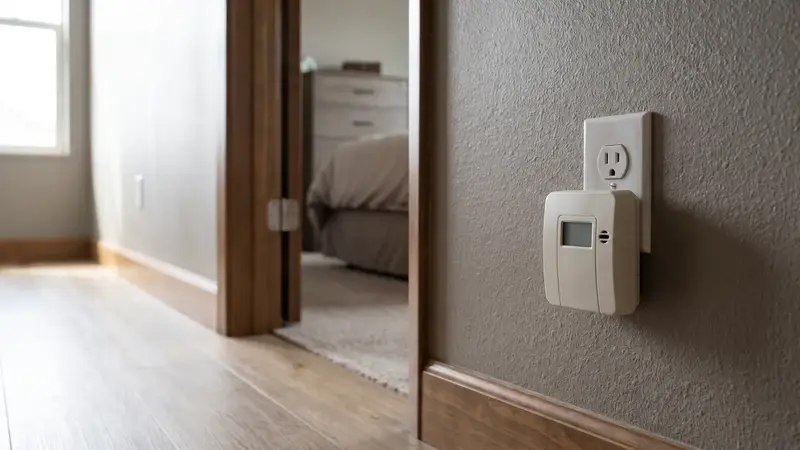 Carbon monoxide poisoning: symptoms, sources, alarms and what to doWhat CO poisoning feels like, who is most at risk, common sources in winter and outages, where to put CO alarm…
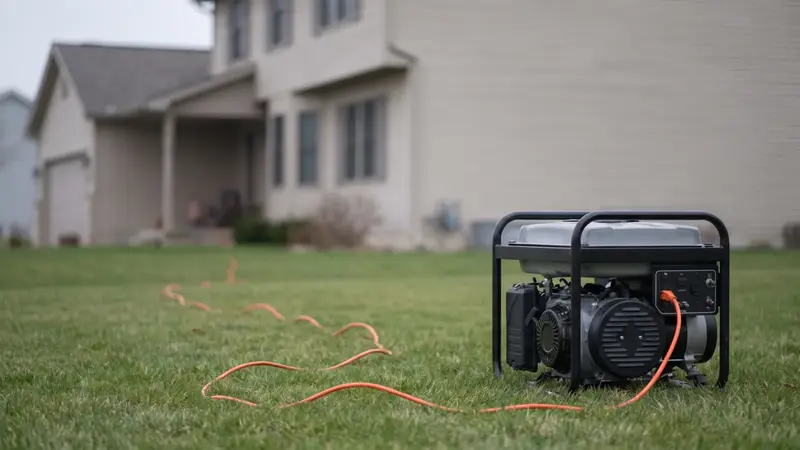 Portable generator safety: where to run it, carbon monoxide and cordsHow to use a portable generator safely in an outage: 20 feet from windows, never in a garage, CO alarms, outdo…
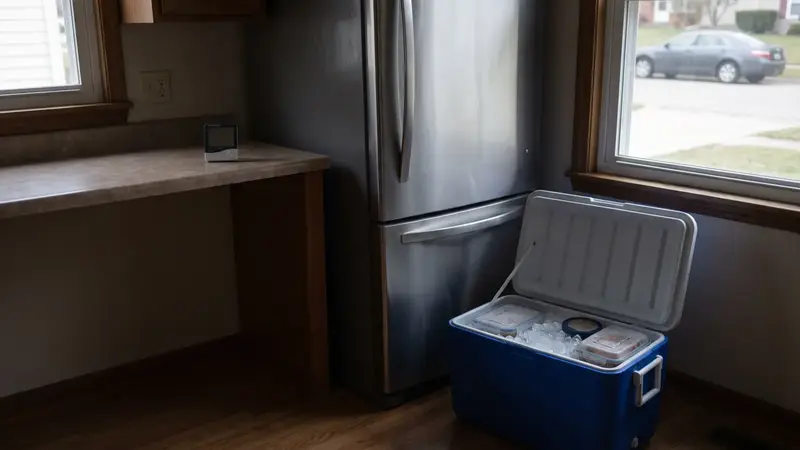 Food safety in a power outage: how long food lasts and what to throw outHow long food stays safe in the fridge and freezer without power, what to throw out, and when you can refreeze…