Is a massive winter storm about to hit 40 states and 240 million people? What NWS shows now
On November 1, NWS winter alerts covered 7 states, all for western mountains, and the week ahead is mostly rain in the East. Where the 40 states and 240 million fit.
By Tom Calder · Updated November 1, 2026 · Sourced to National Weather Service alerts and Weather Prediction Center forecasts, NOAA and Ready.gov
“WINTER WARNING: A massive winter storm is set to impact more than 40 states, putting over 240 million people at risk from crippling snow and ice.”
Not in this week's forecasts. The figures match January's storm.
- A post shared on November 1 says a massive winter storm is set to hit more than 40 states and put over 240 million people at risk from crippling snow and ice.
- By mid-morning, the National Weather Service's winter alerts covered 7 states, all for mountains in the West and Alaska. The Weather Prediction Center's forecasts for the week ahead describe heavy mountain snow in the Rockies and a rain and thunderstorm system for the eastern US, not a 40-state winter storm.
- The same figures, and almost the same words, were in Fox coverage of the real storm of January 2026. We couldn't find who posted the November version, so we can't say it was copied.
- Check your own local forecast. If you aren't under an alert, there's nothing to buy today.
The three things most homes are missing
Our top pick from each comparisonIf you already have these, you're most of the way there. As an Amazon Associate, PreparedStates earns from qualifying purchases. We may earn a commission when you buy through our links. When two products are close, commission can decide which one we pick. A clearly better product always wins.
What the National Weather Service actually shows
When we read the NWS active alert feed at 10:06 AM ET on November 1, it held 9 winter alerts touching 7 states: Alaska, Colorado, Idaho, Montana, Nevada, Utah and Wyoming. Not 40.
There were 4 Winter Storm Warnings, all for mountains: the Ruby Mountains and East Humboldt Range in Nevada (12 to 16 inches above 7,500 feet), the Klondike Highway and White Pass in Alaska (9 to 14 inches), and two for Colorado's San Juan Mountains (8 to 14 inches above 10,000 feet in the eastern San Juans, and 12 to 18 inches above 10,000 feet in the northwest and southwest San Juans).
One Winter Storm Watch covered the Pryor and Bighorn Mountains in Montana and Wyoming, with up to 8 inches possible. Four Winter Weather Advisories covered mountain areas in Colorado, Wyoming, Idaho and Utah. There were no winter or frost alerts in the East: 2 Frost Advisories for parts of Connecticut, New York, New Jersey and Pennsylvania ended at 8 AM.
What forecasters expect this week
The Weather Prediction Center's winter discussion, issued at 2:22 AM ET on November 1 and valid to Wednesday morning, says most of the precipitation is expected to be rain, but heavy mountain snow is likely, especially above 9,000 feet, with the heaviest in the San Juans, Uintas, Wind River Range and Colorado's Elk Mountains, where locally 2 feet is possible. It says notable snow below 6,000 feet is not currently expected, and puts the chance of significant ice anywhere in the lower 48 at less than 10 percent.
Its short-range discussion says a strong low will form over the High Plains on Monday, bringing wind, showers and possible severe thunderstorms to the Plains. It says a large high pressure system sliding off the East Coast will provide dry weather for much of the eastern US, with colder than normal conditions in New England.
WPC's extended discussion for Wednesday to next Sunday, issued at 1:28 AM ET, describes a storm system that will bring heavy rain and thunderstorms across the eastern US, with a Marginal Risk of excessive rainfall for parts of the Ohio and Tennessee Valleys and the Southeast on Wednesday. The only snow it mentions is possible high-elevation snow around the Four Corners and central Plains.
Where the 40 states and 240 million have appeared before
The figures fit a real storm: January 2026's. On January 22, Fox 29 Philadelphia reported that "a massive winter storm this weekend will impact 240 million people across more than 40 states" and would "deliver crippling snow and ice." The shared post closely matches that wording.
NOAA says that storm hit the central and eastern US from January 24 to 26, with Ice Storm Warnings across much of the Southeast and Winter Storm Warnings across much of the Midwest, Mid-Atlantic and Northeast. By January 26, it says, snow covered more than half of the lower 48. The November post may be an old warning shared again, or new wording that happens to match; without the original post, we can't say which.
What it means for your home
If you live or drive in the western mountains named above, take the alerts seriously. NWS says a Winter Storm Warning means travel will become difficult or impossible in some situations, and to delay your travel plans until conditions improve.
Everywhere else, early November is a calm time to get ready for the season. Ready.gov's advice is to pay attention to weather reports and warnings, and to sign up for your community's warning system. Our winter storm tracker shows every active winter alert by state, straight from NWS, and the winter storm kit sizes Ready.gov's list to your household. The winter storm preparedness guide covers the home.
What not to do
Don't stock up because of a post with no date and no source. You don't need to buy anything because of this post. Don't ignore a real warning for your own county, either: your local NWS office's forecast is the one that counts, and forecasts a week out can change.
This check reflects NWS alerts and WPC forecasts read at about 10 AM ET on November 1, 2026. If NWS issues Winter Storm Watches or Warnings across many states, or WPC's discussions forecast a major winter storm for the eastern or central US, we'll update it. If we find the original post, we'll say who shared it and when.
Common questions
Is a winter storm about to hit more than 40 states?
Not according to the forecasts we read on November 1. NWS winter alerts that morning covered 7 states, all for western mountains, and the Weather Prediction Center's discussions for the week ahead describe mountain snow in the Rockies and a rain and thunderstorm system in the East.
Where does the 240 million figure come from?
The same figure, with more than 40 states and crippling snow and ice, appeared in Fox coverage of the January 2026 storm, which hit the central and eastern US from January 24 to 26. We couldn't find who posted the November version.
Where is it snowing this week?
Mostly in the western mountains. On November 1, NWS had Winter Storm Warnings for mountains in Nevada, Alaska and Colorado. WPC says the heaviest snow is likely above 9,000 feet in the San Juans, Uintas, Wind River Range and Colorado's Elk Mountains, with notable snow below 6,000 feet not currently expected.
What weather is coming to the eastern US?
WPC's extended discussion issued November 1 describes a storm system that will bring heavy rain and thunderstorms across the eastern US from Wednesday, moving into the Mid-Atlantic and Northeast later in the week, with cooler and drier conditions behind it.
How do I check the winter alerts for my area?
Check your local National Weather Service forecast, or our winter storm tracker, which lists every active winter alert by state from NWS.
Sources (15)
- NWS: Active alerts (read Nov 1, 2026, 15:06 UTC)
- NWS Elko: Winter Storm Warning, Ruby Mountains and East Humboldt Range (Nov 1, 2026)
- NWS Juneau: Winter Storm Warning, Klondike Highway (Nov 1, 2026)
- NWS Pueblo: Winter Storm Warning, Eastern San Juan Mountains (Nov 1, 2026)
- NWS Grand Junction: Winter Storm Warning, Northwest and Southwest San Juan Mountains (Nov 1, 2026)
- NWS Billings: Winter Storm Watch, Bighorn Mountains (Nov 1, 2026)
- NWS Upton: Frost Advisory, Connecticut and New York (Nov 1, 2026)
- NWS Mount Holly: Frost Advisory, New Jersey and Pennsylvania (Nov 1, 2026)
- WPC: Probabilistic Heavy Snow and Icing Discussion (2:22 AM EST, Nov 1, 2026)
- WPC: Short Range Forecast Discussion (2:58 AM EST, Nov 1, 2026)
- WPC: Extended Forecast Discussion (1:28 AM EST, Nov 1, 2026)
- NOAA NESDIS: NOAA Satellites Monitor Massive Winter Storm (Jan 30, 2026)
- Fox 29 Philadelphia: Winter storm: More than 240 million in path of dangerous ice, snow, and bitter cold air (Jan 22, 2026)
- NWS: Winter weather warnings, watches and advisories
- Ready.gov: Winter Weather
Get one calm email when it matters
Seasonal checklists and gear price drops. No spam, unsubscribe any time.
Keep reading
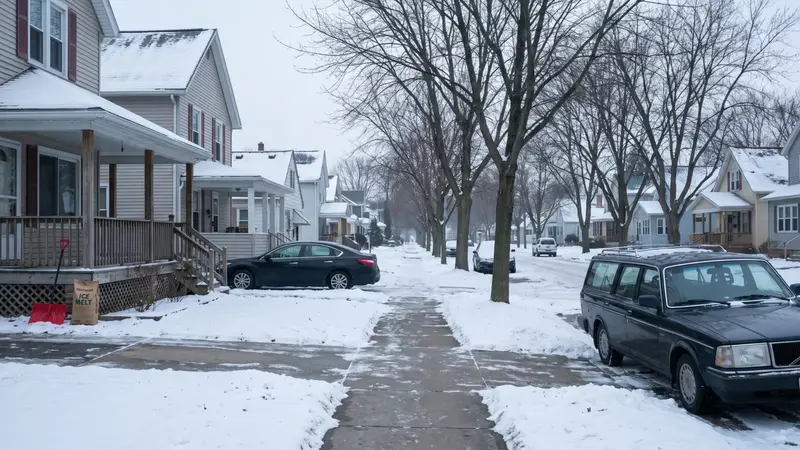 Winter storm preparedness checklist: before, during and afterA plain-English winter storm checklist: watch vs warning, home prep, supplies, staying warm, shoveling and car…
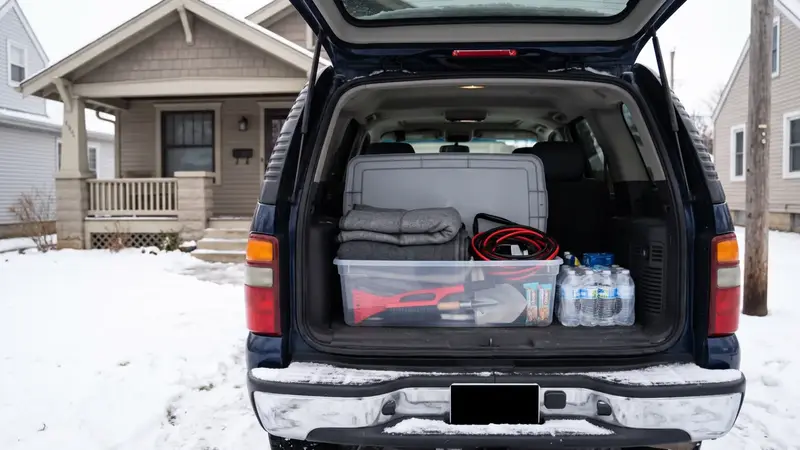 Winter car emergency kit: what to keep in your car and what to do if you're strandedWhat to keep in your car for winter and what to do if you get stranded: stay with the car, clear the exhaust p…
 How to stay warm without power in winter, safelyStay warm in a winter power outage safely: keep heat in, dress in layers, never heat with an oven or grill, kn…
 Frozen pipes: how to prevent them and what to do if they freezeHow to keep pipes from freezing and what to do if they do: insulate, let faucets drip, thaw safely with a hair…