Winter storm watch: what it means and what to do
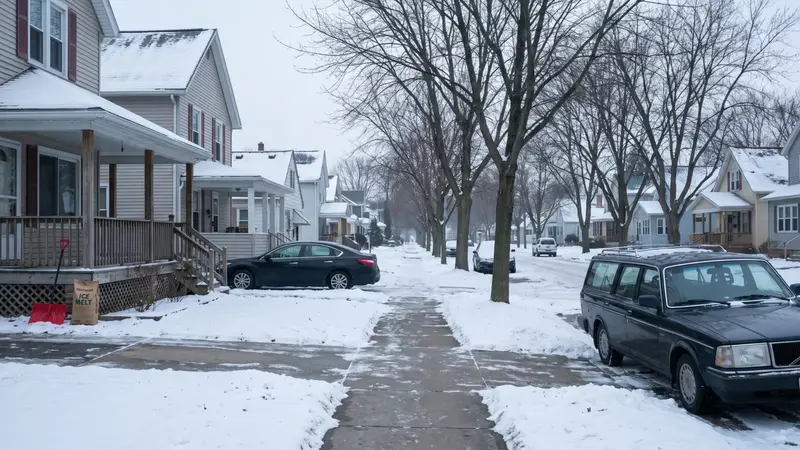
“Winter Storm Watches are issued when conditions are favorable for a significant winter storm event (heavy sleet, heavy snow, ice storm, heavy snow and blowing snow or a combination of events.)”
weather.gov →Winter Storm Watches in effect right now
No Winter Storm Watches in effect right now, 9 Winter Weather Advisories.
States: Wyoming, Colorado, South Dakota, Montana
- Winter Weather Advisory until Nov 3, 2026, 2:00 AM ETElkhead and Park Mountains
- Winter Weather Advisory until Nov 3, 2026, 1:00 AM ETSierra Madre Range; Snowy Range
- Winter Weather Advisory until Nov 3, 2026, 1:00 AM ETNorth Laramie Range
- Winter Weather Advisory until Nov 3, 2026, 1:00 AM ETSouth Laramie Range
- Winter Weather Advisory until Nov 3, 2026, 4:00 AM ETNiobrara County
- Winter Weather Advisory until Nov 3, 2026, 2:00 AM ETSouth and Southeast Grand/West Central and Southwest Boulder/Gilpin/Clear Creek/Summit/North and West Park Counties Above 9000 Feet
- Winter Weather Advisory until Nov 3, 2026, 2:00 AM ETWest Jackson and West Grand Counties Above 9000 Feet; South and East Jackson/Larimer/North and Northeast Grand/Northwest Boulder Counties Above 9000 Feet
- Winter Weather Advisory until Nov 3, 2026, 7:00 AM ETNorthern Black Hills; Wyoming Black Hills
- Winter Weather Advisory until Nov 2, 2026, 10:00 PM ETPryor/Northern Bighorn Mountains; Northeast Bighorn Mountains
National Weather Service data, updated Nov 2, 2026, 9:41 PM ET. Not an official warning: follow your local NWS office. All US alerts →
What to do now
- A watch means a significant winter storm is possible, so prepare. A warning means one is imminent or underway, so take action.
- Stock several days of food, water and medication, plus extra batteries, a radio and flashlights, before the storm arrives.
- Insulate and weather-strip your home, learn how to keep pipes from freezing, and test smoke and carbon monoxide alarms.
- Never heat your home with a gas stovetop or oven, and use generators and grills only outdoors and away from windows.
From our winter storm preparedness checklist guide, which links every source.
At home
- Limit your time outside: CDC says winter storms can bring cold, power failures, lost communications and icy roads, and staying indoors as much as possible can help reduce the risk of car crashes and falls on ice, though there are hazards inside the home too.
- Plan for loss of heat, power and phone service: have flashlights with extra batteries, a battery-powered NOAA Weather Radio, food that needs no cooking or refrigeration, water and extra prescription medicine (NWS).
- If you use a fireplace, wood stove or space heater, use fire safeguards and keep it properly ventilated, and never run a generator in an enclosed space (NWS).
- Make sure your carbon monoxide detector works and the outside vent is clear of leaves and debris; during or after the storm, make sure it is cleared of snow (NWS).
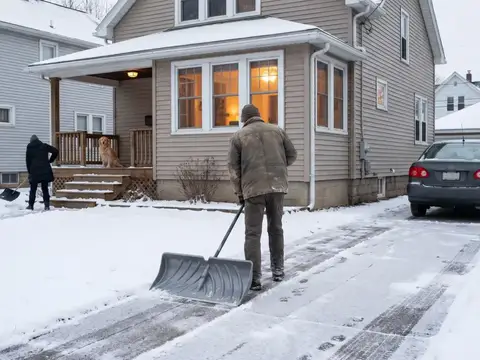
- Avoid overexertion such as shoveling heavy snow, pushing a car or walking in deep snow if you are not in good health: NWS warns the strain from the cold and hard labor may cause a heart attack.
From NWS: Prepare! Don't Let a Winter Storm Take You by Surprise and NWS: What To Do If You're Caught in a Winter Storm and CDC: Winter Weather: Before, During, and After.
On the road
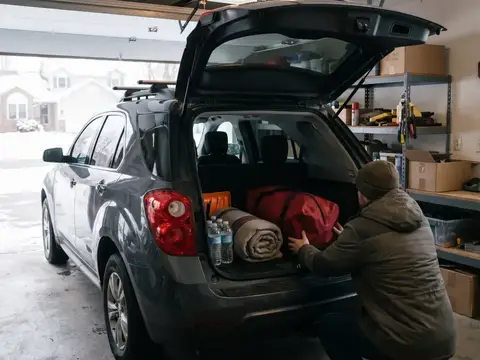
- Do not travel. If you must, NWS says to carry a winter survival kit, keep the tank near full, clear all snow and ice off the vehicle, and tell someone your route and timetable.
- Slow down: roads that just look wet can still be slick. If you have trouble seeing, pull over and stop until visibility improves; turn off your lights and set the parking brake so another car won't follow your tail lights into you (NWS).
- If you get stuck, stay in the vehicle: in wind-driven snow and cold you become disoriented quickly outside (NWS).
- Run the motor about 10 minutes each hour for heat; while it runs, open a window a little for fresh air to avoid carbon monoxide poisoning, and clear snow from the exhaust pipe (NWS).
- Be visible: tie a bright cloth, preferably red, to the antenna or door, turn on the dome light at night while the engine runs, and raise the hood once the snow stops (NWS).
From NWS: What To Do If You're Caught in a Winter Storm and NWS: Winter Weather Warnings, Watches and Advisories.
Watch, warning or advisory?
Each in the National Weather Service's own words.
Winter Storm Watch
“Winter Storm Watches are issued when conditions are favorable for a significant winter storm event (heavy sleet, heavy snow, ice storm, heavy snow and blowing snow or a combination of events.)”
Winter Storm Warning
“Winter Storm Warnings are issued for a significant winter weather event including snow, ice, sleet or blowing snow or a combination of these hazards. Travel will become difficult or impossible in some situations. Delay your travel plans until conditions improve.”
Winter Weather Advisory
“Winter Weather Advisories are issued when snow, blowing snow, ice, sleet, or a combination of these wintry elements is expected but conditions should not be hazardous enough to meet warning criteria. Be prepared for winter driving conditions and possible travel difficulties. Use caution when driving.”
A watch is the early notice: the storm is possible, not certain. Ready.gov says winter storm watches are usually issued 12 to 48 hours before a storm begins, which is the time to check your supplies, charge phones and power banks, and fill the car's tank. Each NWS office issues winter alerts on its own local criteria: NWS notes the snow that triggers a warning in the Northern Plains is typically much higher than in the Southeast.
Get ready before the next one
Also: How to stay warm without power in winter, safely · Power outage checklist · Winter car emergency kit
Related alerts
A calm checklist before the season's storms
One email when it matters. No spam.