Air quality alert: what it means and what to do
“The Air Quality Alerts will be issued on behalf of the Clean Air Partnership of St. Louis for increased levels of atmospheric pollutants and smoke which may result in potentially harmful impacts, especially for those with a pre-existing health condition.”
weather.gov →Air Quality Alerts in effect right now
No Air Quality Alerts in effect right now.
National Weather Service data, updated Nov 2, 2026, 9:52 PM ET. Not an official warning: follow your local NWS office. All US alerts →
What to do now
- Check your local AQI at airnow.gov or in your weather app, and stay inside if authorities tell you to.
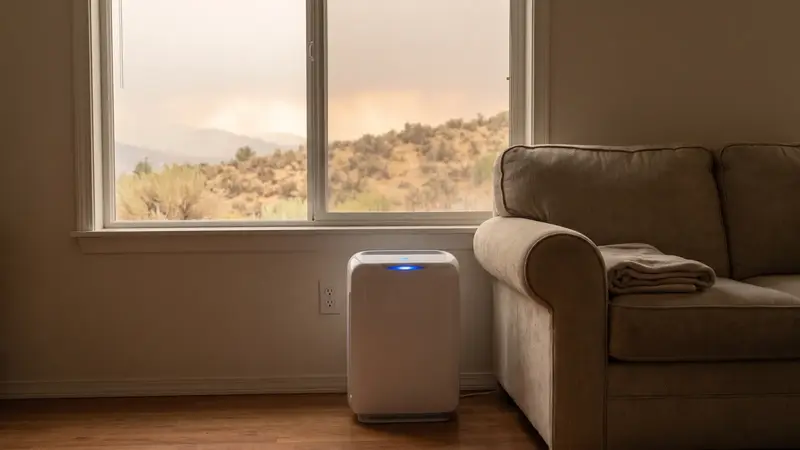
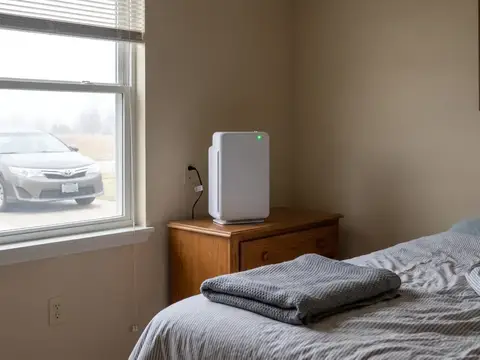
- Pick a room you can close off, keep its windows and doors shut, and run a portable air cleaner on the highest fan setting.
- For central air, the EPA recommends a MERV 13 or higher filter if your system can handle it.
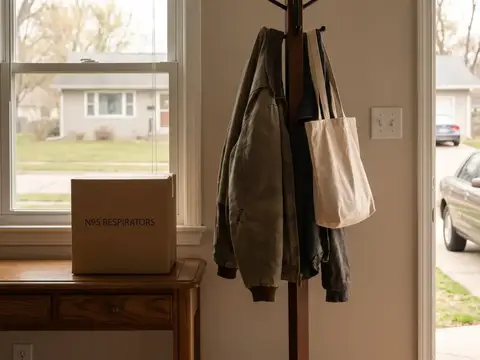
- Outdoors in smoke, a properly fitting N95 or P100 respirator can reduce your exposure, but it needs a tight seal, and facial hair prevents one.
From our how to protect yourself from wildfire smoke guide, which links every source.
That is how NWS St. Louis described the alerts it began issuing in 2023. Across the country, NWS offices issue Air Quality Alerts on behalf of a state or local air agency, which decides when one is needed (in Colorado, for example, NWS relays the state health department's ozone and other alerts), so when one goes out varies by place. Check the AQI for where you are at AirNow: EPA says values above 100 are unhealthy, first for sensitive groups and then for everyone as they rise.
Get ready before the next one
Also: Emergency preparedness for older adults
Related alerts
A calm checklist before the season's storms
One email when it matters. No spam.