Special weather statement: what it means and what to do

“Special Weather Statements (SPS) provide the public with information concerning ongoing or imminent weather hazards, which require a heightened level of awareness or action. Although typically used for hazards within 6 hours of product issuance, the SPS may also be used to heighten the awareness of a major event forecast to occur beyond 6 hours.”
weather.gov →Special Weather Statements in effect right now
5 Special Weather Statements in effect.
- Special Weather Statement until Nov 2, 2026, 10:30 PM ETMontague
- Special Weather Statement until Nov 2, 2026, 10:30 PM ETClay; Fillmore; Nuckolls; Thayer
- Special Weather Statement until Nov 2, 2026, 10:15 PM ETArcher; Clay
- Special Weather Statement until Nov 2, 2026, 10:15 PM ETYoung; Jack; Stephens; Palo Pinto
- Special Weather Statement until Nov 2, 2026, 10:30 PM ETCoke; Runnels; Tom Green; Concho; Taylor; Callahan; Coleman; Brown
National Weather Service data, updated Nov 2, 2026, 9:46 PM ET. Not an official warning: follow your local NWS office. All US alerts →
What to do now
- You do not need to sign up, download an app or pay for Wireless Emergency Alerts (WEA). The FCC says alerts are free and need no sign-up, as long as your carrier takes part and your phone can receive them.
- Check your phone's notification settings. Ready.gov says older phones may not be WEA capable and some models require you to enable WEAs. Some carriers call them "Government Alerts" or "Emergency Alert Messages."
- WEA is one of several channels. FEMA's IPAWS sends alerts to phones, to radio and TV through the Emergency Alert System, and to NOAA Weather Radio.
- A phone alert can be missed (airplane mode, no signal, a VPN), so Ready.gov says to have several ways to receive alerts.
From our emergency alerts on your phone guide, which links every source.
A special weather statement is not a watch or a warning. NWS offices use it for hazards that need attention but don't meet warning criteria, including strong thunderstorms just below severe level: NWS's instruction lists gusts of 40 to 57 mph, hail under 1 inch and frequent lightning. Read the statement itself for what it covers where you are, and watch for updates in case a warning follows.
Get ready before the next one
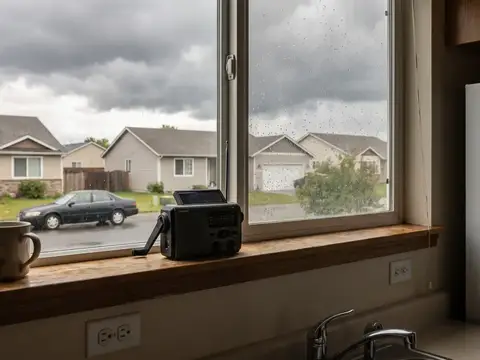
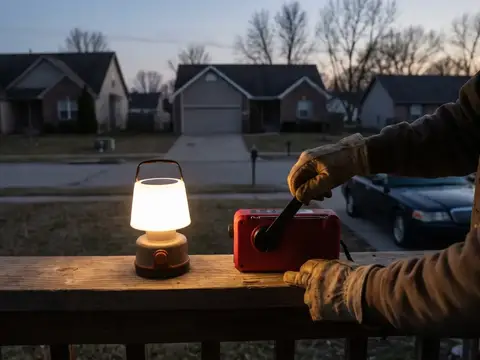
Also: NOAA Weather Radio and hand-crank radios in a power outage · Power outage checklist

A calm checklist before the season's storms
One email when it matters. No spam.