North Georgia flash flooding: what a catastrophic warning means, and a calm checklist for home
NWS issued flash flood emergencies in Fannin and Gilmer counties on November 4 and 5. What the catastrophic tag means, and what to check at home now.
By Tom Calder · Updated November 5, 2026 · Sourced to the National Weather Service's alerts, storm reports and forecast for north Georgia, its flood safety pages, CDC and FEMA's FloodSmart
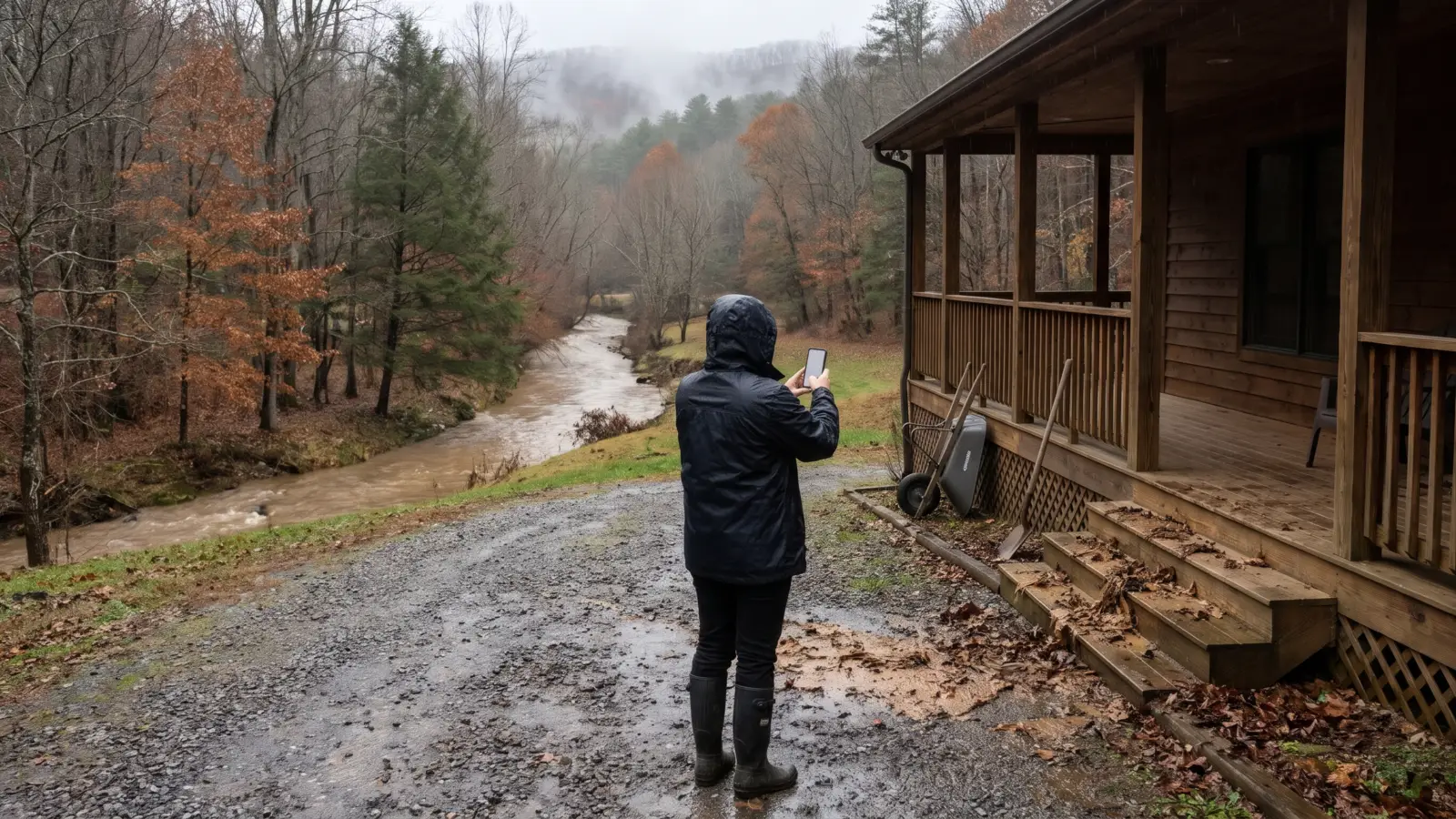
- Overnight on November 4 and 5, the National Weather Service (NWS) in Peachtree City issued flash flood warnings for Fannin, Gilmer, Murray and Union counties in north Georgia. Two carried its highest tag, catastrophic, and declared a flash flood emergency, first for southern Fannin and northern Gilmer, then for McCaysville.
- One gauge northwest of Blue Ridge measured 11.19 inches of rain in under six hours, NWS storm reports say. Law enforcement and emergency managers reported water rescues, mudslides and water in homes. We have not found an official count of people rescued.
- NWS says the rain has ended in the flooded parts of north Georgia. It cancelled the last flood warning, for Fannin County, at 2 PM on November 5, and its forecast says no significant new rain is expected.
- If water reached your home, wait for the all clear before going back in, have the electrical system checked first, don't drink well water that may be contaminated unless it is boiled until it has been tested, and photograph damage before you clean. You don't need to buy anything.
What happened overnight
NWS Peachtree City issued its first flash flood warning for Fannin, Gilmer, Murray and Union counties at 8:55 PM on Wednesday, November 4, saying 1 to 2 inches of rain had fallen. At 9:30 PM it issued a second warning, with its considerable tag, for northwestern Fannin and north-central Gilmer, where 3 to 4 inches had fallen. At 10:47 PM, after local law enforcement reported heavy rain "resulting in mudslides and water rescue," it extended that warning and declared a "FLASH FLOOD EMERGENCY for Southern Fannin and Northern Gilmer," with 5 to 6 inches already down. It named Blue Ridge, Higdon and Colwell.
NWS storm reports log what people saw that night. Fannin County's emergency manager reported a "Water rescue with water in residence" south of Epworth at 11:47 PM. Reports from Gilmer and Murray counties describe water in homes, and roads north of Cherry Log in Fannin County were reported impassable due to a mudslide. A mesonet site 2 miles northwest of Blue Ridge recorded "11.19 inches in under 6 hours."
McCaysville, the morning after
At 5:08 AM on November 5, NWS said no additional rainfall was expected but flooding impacts would continue, and declared a "FLASH FLOOD EMERGENCY for McCaysville," in north-central Fannin County. A storm report at 6 AM, from a member of the public, described 2 to 3 feet of water near Tennessee Avenue and Blue Ridge Drive, and said the Toccoa River gauge "crested at a new record of 18.05 feet."
At 8:57 AM, NWS said "emergency management reported significant flooding in and around McCaysville." By 10:53 AM it wrote: "Flood waters are starting to slowly recede. Please continue to heed remaining road closures." It cancelled the last flood warning, for Fannin County, at 2 PM.
NWS's alerts and storm reports confirm water rescues but give no total, and we have not found a count from Georgia's emergency management agency or the counties. We will add one when an official source publishes it.
What a catastrophic flash flood warning means
NWS says "A Flash Flood Warning is issued when a flash flood is imminent or occurring." Many flash flood warnings carry a damage-threat tag. A considerable tag means "An unusually dangerous weather hazard that poses a considerable threat to life and property is likely ongoing."
Catastrophic is the top tag. NWS describes it as "An extremely dangerous weather hazard capable of catastrophic damage and a severe threat to human life is likely ongoing," and says such a warning includes the phrase "FLASH FLOOD or TORNADO EMERGENCY." NWS's wording is "likely ongoing": the flooding is probably already happening.
The instruction in this week's emergencies was plain: "Do not attempt to travel unless you are fleeing an area subject to flooding or under an evacuation order." If a catastrophic warning ever covers your area, move to higher ground and don't travel unless you are fleeing flooding or under an evacuation order. Our guide to emergency alerts on your phone shows how to make sure warnings like these reach your phone.
Is more rain coming?
Not this week, NWS says. Its Peachtree City forecast discussion on the afternoon of November 5 says "New significant rainfall totals are not expected as dry air is rapidly filtering in," and "Calm and pleasant fall weather is expected" through the long-term forecast. It still asks people to "avoid driving on closed roads."
As of 6 PM ET on November 5, NWS showed no active watches, warnings or advisories in Georgia. Your state page and our live alerts page show anything new.
If water reached your home
Go back only when it is safe. NWS says: "Do not enter a flood damaged home or building until you're given the All Clear by authorities." Stay out of the water itself. CDC says "Stay out of floodwater," because it can carry sewage, chemicals and debris. If you must step in, CDC says wear "rubber boots, rubber gloves, and goggles."
- Electrical system first. CDC says "Have an electrician check the house's electrical system before turning the power on again," and never turn power on or off, or use an electric tool, while standing in water.
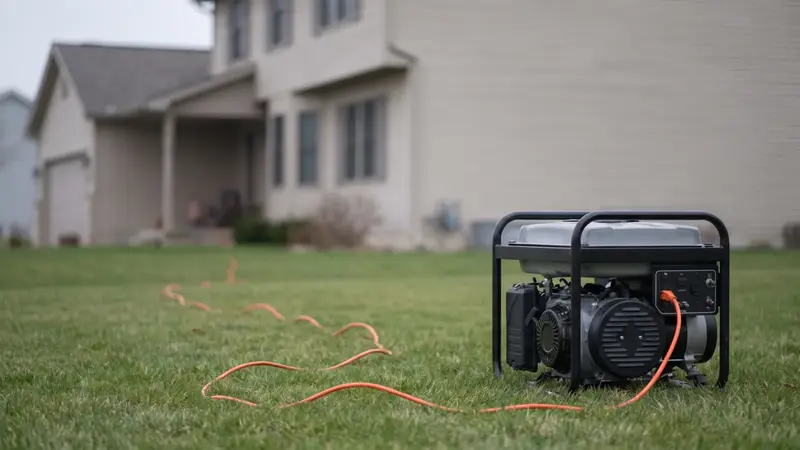
- Generators outside only. If you run one during cleanup, CDC says never closer than 20 feet to any door, window or vent, even with them open. Our generator safety guide explains why.
- Assume mold. CDC says "If your home has been flooded and has been closed up for several days, assume your home has mold." Dry it out with fans blowing outward.
- Photos before cleanup. FloodSmart says "Take clear pictures and videos of damaged items before cleaning, fixing or throwing them out."
If you're on a private well
If your home is on a private well, flood water can reach it. CDC says: "If extensive flooding has occurred or you suspect that the well may be contaminated, do not drink the water." Until it has been tested, boil it, "rolling boil for 1 minute," or use bottled water.
CDC says to contact your local or state health department or agriculture extension agent for advice on disinfecting your well. Before the well pump goes back on, CDC says a qualified electrician, well contractor or pump contractor should check its wiring. CDC recommends having a contractor disinfect the well, then waiting at least 7 to 10 days before having the water tested. Water contaminated with fuel or toxic chemicals can't be made safe by boiling or disinfection; CDC says use bottled water until you know it's safe. Our boil water guide covers boiling and storing water.
What you don't need to do
You don't need to buy anything because of this flood. Don't drive out to look at the damage: NWS says "Do not visit disaster areas," because sightseers can get in the way of rescue crews. On any flooded road, turn around. NWS says just 12 inches of rushing water can carry away most cars, and "The road may have collapsed under that water." Our guide to driving through flood water explains why.
FloodSmart says "Most homeowners and renters insurance does not cover flood damage," and a new flood policy usually starts 30 days after purchase. It won't help with this flood, but it is worth a look before the next one. Our flood preparedness guide explains how it works.
We will update this story if Georgia's emergency management agency or the counties publish an official count of rescues, if Georgia declares a state of emergency or FEMA declares a disaster for the flooding, or if NWS issues new flood alerts for north Georgia. NWS's active alerts at weather.gov are the official, current picture.
Common questions
What is a catastrophic flash flood warning?
It is a flash flood warning with NWS's highest damage-threat tag. NWS says it means "An extremely dangerous weather hazard capable of catastrophic damage and a severe threat to human life is likely ongoing," and the warning includes the phrase flash flood emergency. If one covers your area, move to higher ground and don't travel unless you are escaping the flood or told to evacuate.
Is the north Georgia flash flood emergency still in effect?
No. NWS Peachtree City let the flash flood warnings end on the morning of November 5 and cancelled the last flood warning, for Fannin County, at 2 PM. Its forecast says no significant new rain is expected. Roads may still be closed, so check before you travel.
How many people were rescued in the north Georgia flooding?
NWS's alerts and storm reports confirm water rescues in the warned area of Fannin and Gilmer counties but give no total, and we have not found an official count from the state or the counties yet. We will add one when it is published.
Is my well water safe after the flood?
Don't assume so. CDC says that if extensive flooding has occurred or you suspect the well may be contaminated, don't drink the water. Use bottled water, or boil it for 1 minute, until it has been tested. Have the pump's wiring checked before the power goes back on.
Does homeowners insurance cover flood damage?
Usually not. FloodSmart says most homeowners and renters insurance does not cover flood damage. Flood insurance through the National Flood Insurance Program usually takes 30 days to start. Photograph damage before you clean, and contact your insurance agent.
Sources (24)
- NWS Peachtree City: Flash Flood Warning, Fannin, Gilmer, Murray and Union counties (Nov 4, 2026, 8:55 PM EST)
- NWS Peachtree City: Flash Flood Warning, considerable tag, Fannin and Gilmer (Nov 4, 2026, 9:30 PM EST)
- NWS Peachtree City: Flash Flood Emergency, southern Fannin and northern Gilmer (Nov 4, 2026, 10:47 PM EST)
- NWS Peachtree City: Flash Flood Emergency, McCaysville (Nov 5, 2026, 5:08 AM EST)
- NWS Peachtree City: Flash Flood Warning update, McCaysville (Nov 5, 2026, 8:57 AM EST)
- NWS Peachtree City: Flash Flood Warning ended, Fannin County (Nov 5, 2026, 10:53 AM EST)
- NWS Peachtree City: Flood Warning cancelled, Fannin County (Nov 5, 2026, 2:00 PM EST)
- NWS Peachtree City: Storm report, water rescue near Epworth (Nov 4, 2026)
- NWS Peachtree City: Storm report, 11.19 inches near Blue Ridge (Nov 5, 2026)
- NWS Peachtree City: Storm report, McCaysville flooding (Nov 5, 2026)
- NWS Peachtree City: Storm report, water in homes near Cherry Log (Nov 5, 2026)
- NWS Peachtree City: Storm report, mudslide near Cherry Log (Nov 4, 2026)
- NWS Peachtree City: Storm report, water in residence, Murray County (Nov 4, 2026)
- NWS Peachtree City: Area Forecast Discussion (Nov 5, 2026, 1:58 PM EST)
- NWS: Active alerts for Georgia
- National Weather Service: Understanding impact-based warnings
- National Weather Service: Flood Warning vs. Watch
- National Weather Service: Turn Around Don't Drown
- National Weather Service: After a Flood
- CDC: Safety Guidelines: Reentering Your Flooded Home
- CDC: Safety Guidelines: Floodwater
- CDC: How to disinfect wells after an emergency
- FloodSmart: Document your damage
- FloodSmart: What you need to know about buying flood insurance
Get one calm email when it matters
Seasonal checklists and gear price drops. No spam, unsubscribe any time.
Keep reading
 Flood preparedness: flood watch vs warning, what to do and how flood insurance worksFlood watch vs warning, how little moving water can sweep a car away, the 30-day flood insurance wait, and wha…Driving through flood water: how deep is too deep, and why the answer is to turn aroundThe National Weather Service says 12 inches of rushing water carries away most cars and 2 feet takes an SUV. W…
 Emergency alerts on your phone: WEA, IPAWS and NOAA Weather Radio, and how to check they are onHow Wireless Emergency Alerts, IPAWS, the Emergency Alert System and NOAA Weather Radio work, why you may not …
 Portable generator safety: where to run it, carbon monoxide and cordsHow to use a portable generator safely in an outage: 20 feet from windows, never in a garage, CO alarms, outdo…