Best wood stoves: EPA-certified wood-burning stoves compared (2026)
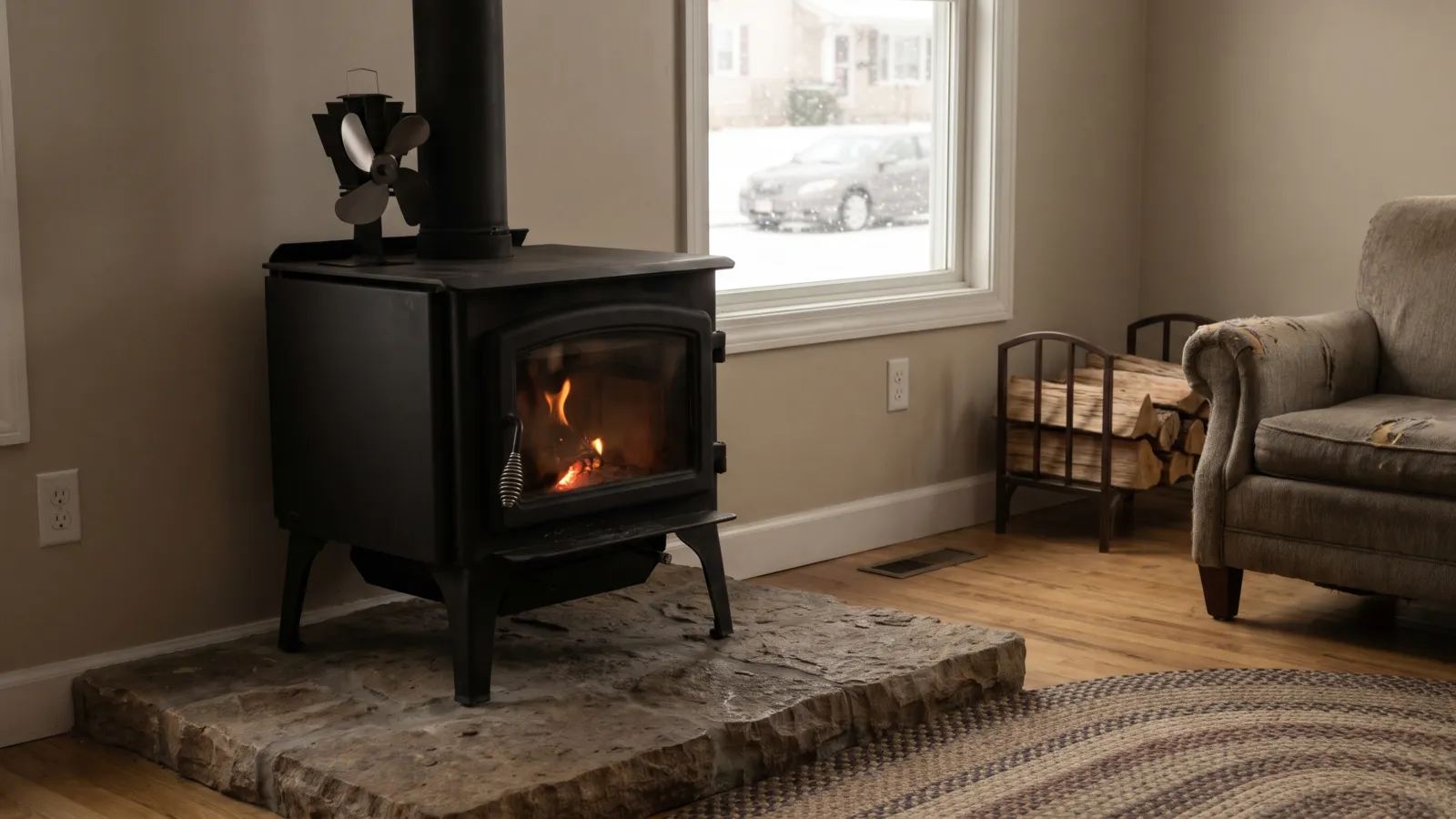
A wood stove can heat part of a home with no electricity at all, which is why many people in cold, rural areas keep one as backup heat for winter outages. EPA's Burn Wise pages (kept as a historic record since the program ended in 2025) advise using a wood heater for supplemental heat or as a backup during power outages. Every stove on this page is on EPA's certified wood heater database and meets the 2020 emission standard; we give EPA's tested particle emissions (grams per hour) and efficiency beside each maker's own heat claims. We haven't tested them ourselves.
By Tom Calder · Updated November 9, 2026 · 5 products, 2 of 5 price-tracked
Our picks
US Stove TH-100
A small home, tiny house or single room
US Stove US2000-P
A mid-size home wanting the cleanest burn among budget stoves
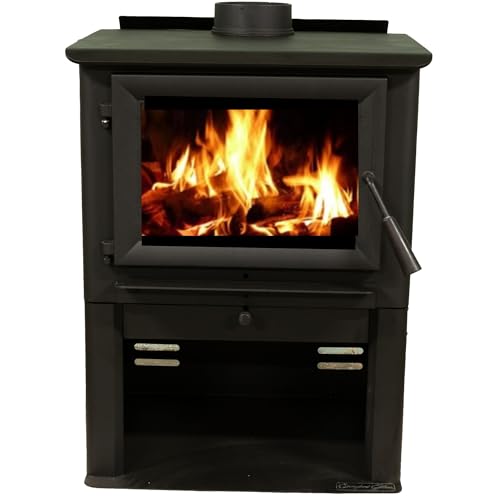 Photo: Amazon
Comfort Glow CGWS2500
A large open-floor-plan home or a shop with a big wood supply
as of Nov 9, 2026, 11:40 AM ET · Details
Product prices and availability are accurate as of the date/time indicated and are subject to change. Any price and availability information displayed on Amazon.com at the time of purchase will apply to the purchase of this product.All 5 compared
| Stove | Heat output (maker max) | Heats up to (maker) | Log length | EPA certification | Efficiency (EPA list) | Price |
|---|---|---|---|---|---|---|
89,000 BTU/hr · 2,000 sq ft · Up to 21 inches · EPA 2020 certified, 1.6 g/hr (EPA list) · 70% (EPA list) A mid-size home wanting the cleanest burn among budget stoves | 89,000 BTU/hr | 2,000 sq ft | Up to 21 inches | EPA 2020 certified, 1.6 g/hr (EPA list) | 70% (EPA list) | |
Our verdictOur verdictResearched US Stove rates the US2000 at up to 89,000 BTUs for about 2,000 square feet, with a 1.6 cubic foot firebox for 21-inch logs. On EPA's list it is certified at 1.6 g/hr and 70% efficiency, the lowest emissions of the budget stoves here. It runs without electricity. Best for A mid-size home wanting the cleanest burn among budget stoves Good
Worth knowing
Who shouldn't buy it: Don't buy it if you want a stove with a catalytic combustor or an efficiency near 80%. | ||||||
112,800 BTU/hr · 2,500 sq ft · Up to 21 inches · EPA 2020 certified, 2.4 g/hr (EPA list) · 72% (EPA list) A large open-floor-plan home or a shop with a big wood supply | 112,800 BTU/hr | 2,500 sq ft | Up to 21 inches | EPA 2020 certified, 2.4 g/hr (EPA list) | 72% (EPA list) | $1,149 at Amazon as of Nov 9, 2026, 11:40 AM ET · DetailsProduct prices and availability are accurate as of the date/time indicated and are subject to change. Any price and availability information displayed on Amazon.com at the time of purchase will apply to the purchase of this product.In stockCheck price → |
Our verdictOur verdictResearched The largest stove in this group: a 2.7 cubic foot firebox that takes 21-inch logs, rated by the maker at up to 112,800 BTUs for 2,500 square feet. EPA's list shows 2.4 g/hr and 72% efficiency, and its tested output tops out at 50,470 BTU/hr, well under the advertised figure, so treat the maker's BTU number as a first-hour peak. Best for A large open-floor-plan home or a shop with a big wood supply Good
Worth knowing
Who shouldn't buy it: Don't buy it if you are heating one small room: EPA notes that a properly sized stove burns less wood and gives more usable heat. | ||||||
26,000 BTU/hr · 750 sq ft · Up to 11 inches · EPA 2020 certified, 1.7 g/hr (EPA list) · 75% (EPA list) A small home, tiny house or single room | 26,000 BTU/hr | 750 sq ft | Up to 11 inches | EPA 2020 certified, 1.7 g/hr (EPA list) | 75% (EPA list) | |
Our verdictOur verdictResearched A compact stove for up to 750 square feet, rated at up to 26,000 BTUs, with an 11-inch log limit and burn times up to 8 hours per the maker. EPA's list shows 1.7 g/hr and 75% efficiency, the best efficiency among this group's budget stoves. Short logs mean more splitting and more reloads. Best for A small home, tiny house or single room Good
Worth knowing
Who shouldn't buy it: Don't buy it if you want long burns or a stove for a whole house. | ||||||
 1,200 sq ft · Up to 18 inches · EPA 2020 certified, 2.4 g/hr (EPA list) · 66% (EPA list) A small-room wood stove with a pedestal base | — | 1,200 sq ft | Up to 18 inches | EPA 2020 certified, 2.4 g/hr (EPA list) | 66% (EPA list) | $1,010.99 at Amazon as of Nov 9, 2026, 11:40 AM ET · DetailsProduct prices and availability are accurate as of the date/time indicated and are subject to change. Any price and availability information displayed on Amazon.com at the time of purchase will apply to the purchase of this product.In stockCheck price → |
Our verdictOur verdictResearched Comfort Glow's pedestal stove heats up to 1,200 square feet per the listing and takes 18-inch logs. EPA's list names the CGWS1500 in its US1100E certified group at 2.4 g/hr and 66% efficiency, with a tested output of up to 39,683 BTU/hr. The listing gives no BTU rating, so compare it on size and EPA's figures. Best for A small-room wood stove with a pedestal base Good
Worth knowing
Who shouldn't buy it: Don't buy it if you need a BTU rating on the product page before you compare stoves. | ||||||
54,000 BTU/hr · 900 sq ft · Up to 19 inches · EPA 2020 certified, 1.9 g/hr (EPA list) · 68% (EPA list) A cabin, garage or workshop that also needs a cooktop surface | 54,000 BTU/hr | 900 sq ft | Up to 19 inches | EPA 2020 certified, 1.9 g/hr (EPA list) | 68% (EPA list) | |
Our verdictOur verdictResearched A cast iron log stove that US Stove rates for up to 900 square feet and 54,000 BTUs, with a flat cooktop and room for 19-inch logs. EPA's list shows it certified at 1.9 g/hr and 68% efficiency. It runs without electricity, which suits a cabin or an outage plan. Best for A cabin, garage or workshop that also needs a cooktop surface Good
Worth knowing
Who shouldn't buy it: Don't buy it if you need to heat more than a small cabin or workshop. | ||||||
ⓘ As an Amazon Associate, PreparedStates earns from qualifying purchases. We may earn a commission when you buy through our links. When two products are close, commission can decide which one we pick. A clearly better product always wins. Amazon prices come from Amazon's own product data and can change at any time.
Before you buy
Buy only EPA-certified.
EPA says certified stoves are cleaner burning and more energy efficient, and carry a label on the back showing certification. You can check any model on EPA's certified wood heater database; every stove here is on it and meets the 2020 standard.
Read EPA's figures, not just the box.
Makers quote a maximum BTU and a square-foot figure; EPA's database gives a tested heat-output range, particle emissions in grams per hour and an efficiency figure. We show EPA's emissions and efficiency for each stove.
Plan the install before you buy.
EPA strongly recommends a certified technician, and NFPA advises a licensed professional for the stove, connector and chimney. Clearances to walls and furniture differ by stove: use the numbers in that stove's manual, and check your local permit rules.
Size for the space you'll actually heat.
EPA says small stoves suit a family room or seasonal cottage, medium stoves suit small houses, and large stoves suit larger open-floor-plan or older, leakier houses in colder climates; it also notes a properly sized stove burns less wood and gives more usable heat. Log length matters too: it decides what wood you can buy or cut.
Budget for the yearly check.
NFPA says chimneys and vents need cleaning and inspecting by a licensed professional at least once a year, and CPSC advises a professional inspection of wood stoves, chimneys and flues each year.
We verify every product's specifications against at least two independent sources, re-check its US price and stock on a schedule where we can track it automatically, and cross-check safety-relevant claims against official guidance. Every review is labeled Researched or Used and reviewed by us: where we've bought a product, or been sent it free, and used it ourselves, its review says which; where we haven't, our verdict is a considered spec-and-evidence comparison, not a hands-on test. When two products are close, commission can decide which one we pick. A clearly better product always wins. Read our full methodology →
Related gear comparisons
Guides that go with this
Stay warm in a winter power outage safely: keep heat in, dress in layers, never heat with an oven or grill, kn…
What CO poisoning feels like, who is most at risk, common sources in winter and outages, where to put CO alarm…
How to winterize your home before cold weather: seal drafts, insulate, service the furnace and chimney, protec…
Common questions
Does a wood stove work in a power outage?
Yes, a wood stove burns without electricity, and EPA suggests using a wood heater for supplemental heat or as a backup during power outages. Pellet stoves are different: EPA notes most pellet stoves need electricity to run.
Can I install a wood stove myself?
EPA strongly recommends a certified technician install an EPA-certified stove, and NFPA advises having a licensed professional install stoves, chimney connectors and chimneys following the maker's instructions. EPA also points out that installation errors by a non-professional may not be visible and problems may not be immediately apparent. Most areas require a permit.
How do I know a stove is EPA-certified?
EPA says a certified stove has a label on the back showing EPA certification, and you can look the model up on EPA's certified wood heater database. Every stove on this page appears there and meets the 2020 standard.
How far does a wood stove need to be from the wall?
It depends on the stove and whether you use heat shields or a protected wall: the stove's own manual gives its clearances, and the installer and your local inspector will check them. Keep anything that can burn well away from the front; one US Stove manual here says nothing combustible within 4 feet of the front.
Do I need a carbon monoxide alarm with a wood stove?
Yes. CPSC says fuel-burning heating systems, including fireplaces, can produce carbon monoxide, and that CO poisoning can occur if they are installed incorrectly, poorly maintained, have defective or blocked venting or are misused. It advises CO alarms on every level of the home and outside sleeping areas.
Sources (8)
- EPA: Certified wood heater database
- EPA Burn Wise (archived): Frequent questions about wood-burning appliances
- EPA Burn Wise (archived): Installation and maintenance
- EPA Burn Wise (archived): Choosing wood-burning appliances
- EPA Burn Wise (archived): Choosing the right wood stove
- NFPA: Educational Messages Desk Reference (2026)
- CPSC: Keep Warm and Safe This Winter (Jan 23, 2026)
- CPSC: Carbon Monoxide Information Center