
Is there a cyberattack today? What the 178 exposed websites mean for your cards and logins
Optimizely says an attacker used a flaw in its software to add malicious code to some customer projects on November 16. What is confirmed, and what to do about your cards.
By Tom Calder · Updated November 17, 2026 · Sourced to Optimizely, Report URI, CISA, the FTC and Ready.gov

“On 16 November 2026, malicious JavaScript was served to visitors of 178 organisations through the Optimizely Web experimentation platform.”
One company's flaw, now fixed, it says. The 178 count is a researcher's.
- Is there a cyberattack today? There was one on November 15 and 16, through one company's software. Website testing company Optimizely says an unauthorized party "exploited a vulnerability" to add malicious code to "some customer projects," and that it has fixed the flaw and removed the code. CISA had posted nothing on it as of 11:40 a.m. Eastern on November 17.
- The 178 figure is researcher Scott Helme's, of Report URI, not Optimizely's or a government's. He found the code on 178 organizations' sites, including Zoom, CNN, Salesforce, Equifax and Peacock. He says it skimmed cards typed into a site's own payment form from 8:43 a.m. Eastern on Monday, and that all the files were clean by 6:11 p.m.
- Paid by card on a listed site that Monday? Check your statements. When only your card number is used, the FTC says you aren't responsible for charges you didn't authorize, if you report debit card charges within 60 calendar days after your statement is sent. There is nothing to buy.
The three things most homes are missing
Our top pick from each comparison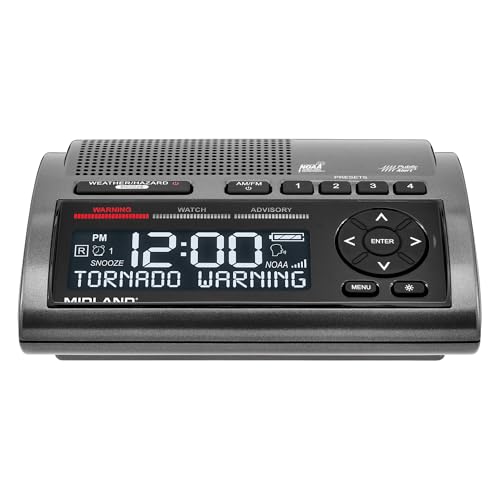
as of Nov 18, 2026, 2:52 PM ET · Details
Product prices and availability are accurate as of the date/time indicated and are subject to change. Any price and availability information displayed on Amazon.com at the time of purchase will apply to the purchase of this product.
as of Nov 18, 2026, 2:52 PM ET · Details
Product prices and availability are accurate as of the date/time indicated and are subject to change. Any price and availability information displayed on Amazon.com at the time of purchase will apply to the purchase of this product.
as of Nov 18, 2026, 2:52 PM ET · Details
Product prices and availability are accurate as of the date/time indicated and are subject to change. Any price and availability information displayed on Amazon.com at the time of purchase will apply to the purchase of this product.If you already have these, you're most of the way there. As an Amazon Associate, PreparedStates earns from qualifying purchases. We may earn a commission when you buy through our links. When two products are close, commission can decide which one we pick. A clearly better product always wins.
What Optimizely and the researcher actually said
Optimizely's status page, in a notice posted at 8:02 p.m. Eastern on November 16, says: "Earlier today, Optimizely identified a security incident in which an unauthorized party exploited a vulnerability in Experimentation and used it to add malicious JavaScript to some customer projects." It adds: "We've fixed the vulnerability and removed the injected code from affected projects." It says it has taken steps to secure affected user accounts. It gives no count of customers and doesn't say what the code did.
Helme's post goes further. He says the code was "a multi-purpose kit": it swapped cryptocurrency wallet addresses for the attacker's, "skimmed payment cards, stole cookies and screenshots," and on iPhones and iPads delivered tools built to break into them. He says the card skimmer was added at 13:43 UTC, which is 8:43 a.m. Eastern on Monday. Cards typed into payment boxes run by a separate provider, such as Stripe or Adyen, "were out of its reach. Cards typed into a site's own form fields were not."
Of 1,611 Optimizely snippets Report URI checked, it found the code in 188, belonging to 178 organizations, and says "the real number is likely higher." Its list includes US sites such as Zoom, CNN, Fox News, Salesforce, Equifax, Paychex, TaxAct, Peacock, American Eagle and Alaska Airlines. It says the first Optimizely injection it saw was at 04:21 UTC on November 16, which is 11:21 p.m. Eastern on Sunday, November 15. Most sites were cleaned between about 3:40 and 4:10 p.m. Eastern on Monday, and it says that as of 6:11 p.m. Eastern, "all infected Optimizely files were cleaned, and have remained clean since."
What is confirmed, and what is not
Confirmed by Optimizely: someone used a flaw in its Experimentation software to add malicious code to some customers' projects, and the company says it has fixed the flaw and removed the code.
Reported by the researcher, not confirmed by Optimizely or any government body: the count of 178 organizations, the list of names, and what the code did, including card skimming. The researcher says the list is only the sites he could find in time, so a site missing from it hasn't been shown to be clear. Report URI says it can't see how many cards were taken: Helme writes, "We cannot see how many cards or cookies reached" the attacker's server.
Not known: how the attacker got in. Helme writes: "We don't know how the attacker got write access to so many unrelated customer projects." As of 11:40 a.m. Eastern on November 17, CISA's news page listed nothing newer than November 9 and its advisories page had nothing on Optimizely. We found no statement from CISA or the FBI on this incident.
Why this one matters most for cards
The code ran in visitors' browsers, on pages people already trusted, so the risk depends on what you did on an affected site that day. Card details typed into a site's own checkout form were the target from 8:43 a.m. Eastern on Monday, Report URI says. Its post describes no theft of usernames or passwords. It does say the code sent some cookies, those "not marked HttpOnly," to the attacker when it swapped a wallet address near wallet or payment wording. Report URI tells affected sites to treat session tokens in those cookies as exposed and replace them, a step for the sites rather than their visitors.
Report URI also says some sites' own security settings blocked the code, or blocked the card, cookie and screenshot theft. The incident ran through one supplier's software, and the company says its fix is in place. That matters if you bought something on one of the listed sites on Monday, November 16.
What it means for your home
If you paid by card on a listed site on November 16, check your statement now and over the coming weeks. The FTC says: "If you spot a charge you didn't make, call to report it immediately." When your card number is used but the card isn't lost or stolen, the FTC says you aren't responsible for charges you didn't authorize, for credit and debit cards alike, if you report a debit card problem within 60 calendar days after your statement is sent.
For your logins, nothing in the reports says to change passwords because of this incident. Ready.gov's general advice is that "if you notice strange activity," change "all of your internet account passwords immediately." CISA says to "use a different strong password for each account" and to turn on multifactor authentication: "Even if an unauthorized user steals your password, they won't be able to meet the second step requirement."
Report URI advises anyone who visited an affected site on November 16 to update an iPhone or iPad to iOS 18.7.3 or later, or iOS 26.3 or later. CISA's advice for any device is to "install updates as soon as possible" and turn on automatic updates. If you sent cryptocurrency from a listed site on November 15 or 16, check that the address matches the one you meant to pay. Our cyberattack guide covers reporting fraud and freezing your credit.
- Paid by card on a listed site on November 16: check your statement and report any charge you don't recognize to your card issuer
- Debit card: report problems fast, because the FTC's protection depends on how quickly you do
- Use a different password for each account and turn on multifactor authentication where it's offered
- Update your phone, tablet and computer, and turn on automatic updates
What not to do
Don't buy anything because of this, including "credit card loss protection." The FTC warns that scammers sell it by saying "computer hackers can get into your credit card," and says "there's no need to pay for this so-called protection. Federal law already protects you from unauthorized use of your credit card."
Be wary of calls, texts or emails about the incident that ask for your card number. The FTC says: "Don't give your account number over the phone unless you made the call." Ready.gov adds: "A company will not call you and ask for control of your computer to fix it. This is a common scam." We checked last week's outages in was the Microsoft outage and FAA ground stop a cyberattack.
We will update this check if Optimizely says how many customers were affected or what the code took, if CISA or the FBI publishes anything on it, or if an affected company tells customers their card or account details were taken.
Common questions
Is there a cyberattack today?
There was an attack on November 15 and 16, Eastern time, through one company's software. Optimizely says an unauthorized party used a flaw to add malicious code to some customer projects, and that it has fixed the flaw and removed the code. As of 11:40 a.m. Eastern on November 17, we found no CISA or FBI statement about it or about any wider attack.
Which websites were affected?
Optimizely hasn't published a list. Researcher Scott Helme of Report URI found the code on the sites of 178 organizations, including Zoom, CNN, Fox News, Salesforce, Equifax, Paychex, TaxAct, Peacock, American Eagle and Alaska Airlines. He says the real number is likely higher, so a site missing from his list hasn't been shown to be clear.
Was my credit card stolen?
Report URI can't say. It says the code skimmed cards typed into a site's own payment form from 8:43 a.m. Eastern on November 16, but not cards entered in boxes run by providers such as Stripe or Adyen, and that some sites' security settings blocked the theft. It can't see how many cards were taken. If you paid on a listed site that day, check your statements and report any charge you don't recognize.
Do I need to change my passwords?
Report URI describes no password theft, though it says the code took some cookies. Ready.gov says to change your passwords immediately if you notice strange activity. CISA says to use a different strong password for each account and turn on multifactor authentication.
Will I have to pay for fraudulent charges?
The FTC says that when your card number is used but the card isn't lost or stolen, you aren't responsible for charges you didn't authorize. For debit cards, that applies if you report it within 60 calendar days after your statement is sent. Report a charge you don't recognize as soon as you see it.
Sources (9)
- Optimizely: status page, Web Experimentation Security Incident (Nov 16, 2026)
- Report URI (Scott Helme): World's Largest Brands Infected With Malware Via Optimizely (Nov 16, 2026), the report checked
- CISA: News
- CISA: Cybersecurity advisories
- CISA: Use strong passwords
- CISA: Turn on MFA
- CISA: Update software
- FTC: Lost or stolen credit, ATM, and debit cards
- Ready.gov: Cybersecurity
Get one calm email when it matters
Seasonal checklists and gear price drops. No spam, unsubscribe any time.
Keep reading
 What to do in a cyberattack: a household guide based on CISA, FTC and FBI adviceWhat to do if you are hit by a cyberattack at home: CISA's four basic steps, what Ready.gov says to do during …
 Was the Microsoft outage and FAA ground stop a cyberattack? What officials have saidDHS says it has seen zero evidence of a cyberattack. The FAA blames a communications failure. Microsoft's outa…
 Did a cyberattack break freezers at US military bases? What is confirmed, and your freezerInvestigators suspect hacking behind August freezer failures at base commissaries. Nothing is confirmed; no re…When the card readers are down: bank outages, dead ATMs and how much cash to keep at homeCard readers and ATMs need power and signal. Ready.gov says keep a small amount of cash in small bills at home…